


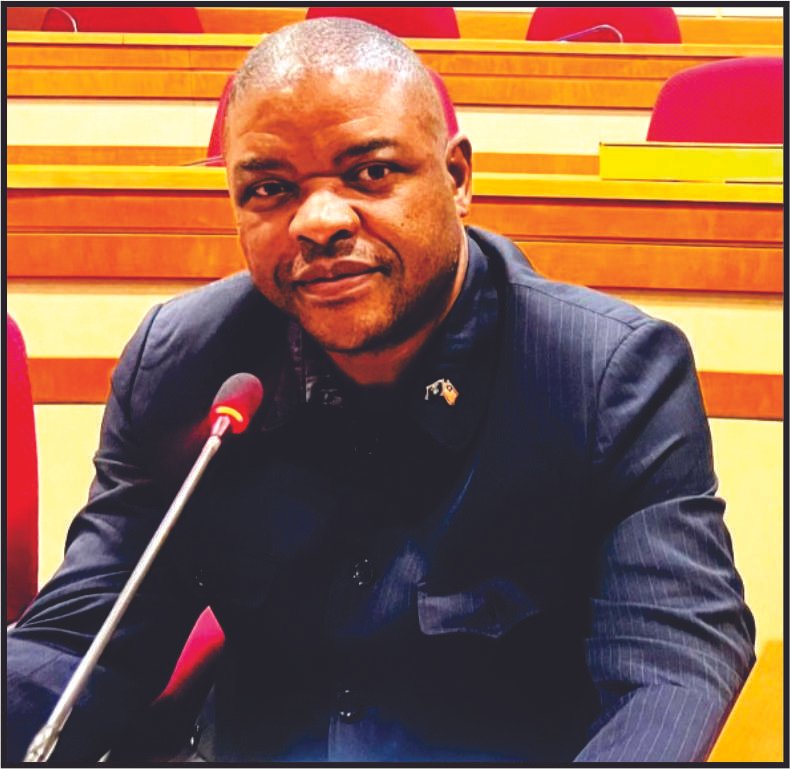
A 63-page report from a research work conducted by Prof. Dr. Thomas Kaydor, a former National Consultant of UNICEF and current Consulate General of Liberian Consulate in New York, has gained traction from Street Children International. Street Children has committed to enroll 50,000 into child-care and school.
The qualitative aspect of this mixed-methods study sampled 403 participants (193 children living in street situations and 210 parents/guardians) from Liberia’s 15 counties; 14 representatives from the Child Protection Network (CPN); representatives from two government ministries, two UN agencies, and three NGO partners.
The quantitative component sampled 159 out of 225 respondents (15 from each of the 15 counties), constituting a 70.6% response rate. The sampling technique used was purposive.
Focus Group Discussions (FGDs) and Key Informant Interviews (KIIs) were used to collect qualitative data, while Kobo Toolbox software was used to collect quantitative data.
Empowerment of Parents
Address extreme poverty among parents, which disempowers them from providing basic needs for their children and is identified as the major cause of children living in street situations in Liberia.
Empower poor and vulnerable parents through access to farming tools, funding collateral, and the revitalization of the Cooperative Development Agency to organize vulnerable groups into effective cooperatives for economic empowerment programs.
Child Education
Enforce the free and compulsory primary education policy by increasing the education budget, constructing primary schools where they do not exist, and deploying more trained teachers.
Provide school feeding programs in all public schools, as this has proven effective in enrolling and retaining children in school, particularly where families are poor and food insecure.
Improve the quality of education in rural areas by providing trained and professional teachers so children can remain with their families while attending school. This may help reduce rural-to-urban migration.
Declare quality primary education a national emergency to enable partners to mobilize resources to complement government efforts, supporting Liberia’s attainment of Sustainable Development Goal 4 (SDG 4).
Transform public high schools in the counties into multi-lateral institutions where students gain both academic education and vocational skills, ensuring graduates are marketable and equipped for the job market to help rebuild Liberia.
Conclusion and Findings
This mixed-methods study on the factors leading children to live in street situations in Liberia was conducted over two months (August–September 2022) across all 15 counties. The total sample size was 562 participants (103 boys, 90 girls, 69 adult males, 141 adult females, and 159 survey respondents).
The study found that children living in street situations are extremely vulnerable and largely unprotected. Most children reportedly “go hungry all day without food, lack adequate clothing, cannot access medical treatment, and are detained in the same prison cells as adults.” Many children also lack birth certificates.
In some instances, lactating mothers are imprisoned with their babies without consideration for the babies’ protection. Reports were also made of the disappearance and killing of children in some counties, constituting serious violations of children’s rights.
Quantitative data corroborated qualitative findings, confirming the urgent need for rehabilitation, education support for children, and economic empowerment for parents to ensure child wellbeing in Liberia.
Comment #21 highlights that “children live in street situations due to inequalities based on economic status, race, and gender. These challenges are exacerbated by material poverty, inadequate social protection, poorly targeted investment, corruption, and fiscal (tax and expenditure) policies that limit opportunities for poorer populations to escape poverty.”
The Committee on the Rights of the Child (CRC) therefore calls on state parties to “adopt policies based on a child rights approach that ensures respect for the dignity, life, survival, wellbeing, health, development, participation, and non-discrimination of the child as a rights holder.”
Recommendations
Policy and Legal Issues
Strengthen drug laws and enhance the capacity of the Drug Enforcement Agency (DEA) through improved logistics and resourcing. While most participants preferred the death penalty (capital punishment), where international obligations prevent this, a non-bailable narcotics law is strongly desired to protect national interests. Civil liability should also be imposed on individuals who sell drugs to children.
Harmonize statutory and customary laws regarding the age of consent, as statutory law sets it at 18 while customary law recognizes 16. This legal conflict is exploited in some counties to justify child marriage.
Ensure county administrations effectively coordinate sector ministries and partners to deliver child-focused services at county, district, and community levels.
License traditional medical practitioners/herbalists to operate within medical facilities as a complementary form of treatment, as many study participants reported greater trust in traditional medicine than in conventional medical services
Activate and fund the Child Wellbeing Council established by law under the national budget to strengthen child protection nationwide.
Organize Child Welfare Committees in all counties and districts to serve as alternative peer-support structures for children.
Remove persons with disabilities from street situations where they are used to beg with children, and prevent the involvement of disabled persons in drug peddling, as reported by participants.
Provide policy clarity on gay and lesbian rights, as uncertainty reportedly leads some parents to expel children from their homes. Liberia’s domestic relations law recognizes marriage only between a male and a female.
Empower traditional leaders who operate “bush schools,” in line with the moratorium on traditional schools, by providing alternative livelihood opportunities.
Address the violent and unacceptable conduct of motorcyclists nationwide.
Conduct a national study on prostitution and transactional sex involving teenage boys and girls.