

The Multisectoral Committee on Drugs and Substance Abuse has officially unveiled Liberia’s National Anti-Drug Action Plan (NADAP) 2025–2030, a comprehensive five-year strategy aimed at addressing the growing crisis of drug use and substance abuse across the country.
The plan was formally launched in Monrovia, marking a significant milestone in Liberia’s efforts to confront a problem that authorities say poses a serious threat to public health, national security, and sustainable development.
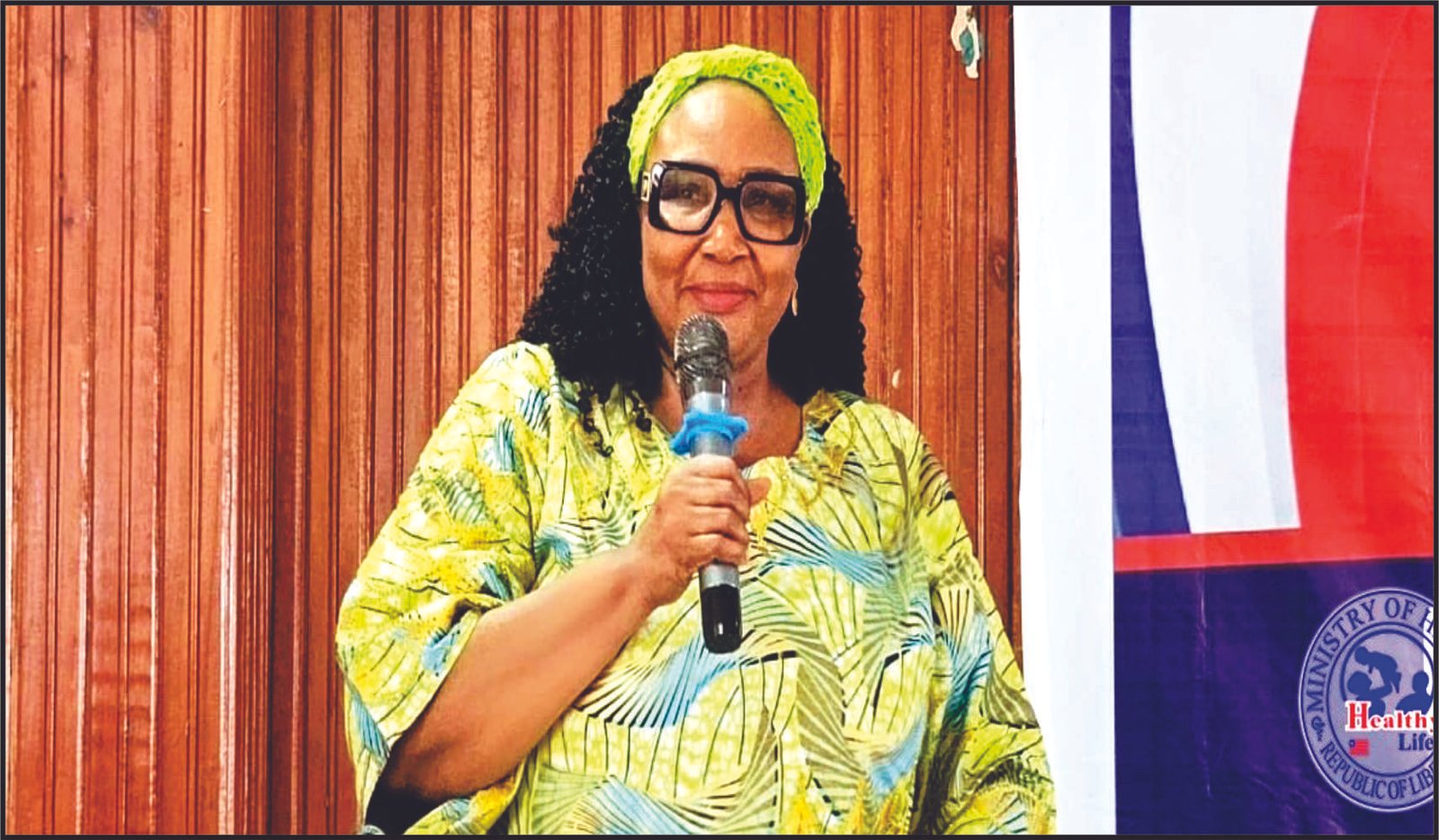
Delivering the official statement at the ceremony, Minister of Health and Chair of the Multisectoral Steering Committee on Drugs and Substance Abuse, Dr. Louise M. Kpoto, described the NADAP as a unified and coordinated national response to an escalating challenge.
“I am pleased to address you today on the occasion of the official launch of Liberia’s National Anti-Drug Action Plan (2025–2030), a landmark policy instrument developed in response to the growing threat that drugs and substance abuse pose to our public health, social stability, and national development,” Dr. Kpoto said.
She warned that the effects of drug and substance abuse are being felt most severely among young people, with far-reaching consequences for families and communities.
According to Dr. Kpoto, the crisis is contributing to rising crime and violence, school dropout, unemployment, and an increasing burden of mental health disorders.
“These realities demand a response that is coordinated, sustained, and firmly grounded in public health, human rights, and social development principles,” she emphasized.
The National Anti-Drug Action Plan outlines strategic interventions focused on prevention, treatment and rehabilitation, law enforcement, research, and community engagement. It also promotes collaboration among government ministries, security institutions, health professionals, educators, civil society organizations, and international partners to ensure a holistic approach.
Dr. Kpoto further announced that the NADAP has received the full endorsement of President Joseph Nyuma Boakai Sr., signaling strong political will and commitment at the highest level of government to tackle the drug crisis.
The unveiling of the five-year action plan reflects Liberia’s recognition that drug and substance abuse is not only a law enforcement issue but a complex public health and social challenge requiring sustained national action.
Stakeholders at the launch expressed hope that effective implementation of the plan will help protect young people, strengthen communities, and secure a healthier future for the country.