


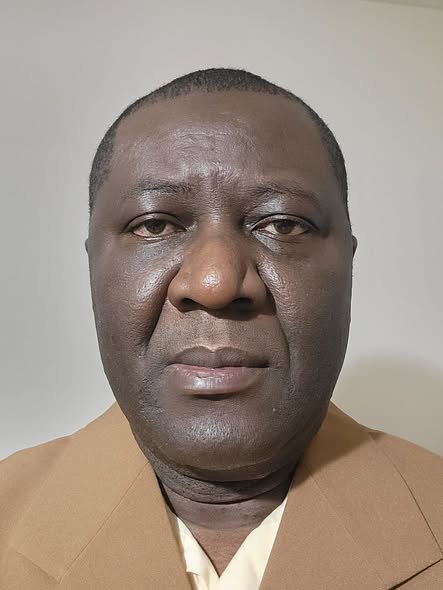
Liberian-American activist Norris Johnson has issued a strong critique of the administration of former President George Manneh Weah, arguing that many of the promises made under the former leader’s Pro-Poor Agenda were not fully realized during his six years in office.
In a statement titled “Unfinished Promises: The Failure of Weah’s Project Leadership,” Johnson said the Weah administration raised high expectations during the 2017 campaign and early years in power, pledging improvements in infrastructure, healthcare, education, housing, electricity, food security, and poverty reduction. However, he contended that the outcomes fell short of those commitments.
According to Johnson, numerous development projects were announced with publicity but were never completed or effectively sustained. He cited road construction as an example, noting that while projects were promised across several counties, many remain unfinished, poorly maintained, or never commenced. He also pointed to the lack of consistent electricity supply in many communities despite pledges to expand national power access.
Johnson further criticized the state of the healthcare system, stating that announced upgrades to major facilities such as John F. Kennedy Medical Center and Redemption Hospital did not translate into lasting improvements. He described the sector as underfunded and overstretched, with limited capacity to meet national healthcare needs.
On education, Johnson acknowledged initiatives such as free public university tuition and payment of WAEC examination fees, but argued that poor implementation undermined their impact. He cited overcrowded classrooms, underpaid teachers, and limited improvements in learning outcomes as continuing challenges.
Housing, community development, agriculture, and coastal protection were also highlighted as areas where Johnson believes progress was minimal. He referenced the USD 100 million Accelerated Community Development Program and housing initiatives, saying they failed to gain momentum, while coastal erosion and food insecurity continue to affect vulnerable communities.
Johnson described these shortcomings as a leadership failure rather than isolated policy missteps, arguing that effective governance requires planning, financing, monitoring, and accountability. He questioned whether the former administration had a structured development strategy capable of delivering sustainable results.
Looking ahead, Johnson turned his attention to the current administration of President Joseph Nyuma Boakai, urging the new government to move beyond political blame and focus on measurable outcomes. He said the Boakai administration, now approaching its third year, should be judged by clear standards of delivery and accountability.
“Liberia deserves better,” Johnson said, calling on leaders to prioritize completed projects and tangible improvements in citizens’ lives rather than announcements and slogans.
He meanwhile urged Liberians to remember past records as political parties prepare for future elections, emphasizing that leadership should ultimately be measured by what is finished and delivered to the people.