

Bong County, Liberia — The Liberia Medical and Dental Council (LMDC) has launched a new digital platform aimed at improving access to licensing and registration services for health facilities and medical practitioners, particularly in hard-to-reach parts of the country.
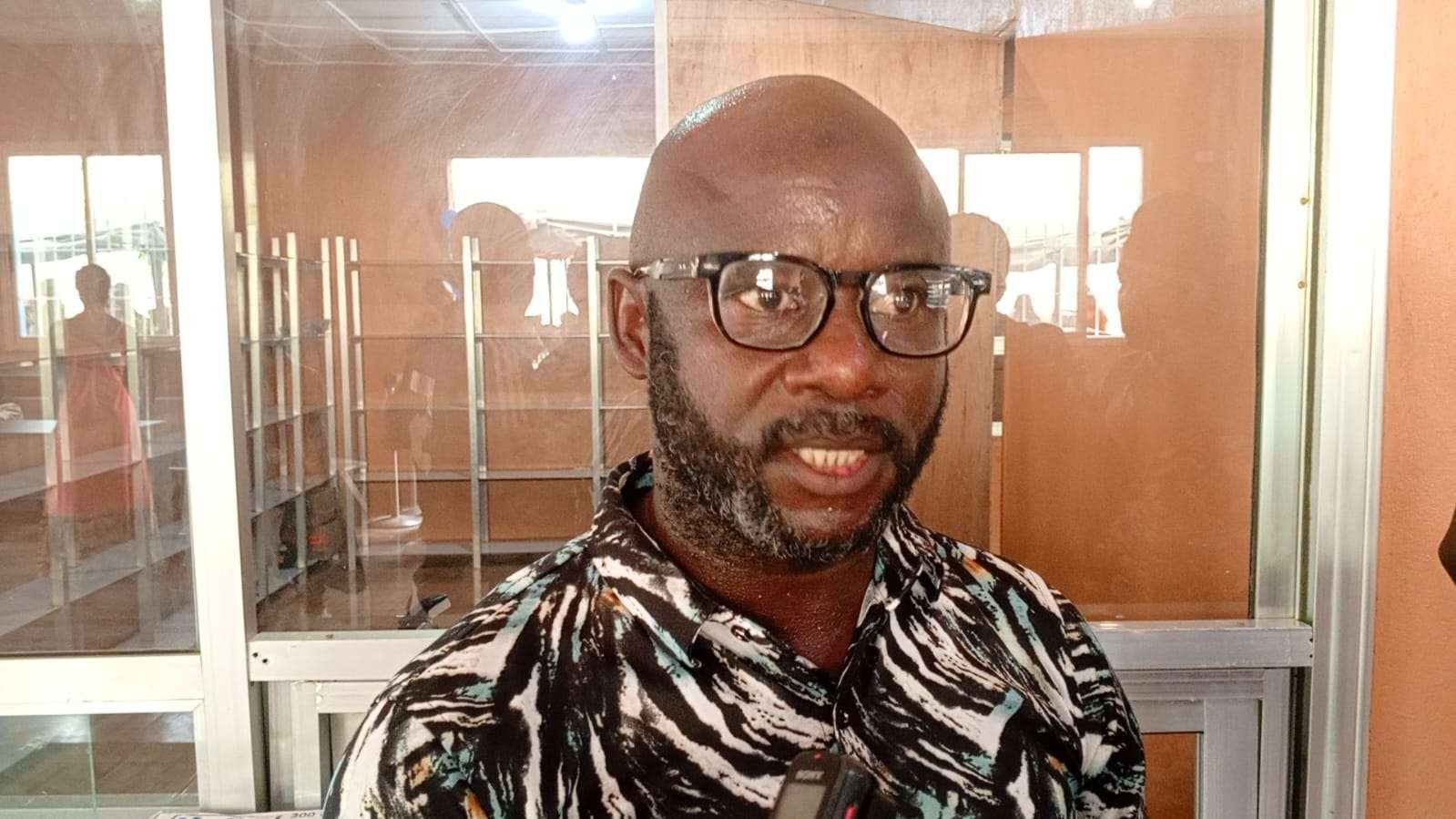
Making the disclosure to reporters in Gbarnga, the Regional Coordinator of the LMDC for Bong, Lofa, and Nimba counties, Alex C. Duyah said the platform is intended to reduce the challenges health workers face in traveling long distances to access council services.
“You know how difficult it is,” the coordinator said. “This platform is intended to ensure that even if you have to travel just an hour to get internet access, you can do your registration online.”
According to Mr. Duyah, the system allows medical practitioners and health facilities to complete registration forms online, make required payments at the bank, and submit receipts electronically to the council. Once the process is completed, licenses and other approved documents will be issued through the same digital medium.
Under the new system, he said, applicants can fill out forms online, pay their fees, submit proof of payment, and receive feedback without physically visiting LMDC offices, a process expected to significantly ease the burden on health workers in rural areas.
Responding to questions about staff readiness, the regional coordinator assured that LMDC personnel are fully prepared to manage the new digital platform. “We are adequately prepared. Our staff have been trained, and we have adequate trained personnel to handle the system,” the coordinator said.
Before the introduction of the digital platform, LMDC operations were conducted manually. Health workers, including medical doctors and health facilities, were required to travel—often from remote and southeastern parts of the country—to LMDC offices in Bong County or Monrovia to process licenses.
The coordinator explained that the council is legally responsible for licensing all medical doctors practicing in Liberia and ensuring that nurses working in health facilities hold valid and current licenses issued by the appropriate authorities.
“In the past, people had to leave the rural areas because of poor road conditions and the absence of LMDC offices in those regions,” the coordinator noted. “They traveled long distances just to obtain licenses or complete documentation.”
The launch of the digital platform is part of a broader reform initiative by the current LMDC leadership, headed by Board Chairperson Dr. Ayun Cassell, and Registrar General Dr. Augustus G. Quiah. The leadership, according to the coordinator, seeks to reduce burdens on health workers while strengthening health regulation and law enforcement.
“When you are regulating, you are also enforcing the law,” the coordinator said. “You must also provide services that ease the people’s burden.”
The LMDC says the digital platform is now active and will continue to be improved as part of efforts to strengthen healthcare regulation nationwide.