

Liberia’s ambitious US$8.4 billion ARREST Agenda has ignited a sharp policy debate after the International Monetary Fund (IMF) described the plan as “unrealistic” and potentially destabilizing.
But Liberian economist and senior public finance expert Othello S. Tarbah says the Fund’s assessment reflects excessive caution that risks locking the country into permanent underdevelopment.
In a forceful counter-argument, Tarbah contends that the IMF’s warning against large-scale investment, non-concessional borrowing, and external financing underestimates Liberia’s development needs and disregards the country’s democratic mandate for transformation.
“The IMF is conflating ambition with impracticality. Liberia’s challenges are enormous. Calling a bold response ‘unrealistic’ ignores both the urgency of our needs and the sovereign right of Liberians to choose a different development path,” Tarbah said.
Ambition Meets Resistance
The ARREST Agenda, the flagship development framework of the Unity Party-led government, prioritizes infrastructure, education, healthcare, and economic transformation.
The IMF, however, has urged authorities to scale down the plan, citing declining donor support, reduced U.S. aid, and risks to debt sustainability.
Tarbah argues that such advice reflects an outdated development mindset.
“If ambition is treated as a threat, then underdevelopment becomes policy,” he said noting that Liberia cannot build 21st-century infrastructure with 20th-century caution.
External Financing as Strategy, Not Weakness
While the IMF views Liberia’s reliance on external financing as vulnerability, Tarbah sees it as a strategic tool.
He points to growing global trends in impact investment, public-private partnerships, and blended finance, noting that countries such as Rwanda and Ghana have successfully mobilized billions using these instruments.
“External financing is not a flaw in the ARREST Agenda. It is a lever-one that allows Liberia to accelerate growth, crowd in private capital, and reduce long-term dependence on aid,” Tarbah said.
Domestic Effort Already Significant
The IMF has also urged Liberia to mobilize more domestic resources. But Tarbah notes that the government is already committing 30 percent of the ARREST Agenda-about US$2.52 billion-from domestic revenue, a substantial burden for a low-income country.
“Pushing for substantially more domestic financing risks overtaxing citizens and suffocating the private sector, he warned stating that fiscal effort should be acknowledged, not dismissed.
Borrowing as a Development Tool
Rejecting the IMF’s caution against non-concessional borrowing, Tarbah argues that debt, when invested in productive sectors, can strengthen rather than weaken economic stability.
“Borrowing for roads, energy, and human capital is not destabilizing-it is developmental,” he said.
Continuing, he noted: “Liberia’s debt levels remain manageable, and productive investment expands the very revenue base needed for sustainability.”
Sovereignty and the Cost of Conservatism
Tarbah warns that scaling down the ARREST Agenda could entrench dependency and slow progress, undermining the Unity Party’s electoral mandate.
“Reprioritization should mean innovation, not retreat. Liberia should be strengthening financing mechanisms, not shrinking its vision to fit external conservatism,” he said.
A Call for Balance
The IMF itself has acknowledged that the ARREST Agenda is “well-conceived and appropriately tailored” to Liberia’s needs.
For Tarbah, the contradiction is clear. “If the strategy is sound, then the answer is not to abandon it. The answer is to finance it smarter, implement it better, and trust Liberians to manage their own development,” he added.
As the debate continues, the ARREST Agenda has become more than a policy document-it is now a test of how far Liberia can push for transformative growth in a global system still wary of ambition from fragile states.
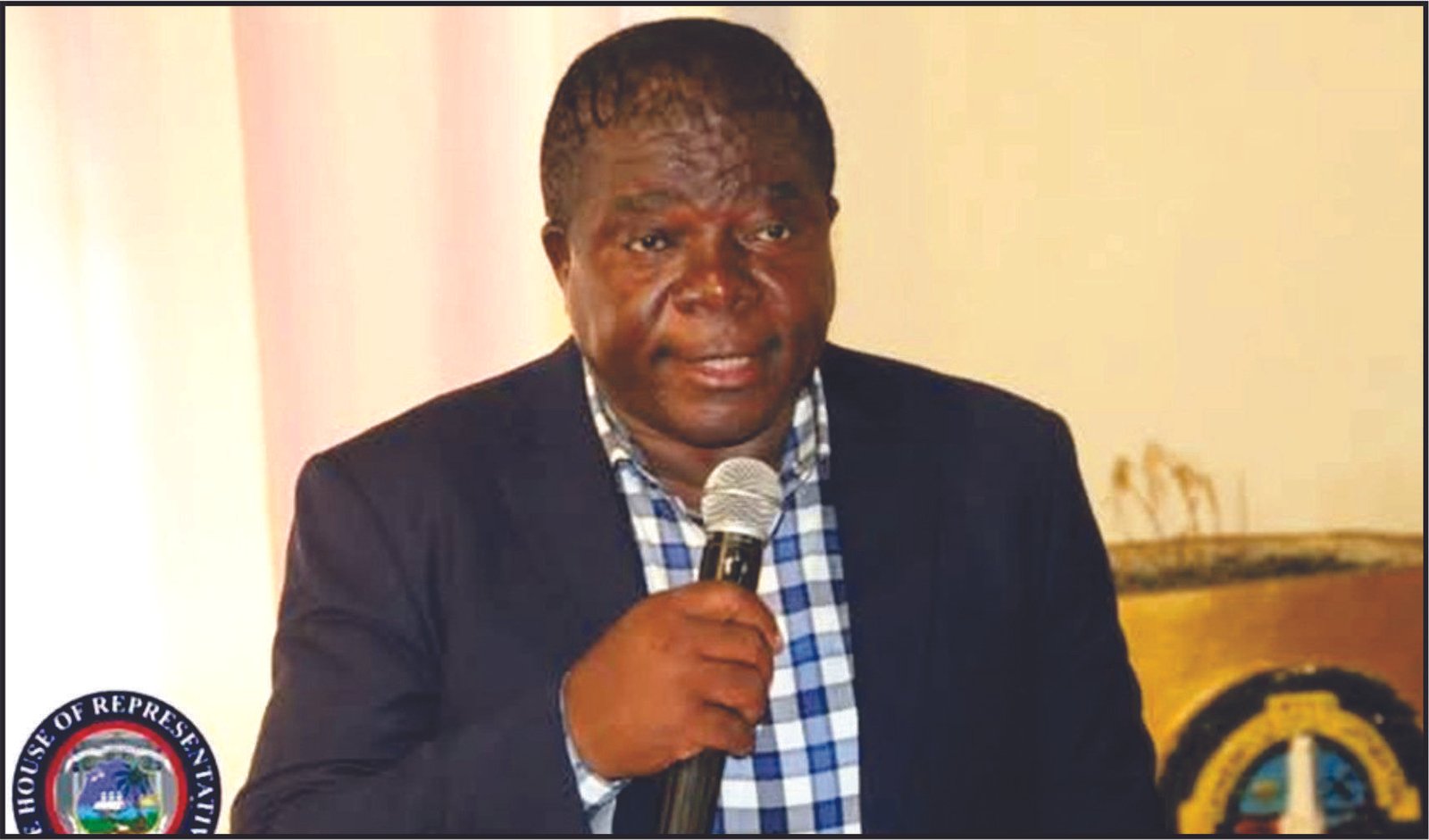
Othello S. Tarbah is Director-General of the Legislative Budget Office and an adjunct instructor of Economics at the University of Liberia.