


By: D. Abraham Cooper Sr.
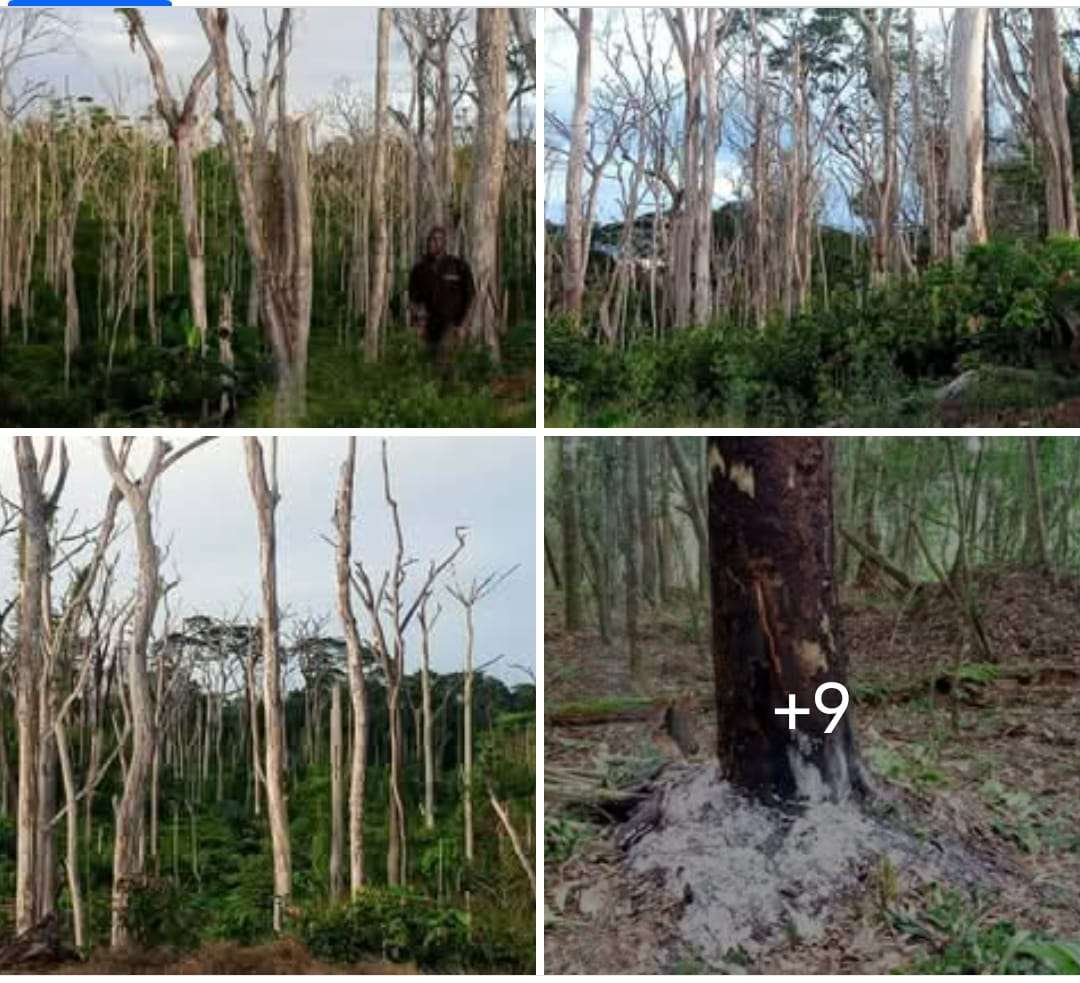
Grand Gedeh County’s once-rich forest landscape is rapidly vanishing, raising alarm among environmental authorities and conservationists.
Data from the Liberia Environmental Protection Agency (EPA) indicate that nearly 10,000 hectares of forest are cleared each year, signaling a growing environmental crisis in the region.
The sharp increase in deforestation is largely linked to the influx of cocoa farmers from Burkina Faso, who are attracted by the county’s fertile soil and favorable climate.
In their search for farmland, many have reportedly moved deeper into protected and ecologically sensitive areas, converting large sections of forest into cocoa plantations.
Environmental experts warn that the impact extends far beyond the loss of trees.
They identify four major consequences of the ongoing deforestation:
Loss of Biodiversity: The destruction of natural habitats is placing indigenous plant and animal species at risk of extinction.
Soil Degradation: The removal of forest cover has accelerated soil erosion, reduced soil fertility, and increased greenhouse gas emissions.
Climate Disruption: As forests that once served as carbon sinks are destroyed, local weather patterns are becoming increasingly unstable.
Community Displacement: Indigenous communities that depend on forest resources for survival and cultural identity are being pushed off their ancestral lands.
Human and Economic Pressures
While cocoa remains a key cash crop contributing to Liberia’s economy, experts caution that the current rate of land clearing is unsustainable.
Many Burkinabe farmers interviewed say their actions are driven by poverty and the need to secure livelihoods.
However, EPA officials point to a troubling lack of awareness about the long-term environmental consequences of slash-and-burn farming practices.
Urgent Calls for Intervention
In response to the growing crisis, local leaders, environmental advocates, and conservation groups are urging the government to take immediate action.
They are calling for stronger land-use regulations, enforcement of environmental laws, and sustainable agricultural practices to protect what remains of Grand Gedeh’s natural heritage.
Without swift intervention, experts warn that the county risks irreversible environmental damage with lasting consequences for both people and ecosystems.