


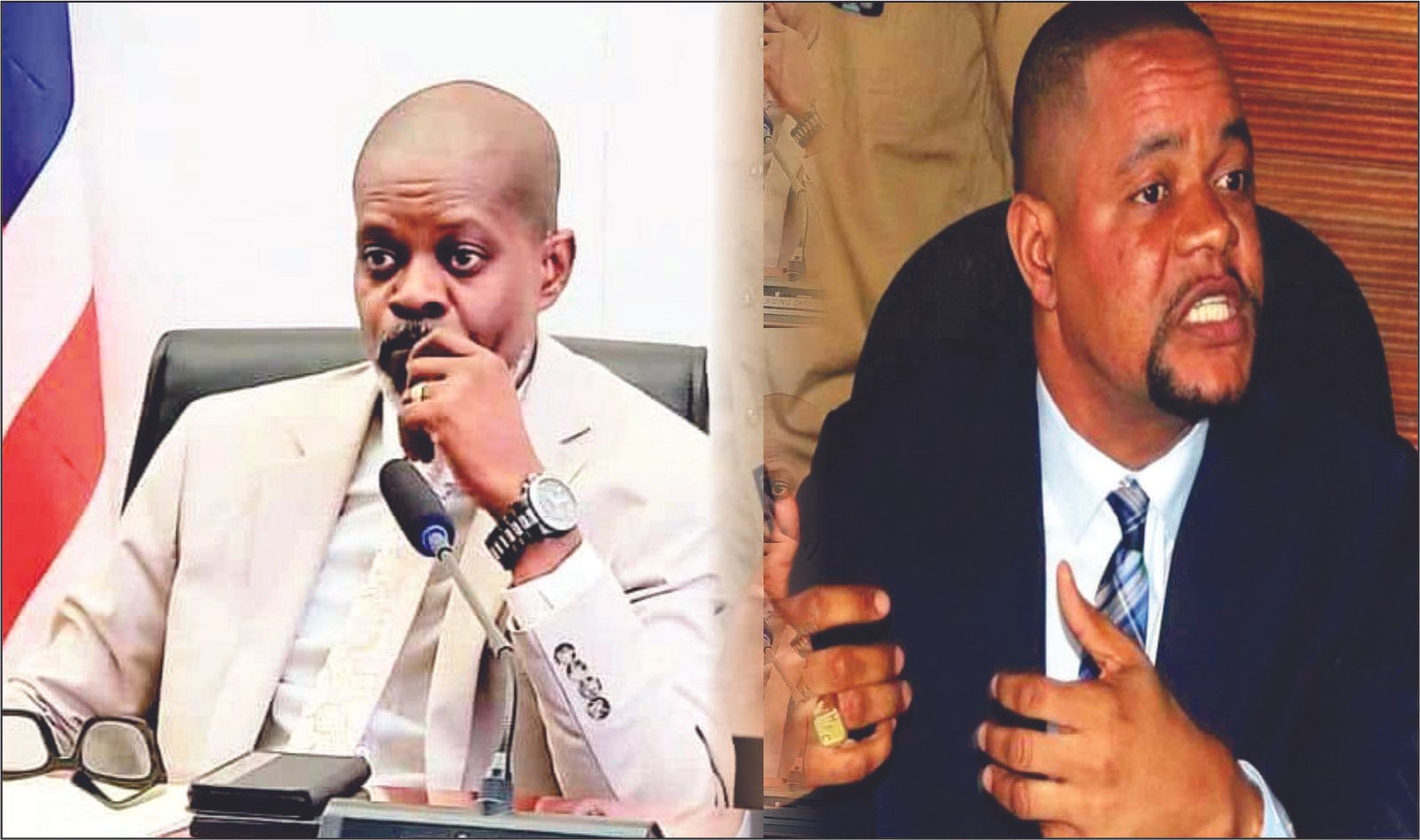
The public exchange between popular political commentator Henry P. Costa and Montserrado County Senator Abraham Darius Dillon has intensified, following sharp remarks by the lawmaker dismissing allegations linking him to “shady dealings.”
Senator Dillon, responding to recent comments made by Costa, described the broadcaster’s accusations as reckless and immature, accusing him of making unfounded claims against numerous public figures over the years. “Costa has accused everybody, including killing Boakai, and Boakai is still living,” Dillon said. “Costa acts like a child. He can fall and get up,” the senator added, in a pointed rebuttal.
Costa had earlier alleged that Senator Dillon, along with Senate Pro-Tempore Nyonblee Karnga-Lawrence, only declared support for President Joseph Nyuma Boakai late into the 2023 election cycle and questioned the clarity and sincerity of Dillon’s political alignment. Costa further claimed that Dillon, whom he said rose unexpectedly to political prominence, is now “involved in all kinds of shady deals,” though no specific evidence was publicly presented.
Dillon’s response marks the most direct confrontation yet in what is becoming a high-profile feud between the outspoken senator and the controversial political commentator. Known for his strong reformist posture and frequent criticism of corruption, Dillon has often portrayed himself as an advocate for accountability and good governance, making Costa’s allegations particularly contentious among supporters and critics alike.
The exchange has sparked renewed debate across radio talk shows, social media platforms, and political forums, with opinions sharply divided. Some citizens argue that Costa plays an important role in holding leaders accountable through public commentary, while others believe his approach is inflammatory and undermines constructive political discourse. Conversely, Dillon’s supporters see his response as a firm defense against what they describe as baseless attacks, while critics say public officials should address allegations with facts rather than personal rebukes.
As of press time, Henry Costa had not issued a direct response to Dillon’s latest remarks. Political analysts note that the ongoing feud reflects broader tensions within Liberia’s political space, where questions of credibility, transparency, and political loyalty continue to dominate national conversation.
The development adds another layer to Liberia’s evolving political environment, as public trust and accountability remain central issues in the country’s democratic discourse.