

By Archie Boan
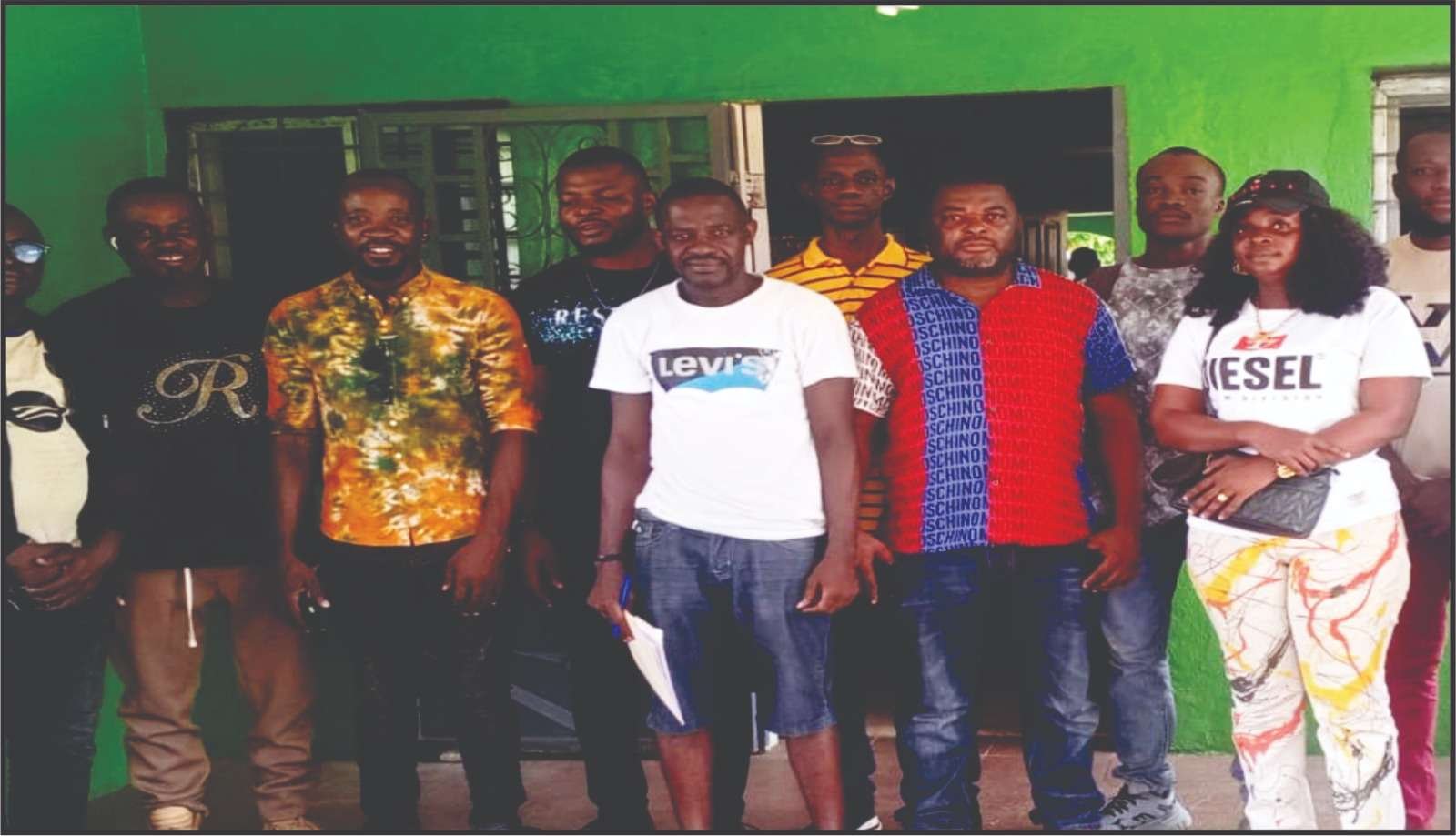
The Liberia Forest Media Watch (LFMW) over the weekend held its Second Media Forum, highlighting achievements and persistent challenges in forest governance under the EU Forest Law Enforcement, Governance and Trade Voluntary Partnership Agreement (EU FLEGT VPA) Programme, while reaffirming the growing role of independent media in promoting accountability in Liberia’s forestry sector.
The forum, presented by LFMW Team Leader Paul M. Kanneh, reviewed progress recorded during the fourth, fifth, and sixth quarters of the project titled “Support to the Liberia Forest Media Watch and Forest Hour Radio Show.”
The initiative is funded by the European Union through the French Development Agency (AFD).
LFMW operates through four core program areas: the Forest Hour Radio Show, Investigative Journalism, Capacity Building, and Monitoring and Advocacy.
These activities align with the objectives of the EU FLEGT VPA Programme (2021–2025), which seeks to combat illegal logging and strengthen forest governance in Liberia and seven other partner countries.
According to LFMW, 93 of 96 live editions of Forest Hour and 372 of 384 radio relays have been produced since May 2024.
The broadcasts have amplified community concerns and contributed to tangible outcomes, including arrests related to illegal cocoa farming, the deployment of intersectoral government taskforces to forest border areas, and the disbursement of more than US$685,000 in land rental fees to forest communities.
The organization also reported producing and publishing 73 investigative stories that exposed illegal mining, forest encroachment, and human rights abuses in forest-dependent areas.
Several of these investigations prompted responses from government authorities, including arrests, the shutdown of illegal mining operations, and increased enforcement actions by the Forestry Development Authority, the Ministry of Mines and Energy, and national security agencies.
In addition, LFMW has strengthened the capacity of rural journalists—particularly women reporters—resulting in more rigorous, evidence-based reporting from forest communities.
Some of the investigations have gained international exposure through republication by regional and global media platforms.
On institutional development, LFMW disclosed the adoption of key internal governance policies and ongoing efforts to formalize collaboration with the Liberia Land Authority.
These steps are intended to enhance coordinated monitoring and advocacy on land and forest governance issues.
The forum concluded with appreciation for the European Union and the French Development Agency for their continued support, which LFMW described as vital to sustaining independent media oversight in Liberia’s forestry sector.
Participants noted that while progress has been made, sustained vigilance remains essential to protecting Liberia’s forests and safeguarding the rights of forest-dependent communities.