

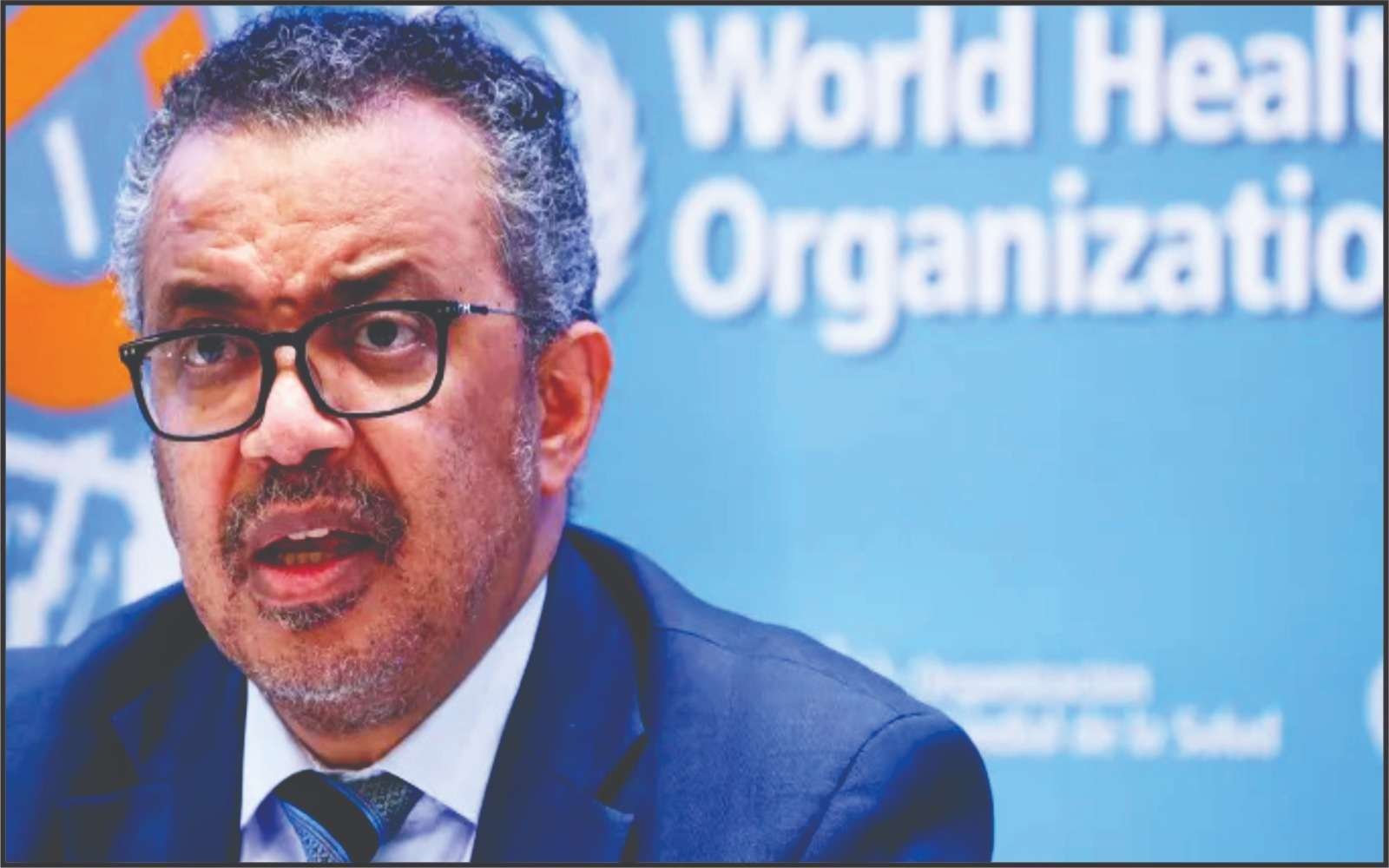
Geneva — The World Health Organization (WHO) has expressed regret over the United States’ formal notification of withdrawal from the global health body, warning that the move would make both the U.S. and the wider world less safe.
In a statement released Saturday, January 24, following the notification, WHO said the decision would be reviewed by its Executive Board at a regular meeting beginning on 2 February, with further consideration by the World Health Assembly at its annual meeting in May 2026.
The United States is a founding member of WHO and has played a key role in many of the organization’s major public health achievements, including the eradication of smallpox and efforts to combat polio, HIV, Ebola, influenza, tuberculosis, malaria, antimicrobial resistance, food safety threats and neglected tropical diseases.
WHO rejected U.S. government claims that the organization had “trashed and tarnished” the country, compromised its independence, or pursued a politicized agenda. The agency said it had always engaged with the United States in good faith, as it does with all 194 of its Member States, and with full respect for national sovereignty.
Responding to criticism of its handling of the COVID-19 pandemic, WHO defended its actions, stating that it acted quickly and transparently during an unprecedented global health crisis. The organization said it shared all available information rapidly, convened global experts, and issued guidance based on the best available evidence.
WHO emphasized that while it recommended measures such as mask use, vaccination and physical distancing, it never called for mask mandates, vaccine mandates or lockdowns. Decisions on such measures, it said, were taken by sovereign governments.
According to the statement, WHO activated its emergency incident management system on 31 December 2019, immediately after receiving reports of a cluster of pneumonia cases of unknown cause in Wuhan, China. By 11 January 2020, when China reported its first COVID-19 death, WHO said it had already alerted countries worldwide through formal channels, public statements and social media, and had published guidance to help governments protect their populations and health systems.
When WHO declared COVID-19 a Public Health Emergency of International Concern on 30 January 2020 — the highest alert level under international health law — there were fewer than 100 reported cases and no reported deaths outside China, the organization noted.
During the early stages of the pandemic, WHO Director-General Tedros Adhanom Ghebreyesus repeatedly urged countries to act quickly, warning that “the window of opportunity is closing” and describing the virus as “public enemy number one.”
WHO said it had since implemented reforms and strengthened its systems in response to multiple independent reviews of the pandemic, enhancing global preparedness and response capacities that continue to operate around the clock.
The organization also rejected assertions that it is driven by countries hostile to U.S. interests, reiterating that it remains an impartial United Nations agency governed by its Member States and committed to serving all countries without bias.
WHO highlighted continued cooperation among its remaining members, including the adoption last year of the WHO Pandemic Agreement, which aims to strengthen global protections against future pandemics. Negotiations are ongoing on a related system to improve pathogen sharing and ensure equitable access to vaccines, treatments and diagnostics.
While expressing hope that the United States may one day return to active participation, WHO said it remains committed to its core mission: achieving the highest attainable standard of health as a fundamental human right for all people.