


By G. Watson Richards
A desperate plea for help is emerging from a Liberian woman battling a life-threatening illness, as delays in treatment threaten to worsen her condition.
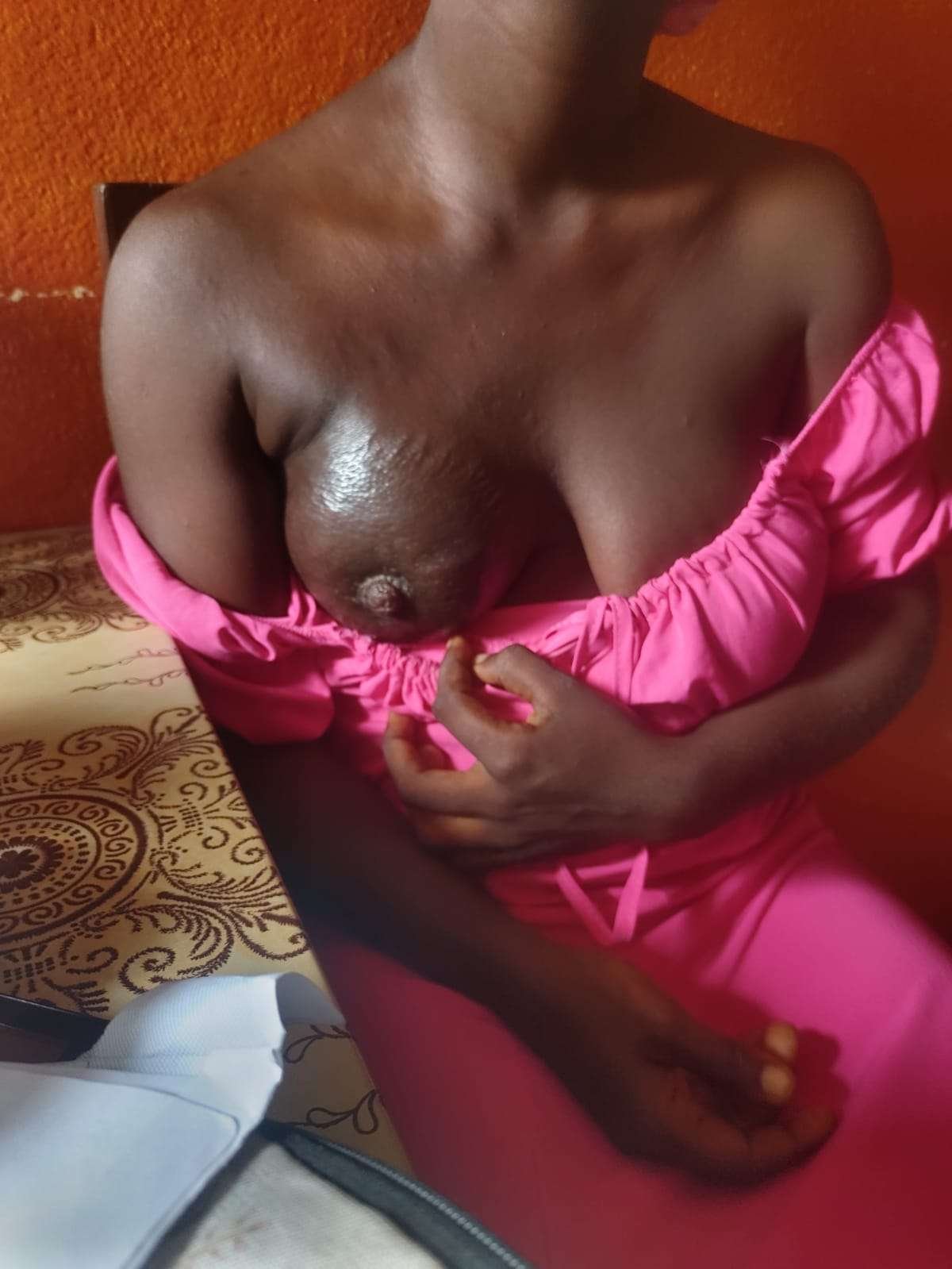
Hawa Turay, a breast cancer patient, is calling for urgent assistance after reportedly being unable to receive care despite being referred to the country’s leading referral hospital, John F. Kennedy Medical Center.
Speaking in a distressed tone, Turay said she has been waiting for treatment since her referral but has yet to receive the urgent medical attention she needs.
“I was referred to JFK for treatment, but up to now, I have not been treated,” she said. “I am calling on anyone who can help me. This is an SOS.”
Turay recounted the difficult journey she has faced in trying to access care:
“They told me to go to a place in Nimba. When I got a little money, I went to JFK and did the ultrasound and other tests. I paid $35 for the needle test and another $35 to see the doctor. After the tests, they told me to return in one month.
When I went back, I still couldn’t get help. One of the staff printed my paper and told me to see the doctor, but when I got there, I was told there were too many people. The doctor said he wouldn’t be able to see me until he finished with patients who had been waiting since the day before.
I left and went home in pain. I have been in constant pain and unable to sleep since October. I went to Redemption Hospital, where a doctor examined my breast and told me it was cancer and that I needed surgery.
After I gave birth, I became sick. Some people said the breast milk caused the problem. I was sent to another place and told to buy medicine. I bought medicine worth 30,000 Liberian dollars, but after taking it, nothing changed,” she narrated.
Breast cancer remains one of the leading causes of death among women globally, and medical experts warn that delays in diagnosis and treatment significantly reduce survival chances. In Liberia, access to specialized cancer care remains limited, placing patients like Turay in particularly vulnerable situations.
According to her account, Turay’s condition continues to deteriorate as she waits for intervention. Her appeal underscores broader challenges within the country’s healthcare system, where patients often face long waiting times, limited resources, and financial barriers.
Health advocates say cases like hers highlight the urgent need for strengthened cancer care services, including timely diagnosis, improved treatment availability, and better patient support systems.
“This is not just about one person,” a local health worker, who asked not to be named, said. “It reflects a systemic gap that continues to put lives at risk.”
Turay is now appealing to government authorities, humanitarian organizations, civil society groups, and compassionate individuals to come to her aid-whether through medical intervention, financial support, or facilitating access to treatment abroad.
Her story is a stark reminder of the human cost of healthcare delays—and a call to action for those in positions to help.
As she continues to fight for her life, her message remains simple but urgent:
“I just want to live.”