


By G. Watson Richards
A legal dispute has arisen between defense counsel and state prosecutors over the possible release of Samuel Jackson, who is currently facing several charges in connection to the death of his wife Toni Khumalo Jackson.
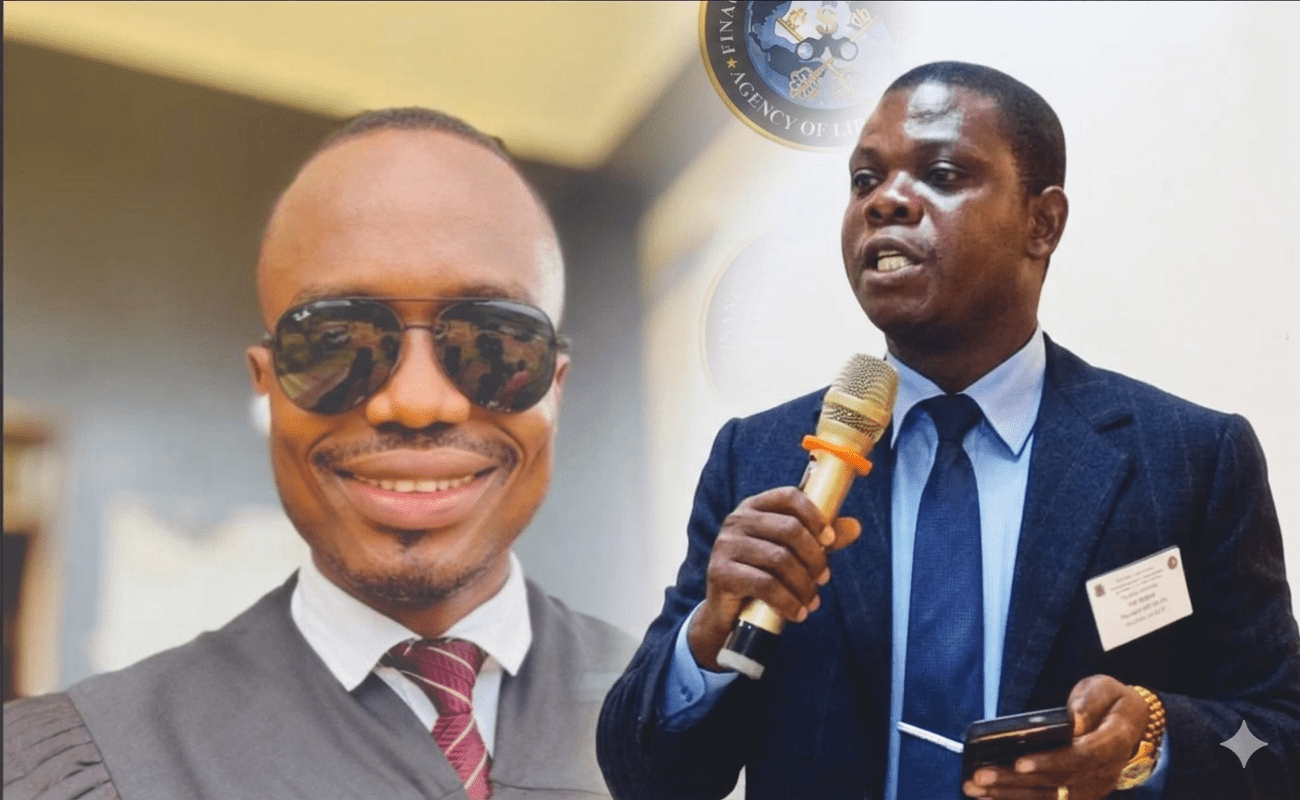
Attorney Jeremiah Samuel Dugbo, representing the defendant, has expressed confidence that his client will be released as early as tomorrow, Friday, April 3. In a statement, Dugbo emphasized that the charges brought against Jackson—manslaughter and negligent homicide—are bailable under Liberian law.
“Our client will be released tomorrow, as the offenses charged are bailable under Liberian law,” Dugbo said. He further noted that, contrary to earlier claims made by the Inspector General of Police, the Special Grand Jury indicted Jackson solely on those two counts. Dugbo also indicated that the defense intends to challenge what he described as violations of his client’s rights, stressing that “human rights are non-negotiable.”
However, the prosecution has pushed back against that assertion. Assigned City Solicitor Garpue K. Wonlue of the Ministry of Justice disagreed with the defense’s position, citing legal provisions that could prevent Jackson’s immediate release.
In a response addressed to Dugbo, Solicitor Wonlue acknowledged that the charges are technically bailable but argued that the strength of the evidence could justify denying bail.
“Although Manslaughter and Negligent Homicide are bailable offenses under Liberian law, the presumption of guilt is great in this case,” Wonlue stated. “Under Liberian law, when the presumption of guilt is great, bail may be denied, even for bailable offenses.”
He added that, given the severity of the case and the evidence presented, the court may either deny bail outright or impose a high bail amount, making Jackson’s release unlikely in the immediate term.
The matter now rests with the court, which is expected to determine whether Jackson will be granted bail and under what conditions.
The case continues to draw public attention as it raises questions about due process, the interpretation of bailable offenses, and the balance between individual rights and judicial discretion.