


By Emmanuel M. Kangar Jr.
Questions are mounting over whether Iran is positioning the Strait of Hormuz as a powerful bargaining tool amid rising global tensions, with new projections suggesting the move could generate tens of billions of dollars annually.
A report reviewed by Verity News from JPMorgan Chase & Co. indicates that Iran is considering a proposal to charge between $2 million per vessel for passage through the vital waterway. With an estimated 100 to 130 ships passing daily, the plan could yield between $70 billion and $90 billion in yearly revenue.
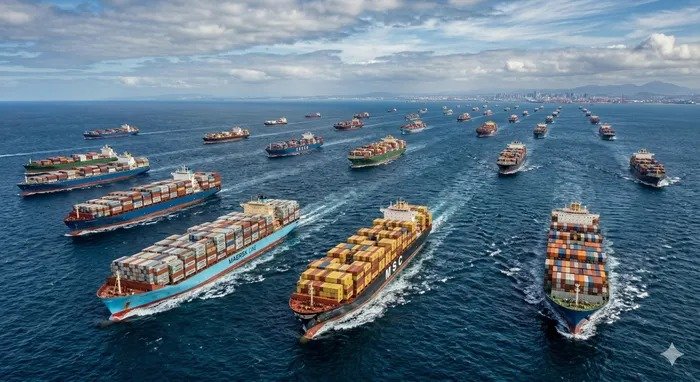
The Strait of Hormuz, a critical chokepoint for global oil shipments, has recently seen disruptions, with approximately 3,000 vessels reportedly stranded or blocked, according to Australian Broadcasting Corporation (ABC).
Should Iran implement the proposed toll, the immediate financial impact could be substantial. Allowing all currently stranded ships to pass at a fee of $2 million per vessel would generate an estimated $6 billion in short-term revenue.
Analysts suggest such proceeds, if realized, could significantly bolster Iran’s economy, potentially aiding in infrastructure rebuilding and economic recovery.
However, the move is likely to intensify geopolitical tensions and raise concerns over the security of one of the world’s most critical maritime routes.