


By International News
The United States and Iran have failed to reach an agreement after high-level negotiations in Islamabad, Pakistan, ending hours of talks without a breakthrough on a potential truce or nuclear-related deal.
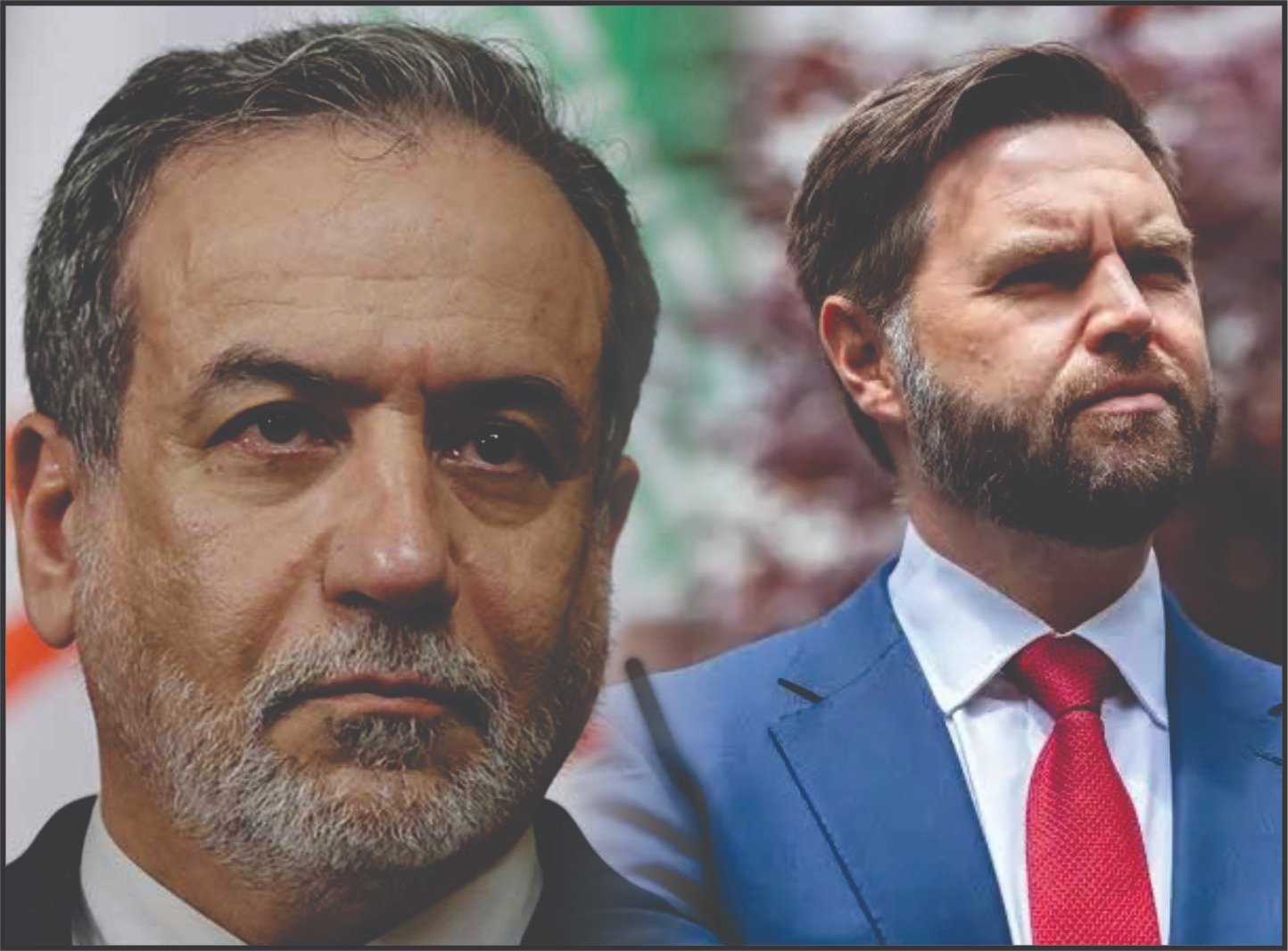
US Vice President JD Vance, who led the American delegation, said Tehran refused to accept Washington’s conditions following 21 hours of discussions.
“The bad news is that we have not reached an agreement, and I think that’s bad news for Iran much more than it’s bad news for the United States of America,” Vance told reporters in Islamabad before departing the Pakistani capital.
He added that the United States was seeking what he described as a “fundamental commitment” from Iran not to pursue nuclear weapons capabilities.
“We need to see an affirmative commitment that they will not seek a nuclear weapon and they will not seek the tools that would enable them to quickly achieve a nuclear weapon,” he said.
Iranian officials, however, said no agreement was expected at this stage, stressing that the talks were part of a broader and ongoing diplomatic process.
Tehran’s Foreign Ministry spokesperson Esmaeil Baghaei said, “Naturally, from the beginning, we should not have expected to reach an agreement in a single session.”
Iranian Parliament Speaker Mohammad Bagher Ghalibaf, who led Iran’s delegation, said the discussions included “forward-looking initiatives” but claimed the US had failed to build trust.
“The US has understood Iran’s logic and principles, and it’s time for them to decide whether they can earn our trust or not,” he said in a post on X.
According to Iranian officials, key sticking points included nuclear restrictions, sanctions relief, and wider regional security issues, including maritime tensions in the Strait of Hormuz.
The talks, held amid a fragile ceasefire environment, marked the most significant direct engagement between Washington and Tehran since the collapse of earlier nuclear diplomacy efforts.
Analysts say the failure underscores persistent mistrust between the two sides, despite continued mediation efforts by regional actors, including Pakistan and Oman.
Pakistan’s Foreign Minister Ishaq Dar urged both sides to maintain the ceasefire and continue diplomatic engagement, saying Islamabad remained committed to supporting peace efforts.
“On behalf of Pakistan, I would like to express gratitude to the two sides for appreciating Pakistan’s efforts,” he said. “We hope that the two sides continue with a positive spirit to achieve durable peace.”
The breakdown in talks comes amid ongoing regional tensions involving Iran, Israel, and US allies, with concerns that diplomatic failure could further destabilize an already volatile Middle East security landscape.
Get smarter responses, upload files and images, and more.