

The Government of Liberia has launched the first phase of the Presidential Clean Cities Initiative, which will engage 1,250 young people in sanitation work across 14 cities and one township in eight counties.
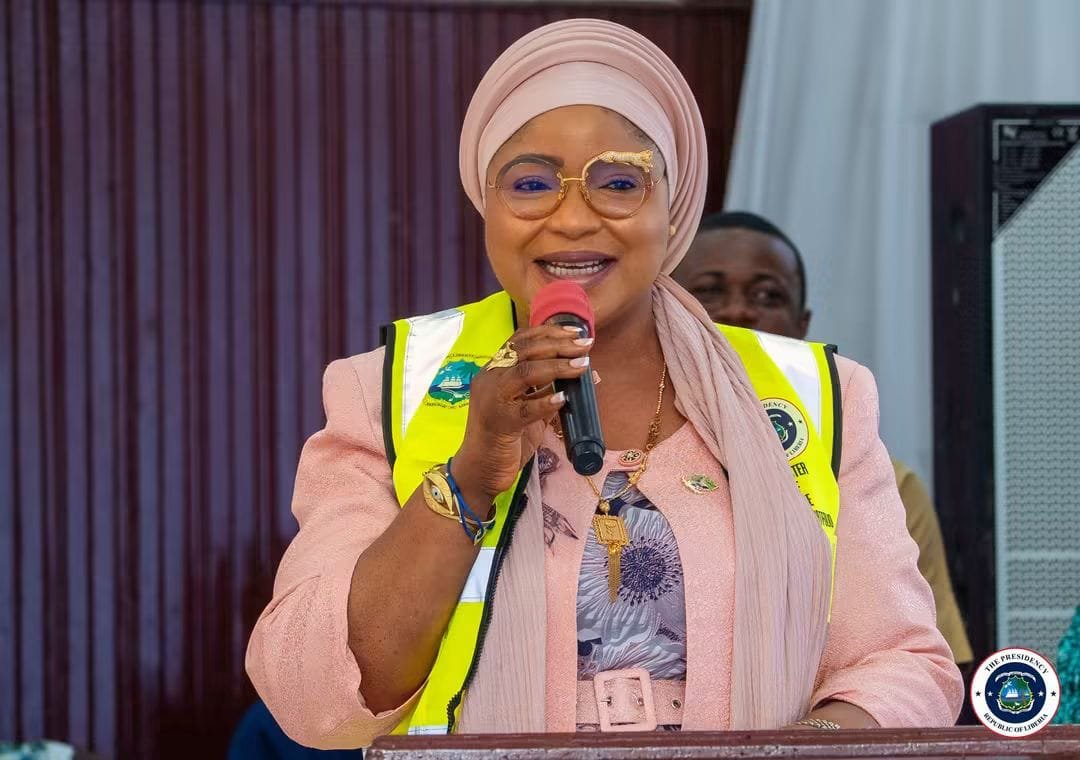
The initiative was launched Tuesday, October 20, at Monrovia City Hall by Hadja Mamaka Bility, Minister of State Without Portfolio and Acting Minister of State for Presidential Affairs, on behalf of President Joseph Nyuma Boakai Sr.
The program will also involve 30 community-based organizations expected to help mobilize residents, raise awareness about proper waste disposal and work with local authorities to keep communities clean.
Speaking at the launch, Bility said the initiative would help address sanitation problems while giving young people an opportunity to earn income through honest work.
“This occasion marks an important step toward building cleaner, healthier communities while creating structured, short-term employment opportunities for young Liberians,” she said.
Bility said the initiative was not just about cleaning streets and removing garbage but also about encouraging residents to take responsibility for their surroundings.
“The PCCI is not a mere clean-up campaign,” she said. “It is a coordinated government intervention that integrates urban sanitation, youth employment, community mobilization, public education, and accountability.”
She warned that poor waste disposal contributes to pollution, blocked drains, flooding and health problems. She said government agencies, city authorities, businesses and residents must work together to address these challenges.
“Urban sanitation is not merely about appearances. It is essential to public health, environmental protection, economic productivity, and national dignity,” Bility said.
The orientation program in Monrovia and Paynesville is expected to prepare the recruited youths for their duties before they begin field operations.
Bility urged the participants to be punctual, disciplined and respectful as they carry out their assignments. She also reminded them to use their equipment properly, follow safety rules and respect residents and business owners.
“Sanitation is essential public service, and there is dignity in serving one’s country,” she told the young people.
She called on the participating community-based organizations to help residents adopt better waste disposal habits and work with local authorities to maintain clean surroundings even after the project ends.
Government stresses accountability
Bility said the success of the initiative would depend on more than the number of youths recruited or the amount of garbage collected. She said the government must ensure that the work is properly done, participants are protected and public funds are used responsibly.
“The success of this Initiative will be measured not simply by the number of people engaged or the volume of waste collected, but also by the quality of implementation, the responsible use of public resources, the safety of participants, and the sustainability of sanitation improvements,” she said.
She urged the Project Implementation Secretariat and other partners to monitor the work closely, keep accurate records and ensure accountability throughout the program.
The minister also appealed to market associations, business owners, community leaders and residents to cooperate with sanitation teams and stop dumping garbage in places not meant for waste disposal.
“Government can mobilize workers, provide equipment, and organize sanitation services, but lasting progress requires every citizen to take responsibility for keeping their surroundings clean,” she said.
The initiative is being carried out with the involvement of the Ministry of Local Government, Ministry of Information, Ministry of Youth and Sports, Environmental Protection Agency, and the city governments of Monrovia and Paynesville, among other institutions.
Bility said the government would use lessons from the first phase to improve the program and guide similar sanitation efforts in other parts of Liberia.
She thanked the project committee, participating institutions, community organizations, local authorities and recruited youths for their involvement.
The government is now counting on the recruited workers, community organizations and residents to help make streets and public spaces cleaner and reduce the health and environmental problems caused by improper waste disposal.