

A new budget analysis by Liberian activist Martin K. N. Kollie has revealed that the 103 members of the Liberian Legislature are projected to receive a combined US$23.55 million in salaries alone over two fiscal years, covering FY2026 and FY2027, amid persistent poverty, unemployment and inadequate public services across the country.
In the fourth installment of his 10-part analysis of the Government’s proposed FY2027 National Budget, Kollie questioned the scale of legislative spending, arguing that lawmakers’ compensation and operational benefits remain disproportionately high compared to the economic realities confronting ordinary Liberians.
According to the analysis, the proposed FY2027 budget provides US$12,019,587 in salaries for the 103 lawmakers, compared to US$11,534,662 approved for FY2026.
The combined amount over the two fiscal years stands at US$23,554,249, representing an average of approximately US$228,682 per lawmaker over the 24-month period.
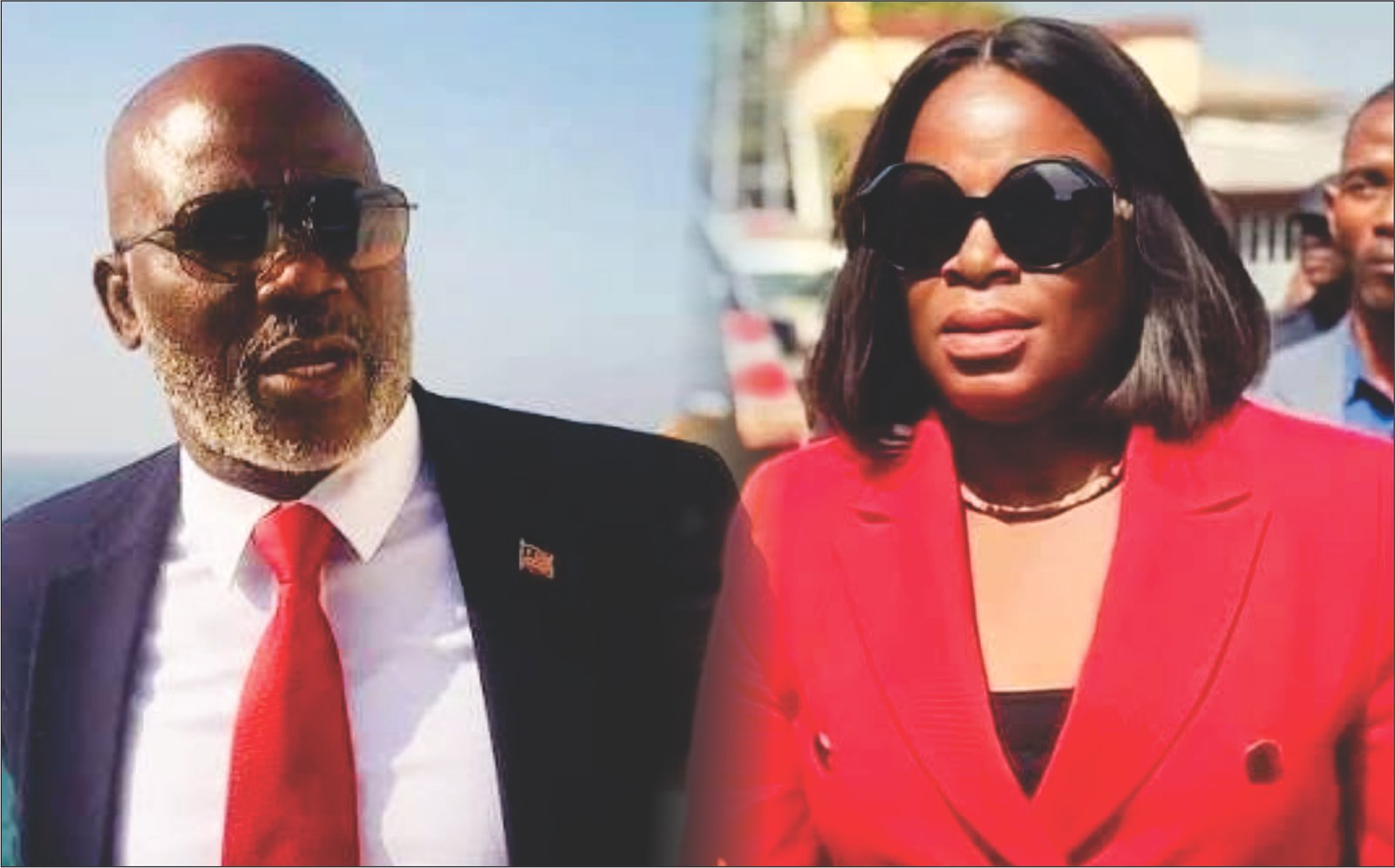
Breaking down the figures, Speaker of the House of Representatives Richard Nagbe Koon is projected to receive US$257,040 in FY2027, up from US$245,540 in FY2026, representing an increase of US$11,500.
Deputy Speaker Thomas Fallah, however, is projected to receive US$204,992, down from US$208,940 in the previous fiscal year.
The 71 other members of the House of Representatives are collectively allocated US$7.82 million in salaries for FY2027, compared to approximately US$7.5 million in FY2026.
In the Senate, Pro-Tempore Nyonblee Karnga-Lawrence is projected to maintain her annual salary allocation of US$254,250, while the 29 other senators are collectively allocated US$3.47 million, representing an increase of approximately US$154,658 from FY2026.
Kollie argued that the salary figures do not capture the full financial benefits lawmakers receive from the national budget, noting that additional compensation, allowances and other operational allocations are provided separately.
He disclosed that lawmakers are projected to receive another US$5.55 million in other compensation for FY2027, while their office staff salaries are separately budgeted at approximately US$8.6 million.
The analysis also highlighted several additional budgetary allocations associated with the Legislature, including US$2,657,156 for entertainment, US$3,835,250 for constituency visits, US$128,372 for foreign travel daily subsistence allowances and US$80,754 for foreign travel incidental allowances.
Other allocations include US$263,245 for domestic travel allowances, US$327,029 for personnel insurance, US$105,500 for incapacity, death and funeral expenses, and US$2,214,758 for legislative committees.
Kollie questioned the justification for these expenditures, particularly against the backdrop of economic hardship, unemployment and inadequate public services affecting thousands of Liberians.
Beyond lawmakers’ salaries and benefits, Kollie raised concerns about the overall expenditure of the Legislature, alleging that the institution exceeded its approved FY2026 budget within the first nine months of the fiscal year.
According to his analysis, the Legislature received an approved budget of approximately US$57 million for FY2026 but had spent US$64.3 million between January 1 and September 30, 2026, representing an alleged overspending of approximately US$7.3 million.
He cautioned that the reported expenditure could increase further following the disclosure of spending for October, November and December.
For FY2027, the Legislature is proposing another US$58.2 million, bringing its combined budgetary allocation for the two fiscal years to approximately US$122.5 million.
Kollie questioned the continued growth in legislative spending while government resources remain limited and several sectors continue to face funding challenges.
He also contrasted the Legislature’s proposed financial provisions with the approximately US$2.5 million allocated to Liberian businesses, which he argued should receive greater support to stimulate private-sector growth and employment opportunities.
In his assessment, Kollie called for a major shift in public expenditure priorities, urging the Government to move away from what he described as a consumption-based budget toward a production-driven economy capable of generating employment and expanding economic opportunities.
He specifically advocated for spending rationalization, stronger controls against waste, improved accountability in public procurement and more efficient utilization of national resources.
Kollie maintained that Liberia’s national budget should prioritize investments that directly improve citizens’ living conditions, including education, healthcare, infrastructure, electricity, agriculture, food security and support for small and medium-sized enterprises.