

PRESS RELEASE FROM THE EPA
Monrovia, Liberia — The Environmental Protection Agency (EPA) is urging Liberians to prepare for a hotter dry season as a strong El Niño continues in the Pacific Ocean. Here in Liberia, satellite observations already show signs that crops in seven counties may be getting too little water. Sinoe recorded the highest share, with signs of stress on about seven out of every ten hectares of cropland.
How did this El Niño begin?
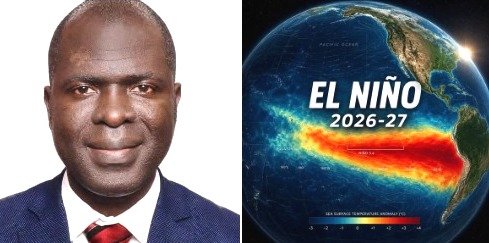
El Niño is a natural warming of part of the Pacific Ocean that occurs every few years. Usually, steady winds push warm surface water west from South America toward Asia. When those winds weaken, warm water spreads back toward South America. The clouds and rain that form over the warm water shift with it. This change in where rain falls over the ocean can affect winds and weather thousands of miles away.
This year Scientists saw the central and eastern Pacific Ocean warming rapidly in May 2026. El Niño conditions emerged in June, were firmly in place by August and strengthened into November. On 12 November, the United States Climate Prediction Center reported roughly a four-in-five chance that El Niño would remain strong or very strong during January through March 2027. Those months fall in Liberia’s dry season.
What is happening around the world?
Rain has already increased over the central and eastern Pacific, while Indonesia has seen less rain. Even within Africa, the effects may differ. Parts of East Africa, including Kenya, face a greater chance of heavy rain and flooding. In parts of southern Africa, including Zimbabwe, too little rain could leave farmers without enough moisture to plant. For Liberia, regional forecasts point to hotter-than-usual conditions, but the timing of rain and the length of dry spells will vary from place to place.
Is climate change contributing?
El Niño occurred long before people began burning large amounts of coal, oil and gas. What human-caused climate change has done is raise the temperature of the air and oceans. When El Niño releases extra heat from the Pacific Ocean into the air, it adds to that long-term warming. This can make hot periods more dangerous. Scientists are still studying how much climate change affects the strength of individual El Niño events, including this one.
What does this mean for Liberia?
From October 23rd to November 1, 2026, the EPA found signs of dryness on at least one-quarter of the cropland in Sinoe, Grand Kru, Grand Gedeh, Grand Bassa, Rivercess, River Gee and Grand Cape Mount. These satellite readings tell agriculture officers where to visit farms first. Field visits are needed to see which crops are struggling and whether farmers have lost any harvest.
A longer dry spell can lower the water in wells and creeks, make bushfires more likely and reduce the river water available to generate electricity. A heavy downpour can still cause flooding during a dry season, particularly in communities along rivers and creeks.
What can families and communities do now?
● On hot days, drink safe water regularly and rest in the shade. Where possible, do heavy farm work and other outdoor tasks during the cooler hours. Check on older relatives and neighbors who live alone.
● Before planting, listen seasonal forecast and speak with your local agriculture extension officer. The first shower of rain may be followed by another dry spell, which may affect crops.
● If a well is running low or a hand pump breaks, tell your community leaders early so there is time to arrange repairs or identify another water source.
● Listen to community radio for official weather updates and warnings from the National Disaster Management Agency. Share them with neighbors who may have missed the announcement.
The EPA’s public early-warning platform covers all 15 counties and is updated daily. Check this link for updates: https://tinyurl.com/24znys3e. The Agency has also prepared a Liberian English video with link here: https://tinyurl.com/23xxg73u and a radio script about El Niño and the link is here: https://tinyurl.com/29dmsqpw. Community radio stations, chiefs and town criers can help reach farmers in their fields and families who have no internet access.