

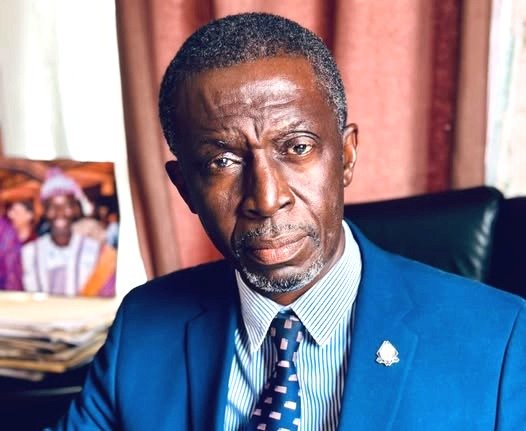
By Cllr. Tiawan Saye Gongloe
I respect President Joseph Nyuma Boakai’s determination to bring electricity to our people and build roads throughout Liberia. Reliable electricity could keep clinics functioning and give students more hours to study. All-weather roads could help farmers get food to market and families reach schools and hospitals. The scale of those needs is why Liberians should examine the proposed US$5.7 billion agreement with Bea Mountain Mining Corporation before the country commits. The Liberian people have a right to know the full terms of the proposed agreement.
Ethiopia’s Grand Ethiopian Renaissance Dam reportedly cost about US$5 billion and has a design capacity of 5,150 megawatts. Liberia’s proposed US$5.7 billion program would add 270 megawatts, just 5.24 percent of Ethiopia’s design capacity. How does the Government explain such a wide gap in generating capacity when the total amounts are so close?
If the announced US$5.7 billion includes US$1 billion for additional roads, approximately US$4.7 billion would remain for the rest of the program. How much would go to power generation, reservoirs, transmission lines and grid upgrades? What would the separately listed 146-kilometer Liberia Development Road cost, and where is that cost accounted for? The Government should publish a project-by-project breakdown, identify the roads and communities to be served, and explain whether contractors were selected through open international competitive bidding.
Ethiopia took fourteen years from the start of construction to inauguration. At Mount Coffee, more than five years passed from the start of rehabilitation to completion. What makes the proposed five-year timetable realistic, given Liberia’s long rainy season? Publish the construction schedule and feasibility study, and disclose the status of financing, designs, land acquisition, and environmental approvals. Communities in Grand Cape Mount and Bong that have experienced mining-related water contamination deserve to know how their water, farmland, and forests will be protected and who will pay for cleanup or compensation.
In 1870, President Edward James Roye sought foreign capital for a railway linking Liberia’s interior to coastal markets. The £100,000 London loan negotiated under his administration in 1871 carried 7 percent interest and included a documented allocation for currency stabilization, domestic debt repayment, and an emergency reserve. Under President Daniel Edward Howard, the US$1.7 million loan of 1912, at 5 percent, consolidated outstanding Roye-era debt and other obligations. Under President Charles D. B. King, the US$5 million Firestone-linked facility refinanced the 1912 bonds at 7 percent, later reduced to 5 percent. Liberia pledged customs revenues, and the original 99-year rubber concession outlasted the loan.
More recently, the Weah administration’s EBOMAF and Eton road loans raised expectations, secured legislative approval, and were later canceled. Before committing to Bea Mountain, the Government should show who has legally committed the financing, how much will be available when construction starts, and what recourse Liberia will have if the money or the promised works fail to materialize.
President Boakai should take care not to mortgage the future of Liberian children, those living today and those yet unborn. How much gold revenue would be committed, for how long, and which rights would survive repayment? If we surrender long-term control over our gold wealth on terms that leave our people poorer, we risk what I call voluntary colonization. The agreement should help Liberia expand education and eliminate illiteracy, improve health care, reduce food insecurity, and retain more value from our resources by processing them at home.
I urge President Boakai to withhold his signature until the full agreement and its annexes are published and widely discussed. If he signs, the Legislature should withhold ratification until it holds public hearings and independently verifies the costs, financing, timetable, environmental safeguards, and protections for public revenue. Liberians must have the opportunity to judge what they are being asked to give up while there is still time to change the terms.