


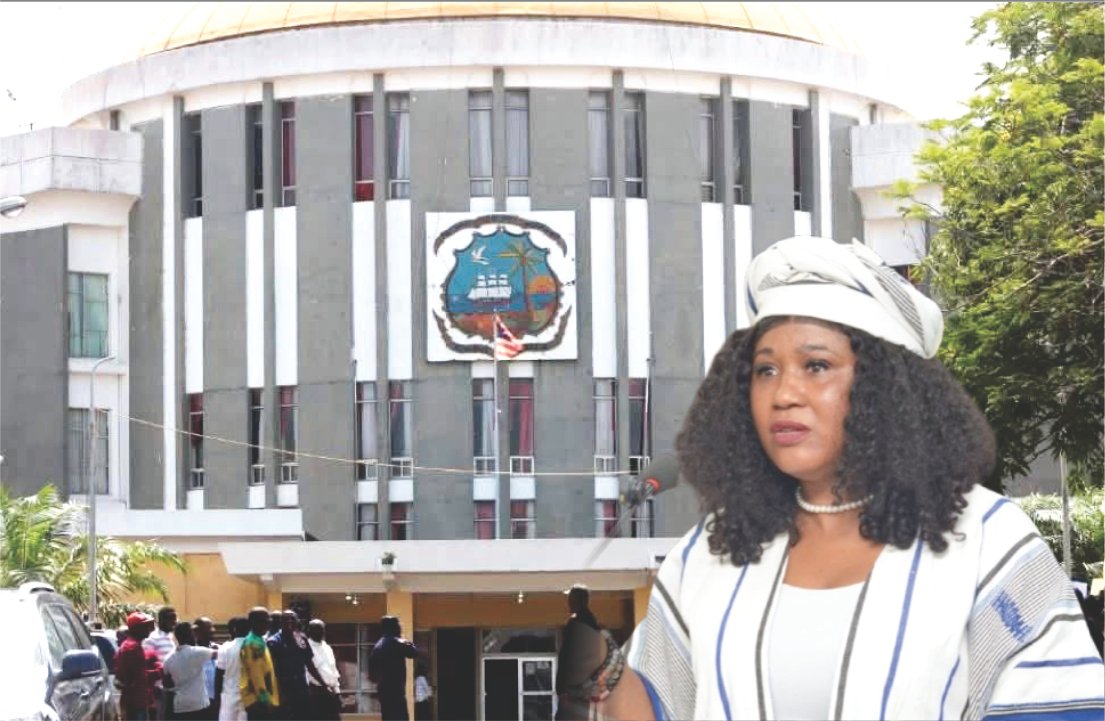
MONROVIA, Liberia – Liberia has moved closer to strengthening its intellectual property protection system following the Senate’s concurrence with the House of Representatives to ratify four regional and international agreements covering innovation, agricultural advancement, creative works, and traditional knowledge.
The approval represents a major legislative step toward building a more effective intellectual property framework that could promote economic growth, attract investment, protect local innovations, and expand opportunities for Liberian entrepreneurs and businesses.
The four agreements endorsed by the Legislature are the African Regional Intellectual Property Organization (ARIPO) Kampala Protocol on Voluntary Registration of Copyright and Related Rights; the ARIPO Arusha Protocol for the Protection of New Varieties of Plants; the International Convention for the Protection of New Varieties of Plants (UPOV Convention); and the World Intellectual Property Organization (WIPO) Treaty on Intellectual Property, Genetic Resources and Associated Traditional Knowledge.
The Senate’s decision comes after the House of Representatives had earlier approved the instruments. The ratification process followed President Joseph Nyuma Boakai Sr.’s submission of eight intellectual property treaties and protocols to the 55th Legislature for consideration.
Four additional instruments from the President’s submission are still awaiting legislative action and are expected to be considered in the coming months. They include the UNESCO 2003 Convention on Intangible Cultural Heritage, the 2005 Convention on the Diversity of Cultural Expressions, the WIPO Copyright Treaty, and the WIPO Performances and Phonograms Treaty.
The initiative is consistent with the Economic Transformation pillar of President Boakai’s ARREST Agenda for Inclusive Development, which identifies the establishment of a strong national intellectual property system as an important component of Liberia’s development priorities.
Reacting to the Legislature’s decision, the Director General of the Liberia Intellectual Property Office (LIPO), Hon. Garmai Koboi, welcomed the Senate’s concurrence, describing it as a meaningful step toward making intellectual property protection an instrument for national economic advancement.
Koboi explained that the agreements will introduce additional legal protections and opportunities to harness the economic value of Liberia’s agricultural products, creative industries, indigenous knowledge, and technological innovations.
She said the treaties are expected to improve safeguards for creative works, support the development of enhanced plant varieties, protect traditional knowledge linked to genetic resources, and establish a more reliable legal environment for innovation and investment.
The LIPO Director General also stressed that the benefits of the agreements will extend to a broad range of sectors and individuals, including artists, researchers, farmers, entrepreneurs, and business operators. According to her, stronger intellectual property protections will enable these groups to secure their contributions, develop their ideas, and obtain greater economic benefits from their work and resources.
LIPO maintains that the latest legislative development brings Liberia a step closer to adopting an intellectual property framework that meets international standards while promoting innovation, strengthening economic competitiveness, and supporting sustainable development.
The institution has meanwhile acknowledged President Boakai’s leadership in advancing the ratification process and commended members of both chambers of the Legislature for their role in approving the four instruments.
The approval also underscores the growing importance of intellectual property rights in Liberia’s development agenda, particularly the need to ensure that the country’s creative abilities, agricultural potential, scientific research, and indigenous knowledge are adequately protected and translated into meaningful economic and social benefits.