


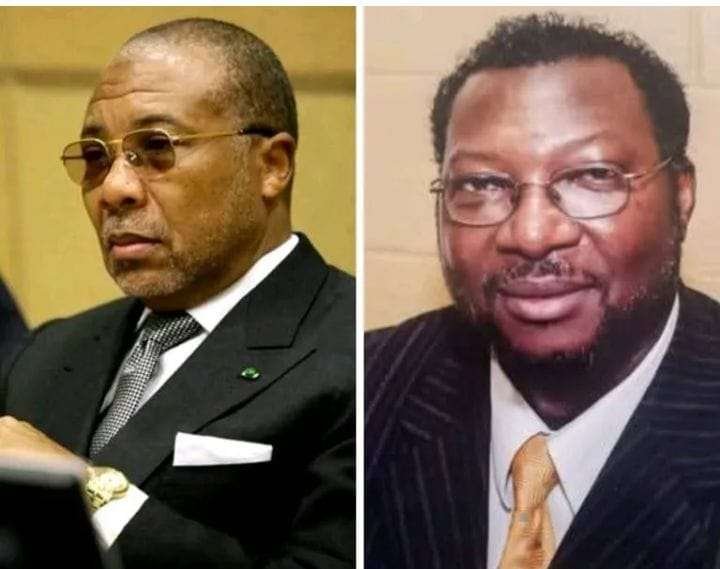
The Political Leader of the People’s Party (TPP), Joseph Kawalah Flomo Koiwu Bannie, has issued a strong call for an end to violence against women and children while unveiling plans to spearhead a movement advocating continued accountability for former warlord Charles Taylor.
Speaking on Sunday during celebrations marking his 68th birthday, Hon. Bannie described the occasion as more than a personal milestone, emphasizing it as a moment of renewed commitment to national service. He declared that March 15, 2026, would stand as both an official and personal pledge to combat violence in all forms, particularly against women, children, and vulnerable populations across Liberia.
Born to the late Paramount Chief Yarkpawolo Bannie and Korpoboi Bannie, the TPP political leader stressed the importance of instilling discipline and moral values within the home.
According to him, societal breakdown often begins at the family level when guidance and accountability are lacking. He warned that harmful behaviors tolerated within households can escalate into broader societal problems, ultimately affecting entire communities.
In addition to addressing social concerns, Hon. Bannie weighed in on ongoing debates regarding the conviction of Charles Taylor by the Special Court for Sierra Leone, a United Nations–backed tribunal that prosecuted crimes linked to the Sierra Leone civil war. He dismissed claims by some of Taylor’s supporters who argue that the conviction was unjust because Liberia did not initiate the charges.
Hon. Bannie maintained that justice should not be undermined by the origin of legal proceedings, asserting that wrongdoing remains punishable regardless of whether it is prosecuted domestically or internationally. He further accused Taylor of playing a significant role in Liberia’s destruction during the civil war, alleging that the former leader exploited the country’s natural resources—including diamonds, gold, and timber—for personal gain.
The TPP leader noted that the lasting effects of those actions continue to hinder Liberia’s recovery and development. He attributed much of the suffering experienced during the conflict to leadership driven by personal ambition rather than national interest, highlighting atrocities such as sexual violence and widespread terror inflicted upon civilians.
Hon. Bannie also announced his intention to organize a counter-movement aimed at resisting any efforts to secure the premature release of Charles Taylor from prison. He emphasized that Liberia’s path forward depends on sustained justice and accountability for crimes committed during the war years.
Concluding his remarks, Hon. Bannie underscored the need to build Liberia’s future on a foundation of justice, human rights, and the protection of women, children, and other vulnerable citizens.