


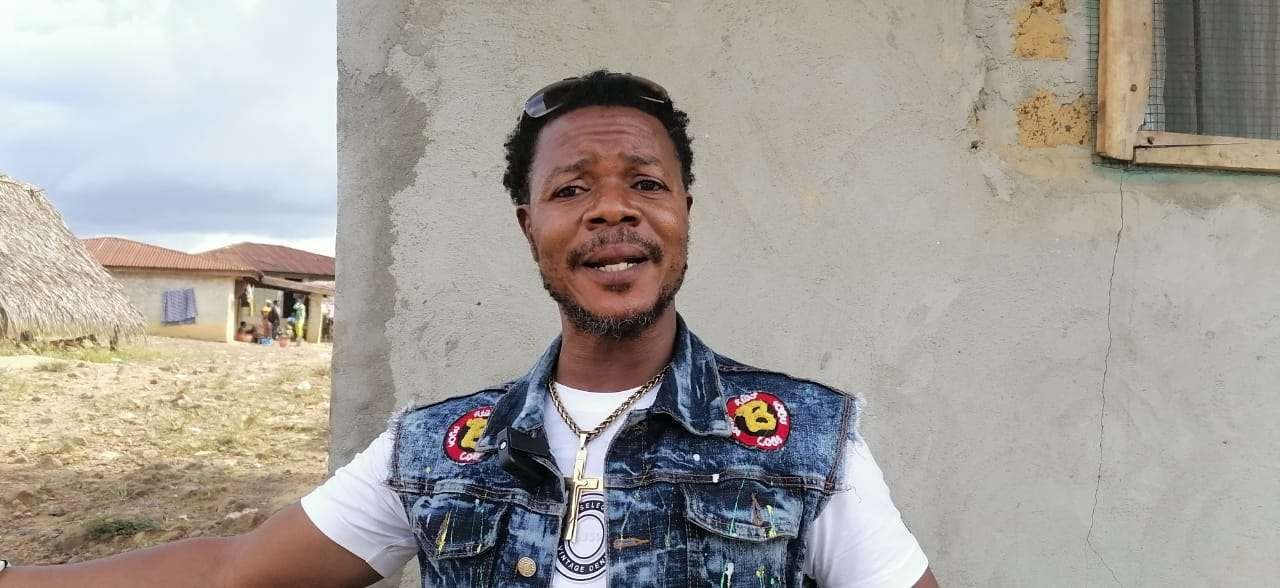
A prominent son of Boisein Administrative District, in Bong County Electoral District One, Belthan Tano, has expressed strong concern over the return of Turkish mining company MNG-Gold Liberia to the district, accusing the government and local political actors of ignoring citizens’ welfare and failing to enforce key development obligations previously agreed upon with the company.
Speaking in an exclusive interview, Tano said the district—Bong County District #1, which comprises four sub-districts—is rich in natural resources yet its citizens “continue to live in absolute poverty” due to poor governance and the government’s failure to ensure that community benefits are delivered.
Tano recounted that the company first entered the area in 2015 after AMLA’s operations, operating under a Mineral Development Agreement (MDA) with the government and a Memorandum of Understanding (MOU) with the affected communities. He argued that while the MDA is legally binding, officials have downplayed the MOU, leaving citizens without leverage to demand better services.
He highlighted unmet commitments in the MOU, especially road rehabilitation “up to Public Works standard.” According to him, the company frequently claims it is paying taxes to the national government, while government officials fail to monitor or enforce the promised road work.
“You will never see a government engineer with the company when they are rehabilitating these roads,” he said, describing the situation as one that pits citizens against the company while the government “sits at the back.”
Tano also criticized the government’s weak engagement with citizens before allowing MNG-Gold to resume operations, saying many provisions of the earlier MOU remained unimplemented after six to eight years. He accused some local political leaders of benefiting personally while ordinary residents suffer environmental damage and economic exclusion.
He further echoed community concerns about political interference in the appointment of community liaison officers—positions that the MOU states should be selected by citizens in affected areas. Instead, Tano said politicians have appointed individuals who do not represent community interests.
“Our people drafted that MOU with their own ideas to gain at least small benefits,” he said. “But if those appointed to represent the citizens are chosen by politicians, they will not speak for us.”
Tano concluded by calling for unity among district leaders and residents, saying political division is undermining the community’s ability to manage its own resources and demand accountability.
“Where are we heading when we have resources but are not managing them well?” he asked.