

The Supreme Court of Liberia has strongly rejected what it describes as “false, misleading, and malicious” reports aimed at tarnishing the image of the judiciary and mischaracterizing the role of Chief Justice Yamie Quiqui Gbeisay, Sr.
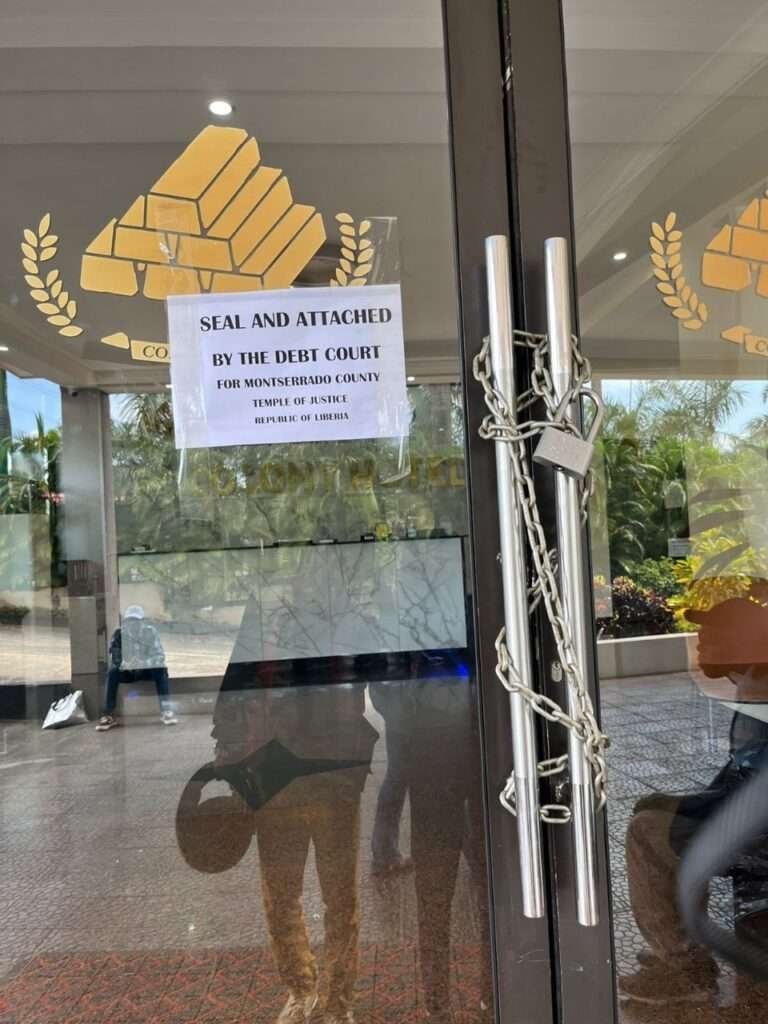
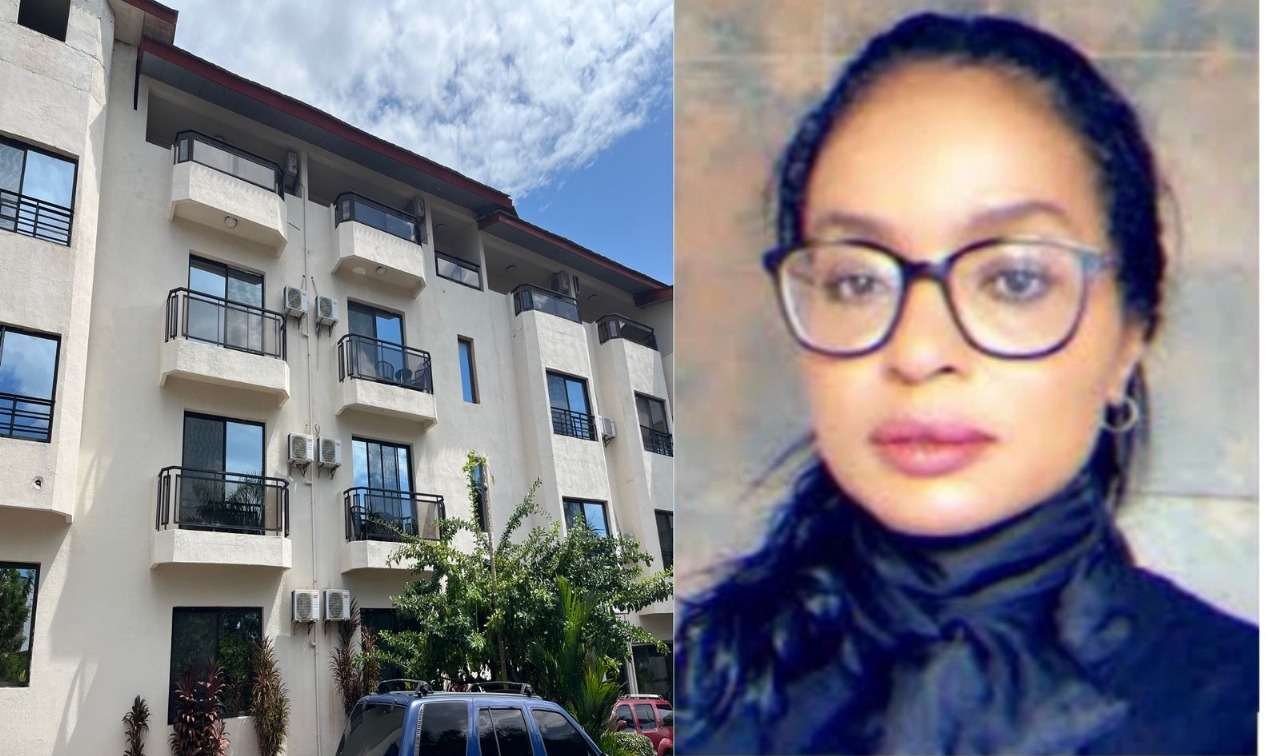
In a statement issued on Tuesday, October 21, 2025, by Cllr. Darryl Ambrose Nmah, Director of Public Information and Strategic Planning, the court responded to mounting public scrutiny over the closure of the locally owned Colony Hotel.
Allegations have surfaced that judicial interference and favoritism toward foreign interests influenced the enforcement action.
Enforcement Action Was Legal and Stemmed from 2020 Debt Case
The Supreme Court clarified that the closure of the Colony Hotel was not due to a personal order by Chief Justice Gbeisay, but the lawful execution of a final judgment in a civil debt case dating back to 2020.
The matter originated from a lawsuit filed at the Montserrado County Debt Court between Mrs. Ding Shu Jun (also known as “Nancy,” a Chinese national) and Mr. Najid Kamand, former operator of the now-defunct Palm Springs Hotel.
That case resulted in a US$1.2 million judgment in favor of the plaintiff.
After the defendant’s appeal failed, the Supreme Court ordered enforcement of the judgment in December 2024, directing the lower court to proceed accordingly.
“Every party before the court is equal before the law,” the court emphasized.
“Judgments of the Honorable Supreme Court will be made in accordance with the law, not based on personal affiliation or influence.”
Judge Reassignment Was Procedural, Not Political
One of the core controversies involved the reassignment of Judge James E. Jones, who had previously ruled that the Colony Hotel had no legal ties to Mr. Kamand or the Palm Springs Hotel.
Critics questioned the timing and motive behind the reassignment, suggesting political interference. However, the Supreme Court dismissed these claims as “baseless,” stating that Judge Jones formally requested reassignment in September 2025 after the judgment creditor raised concerns about inadequate enforcement.
Chief Justice Gbeisay, acting within his constitutional authority, reassigned the matter to Judge Joseph B. Kollie, who was subsequently tasked with enforcing the court’s decision.
“This decision was based solely on judicial procedure and administrative necessity, not political pressure or favoritism,” the Judiciary stated.
Colony Hotel Property Was Legally Tied to Original Debt Case
Addressing confusion over the connection between the Colony Hotel and the original lawsuit, the court explained that the Palm Springs Hotel property, now operating as the Colony Hotel, had been attached as surety in the debt case.
The court alleges that Mr. Kamand “clandestinely maneuvered” to cancel the original lease agreement in an attempt to sever ties between the property and the litigation.
“Such conduct constitutes a deliberate and malicious attempt to obstruct justice,” the statement read. “This behavior undermines confidence in the legal system and must not be allowed to prevail.”
Court Condemns Media for Unverified and One-Sided Reporting
The Supreme Court also took aim at the media, criticizing some outlets for publishing stories without seeking verification or clarification from judicial sources.
“Unbalanced reporting has real consequences-not only for the reputation of the Judiciary but also for Liberia’s investment climate,” said Cllr. Nmah.
“We remain open to engaging with media institutions to provide accurate information and urge journalists to verify facts before publication.”
Judicial Reform Will Continue, Court Asserts
Despite the controversy, the Judiciary says it remains committed to judicial reforms aimed at transparency, accountability, and public trust, key pillars outlined by Chief Justice Gbeisay.
“No misleading publication will derail the Judiciary from its reform agenda,” the court affirmed. “We are guided by the rule of law, not by public pressure or media narratives.”
Public Skepticism Persists as Debate Continues
While the Supreme Court insists its actions were lawful and impartial, public criticism continues, particularly over the economic impact of the hotel’s abrupt closure. The Colony Hotel reportedly employed over 200 Liberians, sparking concern about livelihoods and judicial sensitivity.
Critics argue the enforcement could have been executed with greater transparency and consideration, especially given Liberia’s fragile economic environment.
Questions remain about potential legal remedies available to the current hotel owners, and whether an independent review of the enforcement process might be warranted.
For now, the Judiciary stands by its decision, asserting that justice, not favoritism, was served.