
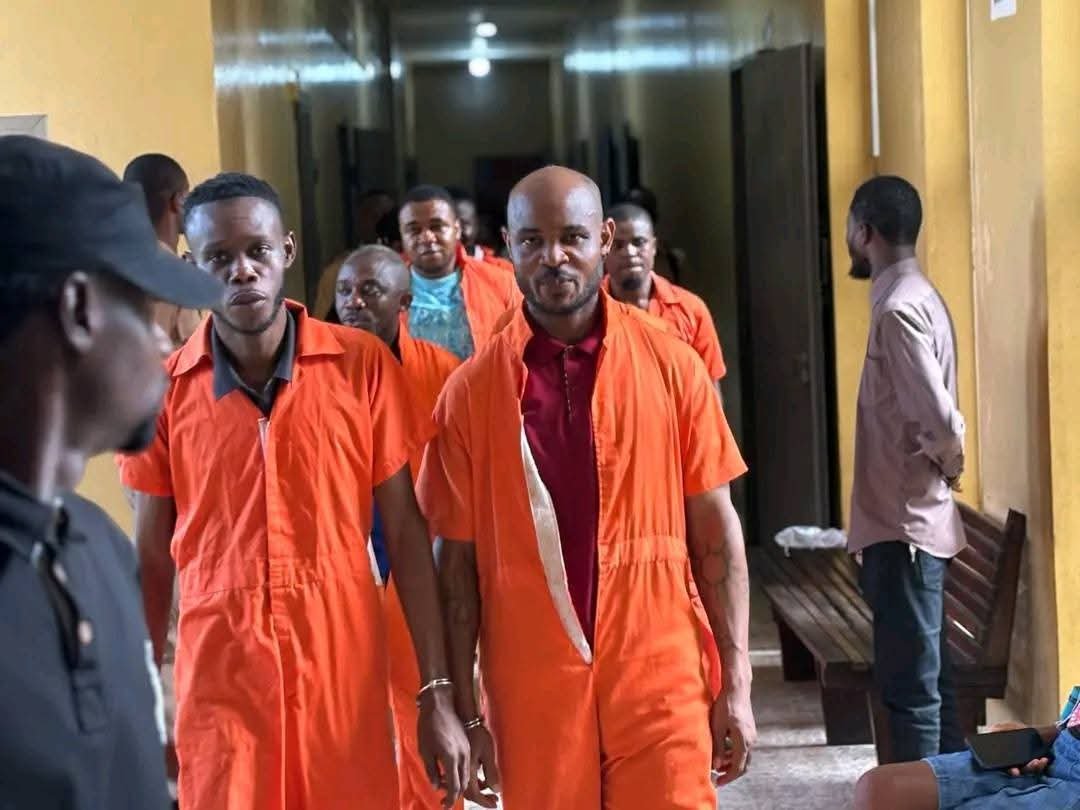
Criminal Court ‘A’ Judge Roosevelt Z. Willie has declared a mistrial in the ongoing high-profile Capitol Building arson case, ordering the disbandment of the entire jury panel following a motion filed by the prosecution about juror misconduct, alleged bias, and incompetence during the proceedings.
The ruling was delivered on Friday, January 2, 2026, by Willie, who held that events during the trial created a situation of “manifest necessity” that made it impossible for the case to continue fairly.
Jury Selection and Early Proceedings
The case began on November 18, 2025, when fifteen jurors were selected, vetted, and sworn to hear the matter.
The defendants all pleaded not guilty, placing the burden on the Prosecution to prove its case beyond a reasonable doubt.
However, the jury panel was reduced to fourteen on December 2, 2025, after the Court removed one juror who admitted holding a leadership position in the Congress for Democratic Change (CDC).
The Prosecution argued that her political affiliation could compromise impartiality, as several defendants are senior members of the party. The Court agreed, and the juror was dismissed without replacement.
Juror Conduct Raises Concerns
The controversy escalated during testimony from the Prosecution’s first witness, Assistant Commissioner of Police Rafael A. Wilson, who appeared on December 3, 2025.
During juror questioning, one juror raised doubts about video and photographic evidence allegedly showing Defendant Thomas Isaac Etheridge at the Capitol during the incident.
When the video was replayed on December 23, the juror publicly questioned whether the person shown was actually the defendant, remarking on differences in appearance.
The Prosecution objected, arguing that the juror had prematurely formed an opinion before the close of the State’s case. The Court sustained the objection and later excused the witness.
Prosecution Moves for Mistrial
On December 29, 2025, instead of calling another witness, the Prosecution asked the Court to disband the entire jury.
Prosecutors alleged that several jurors had engaged in improper conduct, including exchanging opinions, consulting among themselves, and compromising juror independence.
The Prosecution identified three jurors in particular and argued that the alleged conduct had contaminated the panel, making a fair verdict impossible.
Defense Pushes Back
Defense lawyers strongly opposed the motion, describing it as unsupported and unfair.
They argued that juror questioning was allowed under the law, that no verified evidence of misconduct existed, and that dissolving the jury would violate the defendants’ constitutional protection against double jeopardy.
They further suggested the motion was an attempt by the Prosecution to recover from weaknesses exposed during cross-examination.
Court’s Decision
In his ruling, Judge Willie held that oral motions by lawyers are legally permissible and that attorneys are bound by professional ethics to be truthful.
The Court found that at least one juror had openly expressed an opinion on disputed evidence before the Prosecution had closed its case.
The judge also criticized both Prosecution and Defense lawyers for making inflammatory statements in the presence of jurors, calling such conduct a violation of professional ethical standards.
Taken together, the Court ruled, these circumstances amounted to manifest necessity, justifying the declaration of a mistrial.
The judge emphasized that ending the trial in this manner does not prevent the State from retrying the defendants.
The Court formally disbanded the jury, terminated the trial without a verdict, and ordered that the case be set for a new trial at a later date.
Following the ruling, defense lawyers notified the Court that they would pursue available legal remedies and applied for bail, citing the mistrial, existing bonds, and constitutional guarantees.
The case has drawn widespread public attention due to its political implications and the significance of the Capitol Building as a national symbol.