
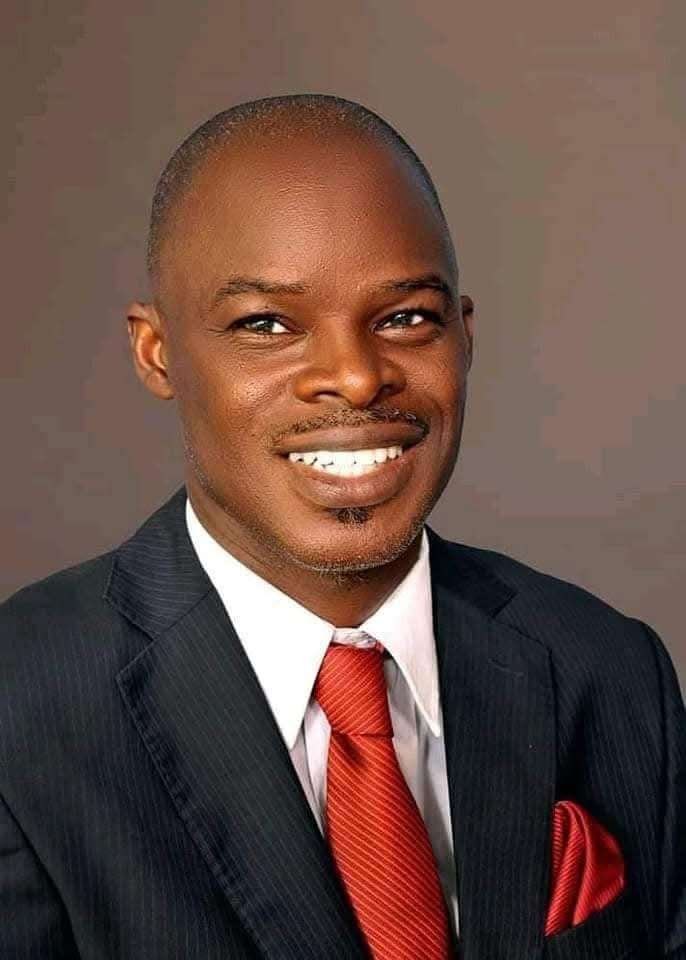
The presiding judge of Criminal Court ‘C’ at the Temple of Justice has dismissed a six-year indictment against George G. Wisner II, former Executive Director of Liberia’s National Investment Commission (NIC), bringing to a close a high-profile economic crimes case that began under the administration of former President George M. Weah.
Resident Judge Osman F. Feika of Criminal Court “C” for the First Judicial Circuit in Montserrado County ruled that the charges-Economic Sabotage, Theft of Property, and Criminal Conspiracy-should be dismissed and ordered the immediate restoration of Wisner’s rights and privileges as a free citizen of Liberia.
Background to the Case
Wisner was indicted in 2020 by the Ministry of Justice in connection with the issuance of an Investment Incentive Certificate (commonly known as a duty-free privilege) to a company identified as MHM EKO.
The Government of Liberia, through the Ministry of Justice, alleged that the certificate was later abused by one of the company’s agents, resulting in a loss of US$8,592.39 to the Government of Liberia.
The indictment was linked to a broader dispute involving a reported US$7.6 million fraud allegation between corporate partners Pavel Miloschewsky and J. Nanborlor F. Singbeh Sr., concerning the handling of investment incentives and company funds.
Throughout the proceedings, Wisner maintained that he had acted within the scope of his official duties at the National Investment Commission and that the charges were unfounded.
Defense Arguments
Wisner’s legal team argued that the indictment was politically motivated and lacked legal basis. They contended that while the NIC facilitates and recommends investment incentives, it does not possess the statutory authority to grant tax waivers.
According to the defense, that authority rests with the Ministry of Finance and Development Planning (MFDP). They further noted that the investment incentive certificate in question bore the signatures of then-Minister Amara Konneh and Deputy Minister James F. Kollie.
Wisner’s lawyers described the prosecution as malicious and designed to silence him because of his political affiliation with the Unity Party and the Collaborating Political Parties (CPP), though prosecutors did not publicly characterize the case as political.
Personal and Professional Impact
During the nearly six-year pendency of the case, Wisner said he suffered significant professional and personal setbacks. A court-issued ne exeat republica barred him from leaving the country, restricting international travel and employment opportunities. He also said his consultancy firm collapsed amid the uncertainty surrounding the charges.
After Judge Feika’s ruling, Wisner received a certificate of clearance formally restoring his civil liberties.
In a statement following the decision, Wisner described the case as emblematic of what he called the politicization of Liberia’s justice system.
“Though I was lied on, scandalized, and deprived of liberty, I rise today stronger, freer, and more determined,” he said. “I hold malice towards no one.”
He added that he had reconciled with some individuals who had been associated with the prosecution and expressed gratitude to his legal counsel, Attorney Kollie A. Dorko and Mesurrado Law Partners Incorporated, for what he described as their competence and resilience.
The dismissal adds to ongoing public debate about accountability, prosecutorial discretion, and the intersection of politics and the judiciary in Liberia. Criminal Court “C” has jurisdiction over certain economic and financial crimes within the First Judicial Circuit.
The decision marks a significant legal victory for Wisner and closes one of the more prominent economic crime cases initiated during the previous administration.