


By Emmanuel M. Kangar, Jr.
Monrovia, Liberia – The opposition National Patriotic Party (NPP) has publicly endorsed the appointment of election expert Jonathan Weedor as Chairman of the National Elections Commission (NEC), describing the decision as lawful and consistent with Liberia’s electoral framework.
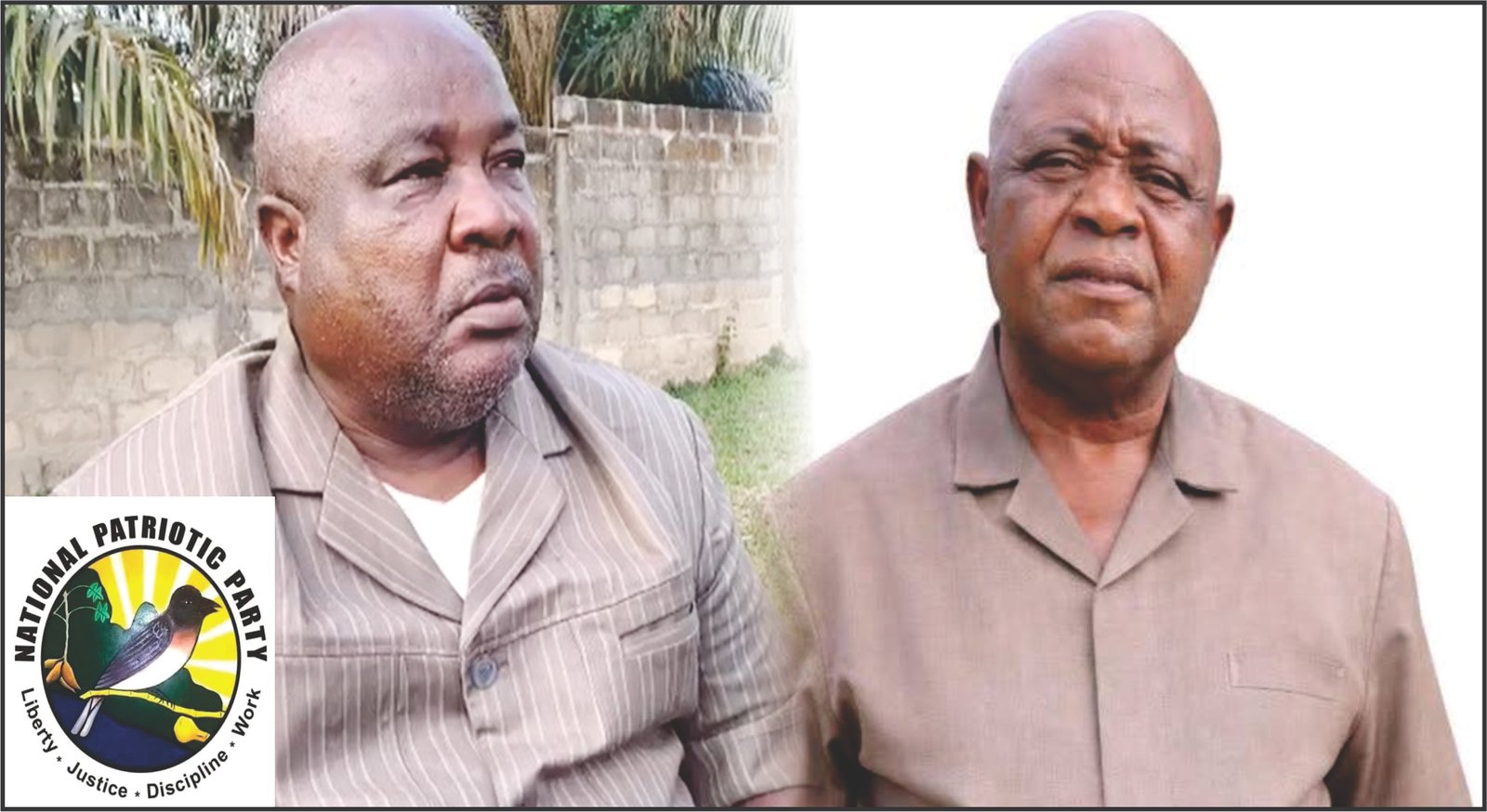
Speaking on behalf of the party, NPP National Chairman Atty. George S. Mulbah dismissed criticisms from the Congress for Democratic Change (CDC), urging the party to pursue legal channels if it is dissatisfied rather than engage in what he termed “talks of violence.”
“First, look at what the law says,” Mulbah stated. “The Elections Law does not prohibit the appointment of Mr. Jonathan Weedor. He is a Liberian citizen who is qualified and experienced to head such an office. We must respect the existing rules.”
Mulbah emphasized that Weedor’s role as NEC Chair does not grant him unilateral authority, noting that he will serve as part of a broader commission. He also rejected claims that the appointment could compromise future elections, including the 2029 polls.
“You cannot predict the outcome of the 2029 election simply because the President has appointed Jonathan Weedor,” he said.
Drawing on precedent, Mulbah argued that similar appointments have occurred in the past without legal violation. He cited instances where individuals with political affiliations or prior candidacies were appointed to the NEC.
“Jerome Kokoyah contested elections in this country and was later appointed to the Elections Commission,” Mulbah noted. “The CDC itself fielded a political candidate who was subsequently appointed to the Commission, and she remains there.”
According to Mulbah, the law requires that appointed commissioners demonstrate neutrality and independence once in office, regardless of prior political associations.
“The law is clear—after appointment, you must act independently. That is the standard,” he said.
The NPP chairman further contended that the CDC lacks moral standing to challenge the appointment, given its own past actions.
“What do you want to argue against today when you practiced and benefited from it yesterday?” he asked.
Mulbah concluded by urging aggrieved parties to seek redress through the judiciary, specifically the Supreme Court, rather than resort to inflammatory rhetoric.
“If anyone feels dissatisfied, go to the Supreme Court,” he said. “Nobody has the authority to reinvent the wheels of violence in this country.”