


By G. Watson Richards
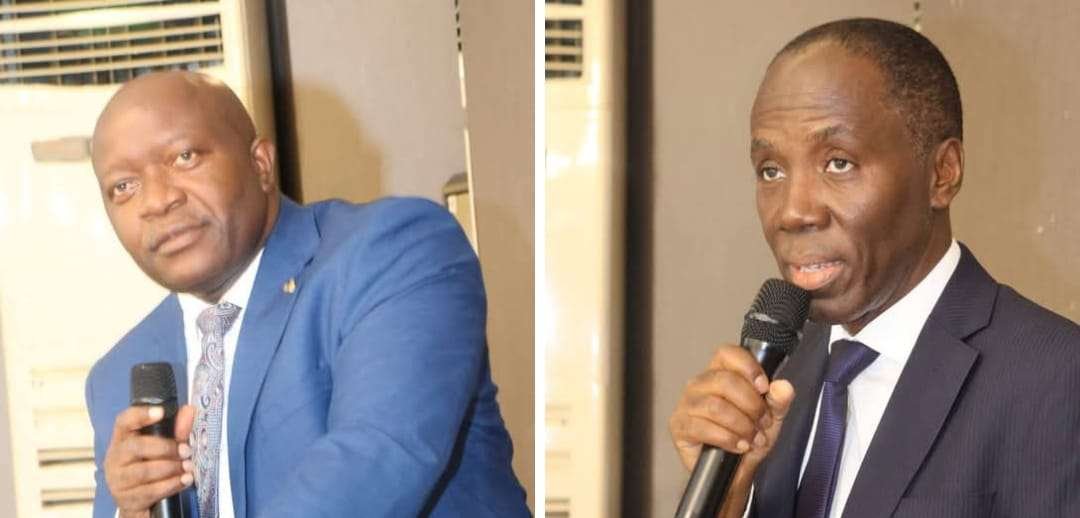
The Minister of Finance and Development Planning, Augustine Kpehe Ngafuan, has urged stricter accountability, quicker execution of projects, and a renewed sense of national ownership over development initiatives.
Speaking at the opening of the 2026 Country Portfolio Performance Review (CPPR) held jointly by the Liberian Government and the African Development Bank, Ngafuan emphasized that donor-funded programs must be viewed as national investments rather than external assistance.
“These are not just partner projects; they belong to the Liberian people. When they succeed, we all succeed-and when they fail, we all bear the consequences,” he said.
He highlighted that many of the projects are financed through concessional loans, cautioning against complacency in managing them.
“Whether repayment takes 30 or 40 years, the responsibility is ours,” Ngafuan stated. “Already, Liberia is allocating significant portions of its budget to servicing debts owed to institutions like the World Bank and the AfDB.”
According to him, Liberia is expected to pay about $25 million to the World Bank and at least $5 million to the AfDB in 2026.
Liberia’s current AfDB-backed portfolio stands at roughly $350 million, supporting key sectors such as infrastructure, agriculture, and energy.
While progress has been made-evidenced by a reduction in underperforming projects from 47% to about 32%, Ngafuan noted that performance levels remain below expectations.
“We must push these numbers down to acceptable levels,” he urged, pointing to delays in project startup, legislative approvals, and meeting effectiveness conditions.
The minister stressed the importance of accountability across all institutions and individuals involved in project implementation.
“Everyone involved-from ministries to project managers-must take responsibility. Delays and inefficiencies will not be overlooked,” he warned.
He also proposed performance-based incentives to improve delivery outcomes.
“Let’s incentivize performance. Those who meet timelines should be rewarded, and those who fall short must face consequences,” Ngafuan added.
Addressing concerns about misuse of funds, he called for stricter enforcement and individual accountability.
“Ineligible expenditures must be traced to those responsible. When accountability is clear, performance improves,” he said.
In his remarks, AfDB Country Manager Reese Mwasambili described the review as a critical opportunity to assess progress and recalibrate efforts.
“This is more than a routine exercise-it’s a moment for honest reflection and renewed commitment,” Mwasambili noted.
He explained that the CPPR provides a detailed, project-by-project evaluation aimed at identifying challenges and agreeing on practical, time-bound solutions.
“We must be transparent about what is working and what is not. Too often, projects designed for two to five years extend to eight or nine, which undermines value for money,” he said.
The one-day session brought together government officials, AfDB representatives, and project stakeholders to review 17 active projects and develop strategies to enhance implementation.
The meeting is expected to conclude with clear, action-oriented recommendations to strengthen project delivery and ensure meaningful development outcomes for the Liberian people.