


By Joycelyn Wea
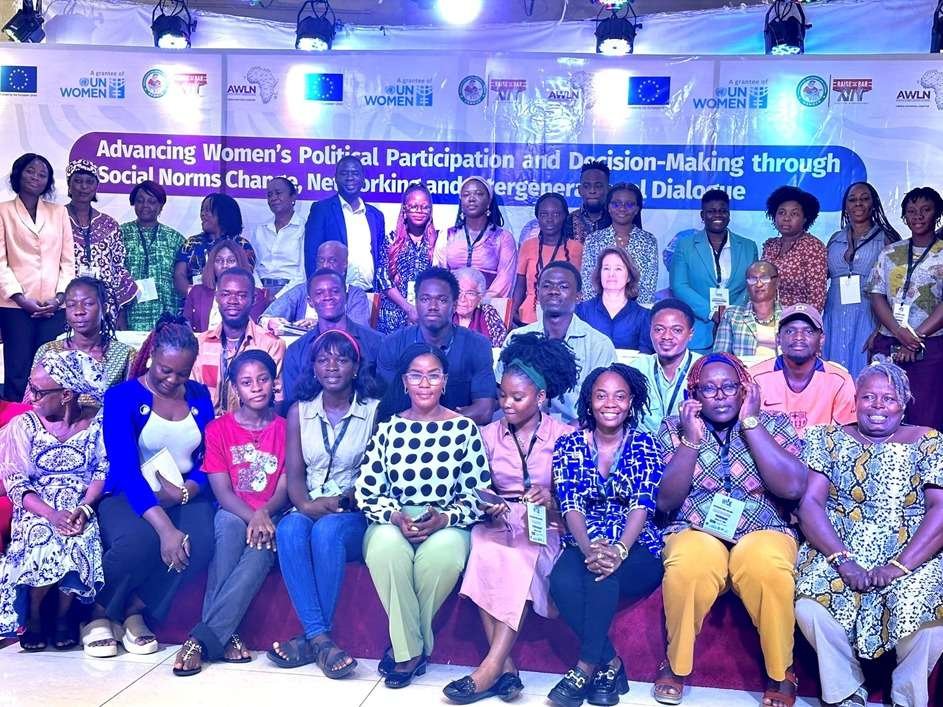
On Tuesday morning, the ballroom at the E. J. S. Ministerial Complex filled with the kind of audience Liberia’s politics still too rarely rewards: women who have done the work, and young women who want a turn to lead.
They came for an intergenerational dialogue convened by the Organization for Women and Children, known as ORWOCH, with the African Women Leaders Network’s Liberia chapter, AWLN. The meeting was billed as a one-day national conversation ahead of the 2029 elections, but it carried the weight of something older, the stubborn question of why women remain a minority in the rooms where Liberia’s biggest decisions are made.
About 60 people were expected, mostly women, with a smaller group of men invited as allies. The organizers said the mix was intentional, young women ages 18 to 35, and experienced leaders 35 and above, chosen through a nomination process meant to be transparent. The agenda moved quickly, with panels, roundtables, and working sessions. Yet the theme was plain. Social norms still shape who gets encouraged, who gets financed, who gets protected, and who gets heard.
Cllr. Cora N. Hare Konuwa, a deputy minister at the Ministry of Justice, put it in blunt terms. Leadership, she said, has been treated as a man’s role for generations, and that belief has quietly trained communities on “who speaks, who decides, and who leads.” She argued that changing the culture cannot be left to women alone, and that men and boys must be part of the shift.
The discussion kept returning to safety. Participants reflected on recent electoral cycles, including the 2023 elections, and the ways intimidation can travel from public spaces to private lives. They spoke about violence against women in elections and politics, and the newer strain of online abuse that can shadow a candidate long after the rally ends. The message, repeated in different accents and different ages, was the same. No democracy can claim fairness when half the population has to calculate risk before speaking.
Laura Golakeh, a deputy minister at the Ministry of Gender, Children and Social Protection, pressed a different point. Liberia, she said, does not lack gender responsive policies. It lacks enforcement, and it sometimes lacks solidarity. She noted gains in the executive branch, with women approaching 40 percent of positions, but called representation in the Legislature and at community levels discouraging.
Then she turned to the quieter barriers, the ones that do not always make headlines. Women have been socialized, she said, to compete against one another. “That has to stop.”
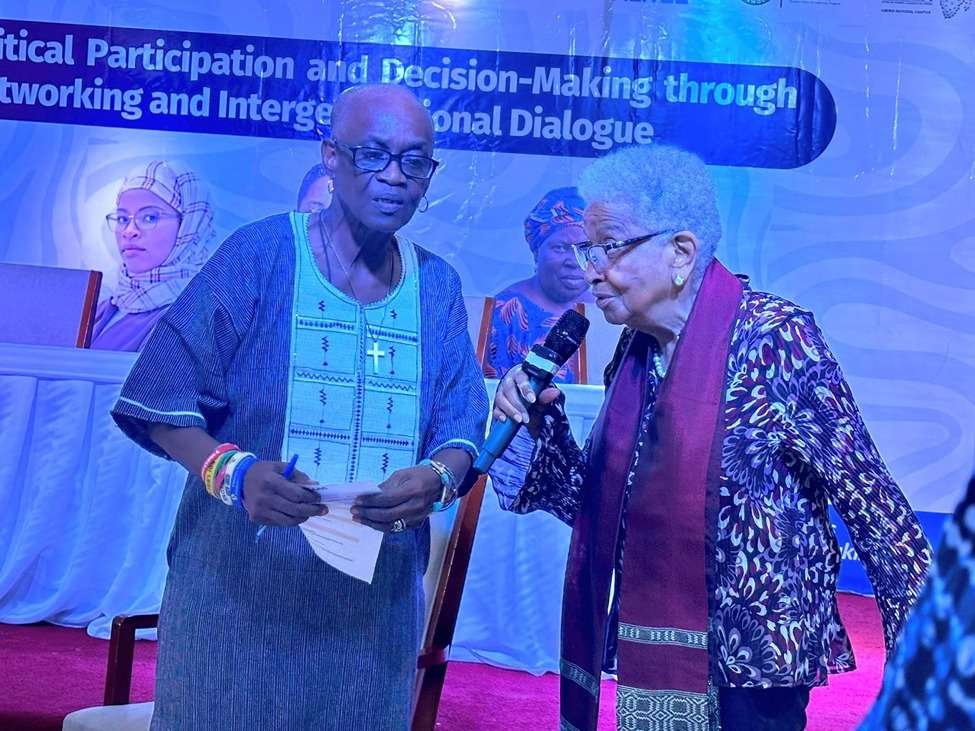
If the room needed a reminder that the problem is not talent, it got one from the European Union’s ambassador to Liberia, Nona Deprez. She warned that women’s political representation is declining, even after years of recommendations and commitments. The obstacle, she suggested, is not ambition or capacity. It is systems and incentives, especially inside political parties, that control nominations and resources.
UN Women’s Adina Wolfe, a mentoring specialist, placed Liberia’s debate inside a global one. Around the world, she said, women’s rights face a backlash, and coalition building between civil society, legislators, and government matters more than ever. She described the gathering as part of a wider effort that blends training, networking, and social norms change, with support from the European Union.
Still, the most talked about moment was not a policy line or a program description.
It was the fireside chat with H. E. Madam Ellen Johnson Sirleaf, Liberia’s former president, who has become both a living archive and a mirror for the country’s next generation. In the ballroom, young women leaned forward as she spoke about what it costs to step into public life, and what it costs to stay there.
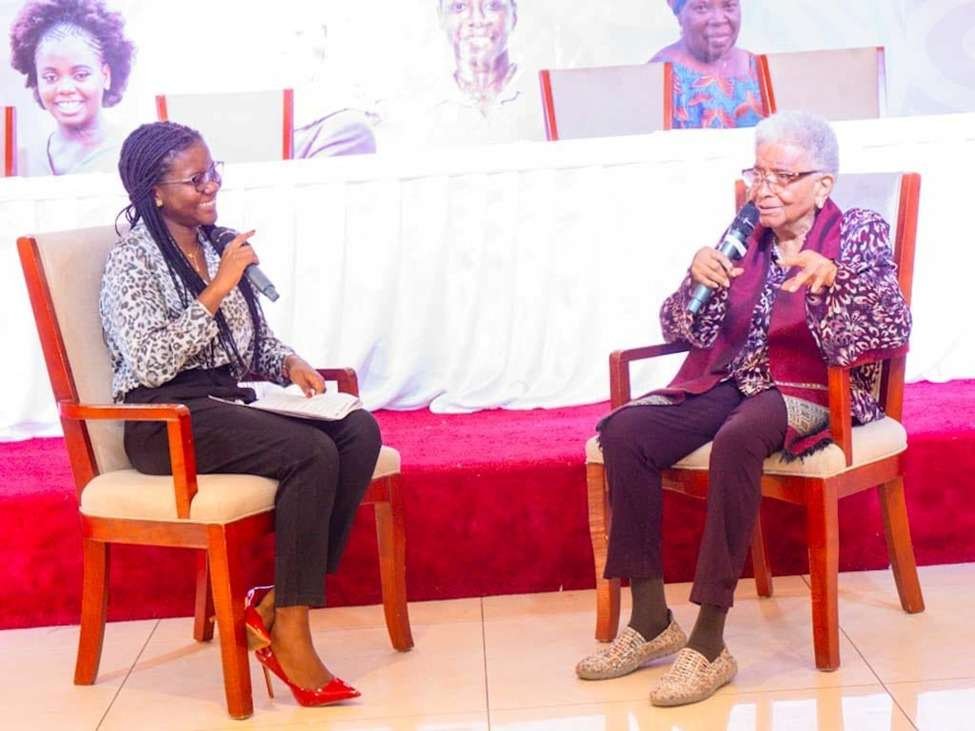
She shared stories meant to travel. Stories of endurance, of missteps, of returning after setbacks. She reminded them that moving beyond fear is a call to action.
The organizers say the day will produce concrete recommendations and commitments, focused on reforms, gender responsive frameworks, and practical strategies for shifting social norms. But the spirit of the event was already visible in the simplest exchanges, the older women making room for questions, the younger women refusing to whisper them.
In a country that once made history by electing Africa’s first female president, many in the room framed this moment as unfinished business. Progress happened before. They argued it can happen again, but only if the rules change, and the culture changes with them.