

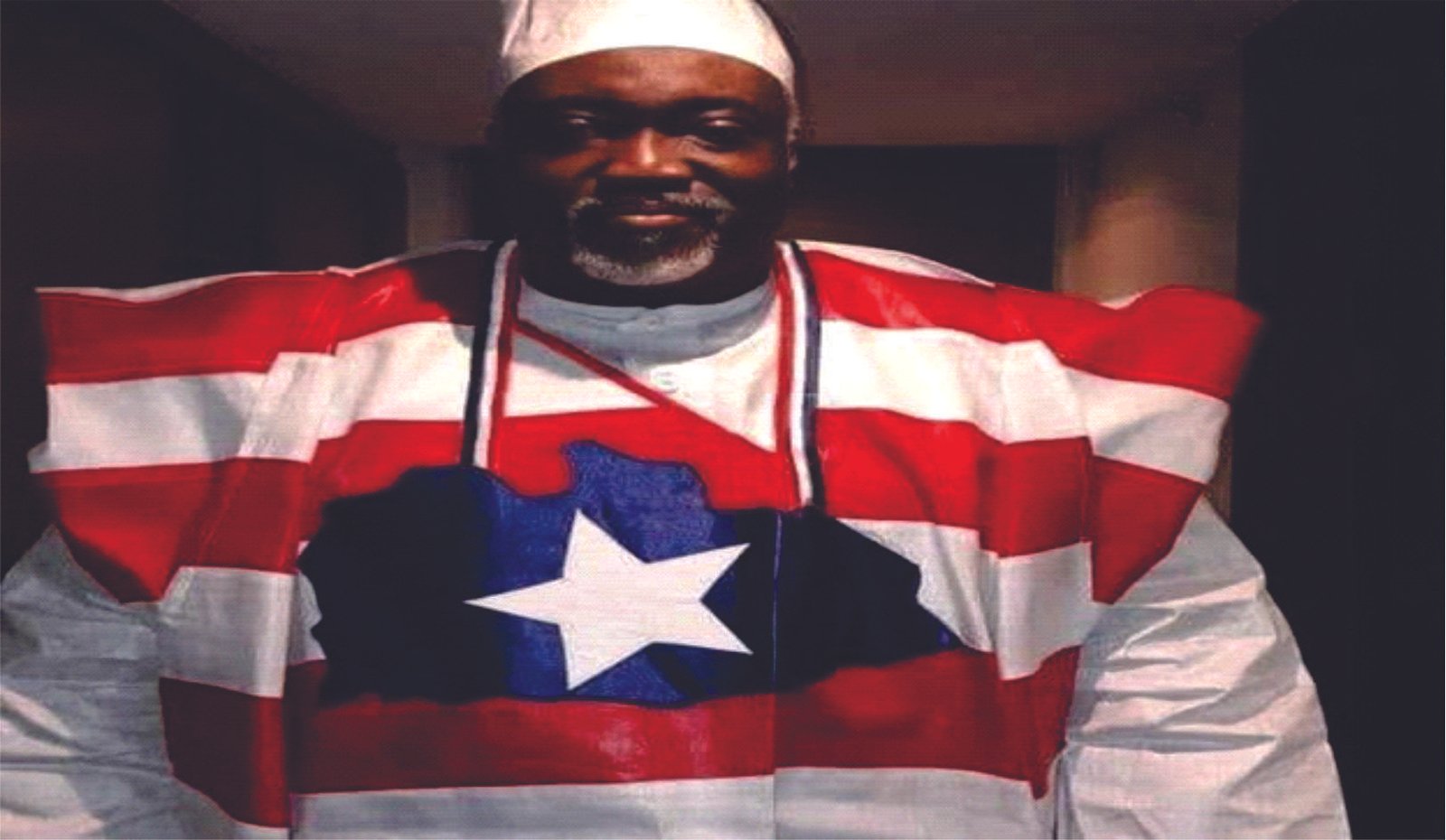
Veteran Liberian investigative journalist Philipbert Semogai Browne has released a detailed report seeking to end what he describes as “the longest political speculation in Liberia’s history” surrounding the controversial Foya Mano River Union (MRU) Project.
Writing under his column “From Where I Sit,” Browne-widely known for first exposing the “missing L$16 billion” story-asserts that the Foya project was neither a US$10 million undertaking nor a personal initiative of President Joseph Nyuma Boakai. Instead, he claims the project cost approximately US$5.5 million and was initiated without the President’s knowledge.
According to Browne’s account, the idea for the project emerged in mid-2024 following a casual remark by President Boakai to his then Minister of State, the late Sylvester Grigsby, expressing concern about instability in the Mano River Union basin and the lack of a suitable venue to host a high-level regional security meeting.
Browne alleges that Minister Grigsby, acting independently, began quietly developing the concept and enlisted the President’s nephew, architect Joe Mulbah, to design and plan what would later become the MRU Center in Foya, Lofa County.
The journalist claims the initiative was deliberately kept from President Boakai, with the intention of surprising him upon completion.
The report further stated that funding for the project was mobilized through contributions from heads of State-Owned Enterprises (SOEs), who reportedly supported the initiative both individually and collectively.
Browne emphasized that no funds came from Mano River Union member states and that the project is “100 percent Liberian-owned.”
Structurally, the project is said to comprise 15 buildings: five presidential villas, five staff quarters, and five security quarters. Each villa reportedly includes a three-bedroom residence, a presidential office, a modern kitchen, and additional facilities to accommodate accompanying staff and security personnel.
Browne notes that following the death of Minister Grigsby, financial support to the project slowed, leading to delays, including the temporary stalling of more than 60 shipping containers at a Turkish port. He adds, however, that renewed commitments from some SOEs have allowed the project to near completion.
In what he describes as key “takeaways,” Browne insists that President Boakai does not own the Foya project and had no prior knowledge of its execution.
He maintained that the project belongs to the Republic of Liberia and that the SOE leaders involved committed no wrongdoing, characterizing their actions as “honorable and noble.”
While acknowledging that the project was intended to remain a national secret, Browne says public speculation and controversy made disclosure inevitable.
The report is already generating widespread debate, with calls from some quarters for official clarification, while others see the publication as a significant intervention in a long-running national discussion over transparency, governance, and the role of state institutions in major infrastructure projects.