
Liberia, on Wednesday , February 4, 2026, welcomed banking and financial supervisors from across the West African Monetary Zone (WAMZ) as the College of Supervisors of WAMZ (CSWAMZ) officially opened its meetings at the Central Bank of Liberia (CBL) Auditorium in Monrovia.
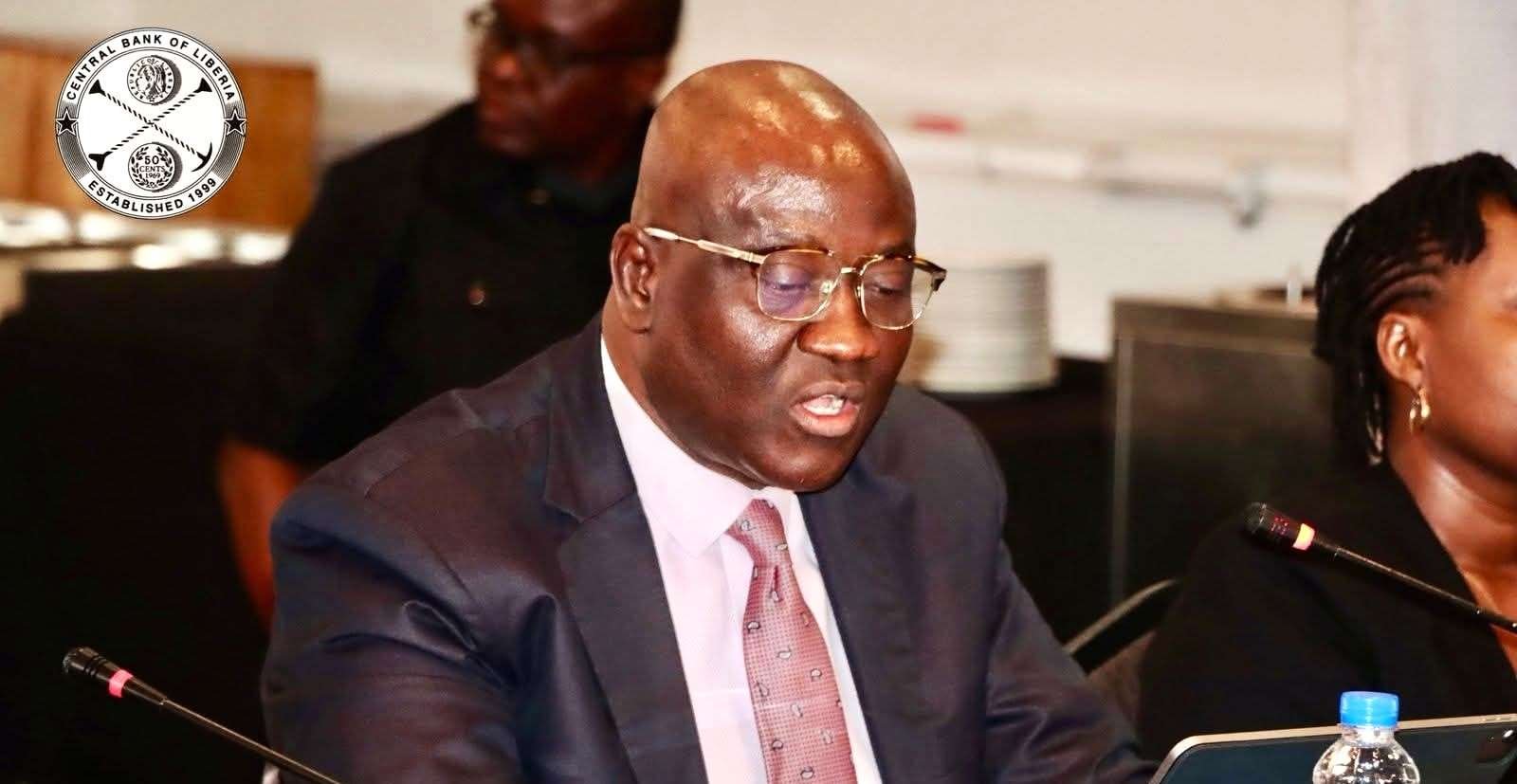
The Executive Governor of the CBL, Mr. Henry F. Saamoi speaking on behalf of President Joseph N. Boakai Sr., emphasized the pivotal role of supervisors in safeguarding financial stability and driving regional monetary integration.
“Supervisors are not merely regulators—they are architects of trust, leaders of change, and champions of unity,” the Governor declared, urging participants to embrace innovation, strengthen cross-border cooperation, and champion transparency as the foundation of financial governance.
The opening ceremony brought together top financial regulators from WAMZ member states, including Dr. Abdulsalam Sikiru Abidemi, Director General of WAMI, Dr. Baba Yusuf Musa, Director General of WAIFEM, and Mr. Boima S. Kamara, Director General of WAMA.
The gathering underscores the spirit of cooperation, solidarity, and shared purpose that underpins both the WAMZ project and the broader ECOWAS vision.
CBL Governor highlighted Liberia’s ongoing reforms to strengthen the financial sector, including the phased increase of the minimum capital requirement for banks from US$10 million to US$15 million over 2026–2028.
He also celebrated the launch of the Inclusive and Instant Payment System (IIPS) and the deployment of the National Electronic Payments Switch, which are transforming Liberia’s payments architecture and advancing financial inclusion.
The initiatives aim to increase access to formal financial services from 52% in 2025 to over 70% by 2029.
According to him, on the regulatory front, Liberia enacted the Bank-Financial Institutions and Bank-Financial Holding Companies Act, 2025, aligning domestic law with the WAMZ Model Banking Act.
He added that the legislation is aimed at strengthening corporate governance, risk management, and supervisory oversight, while complementary reforms are advancing AML/CFT supervision, cybersecurity, and operational resilience across the financial system.
According to Governor Saamoi, despite these advances, challenges persist, while stating that elevated non-performing loans (NPLs), limited long-term financing, and infrastructural and capacity constraints continue to affect the banking sector.
He, indicated that the CBL has intensified enforcement of credit regulations, enhanced collateral registries, and organized forums to develop sustainable, market-based solutions.
The CBL Governor intimated that Liberia’s macroeconomic performance in 2025 was also highlighted, with real GDP growth reaching 5.1%, inflation declining to 4%, and foreign reserve buffers improving.
The country met key IMF program criteria and two primary ECOWAS convergence benchmarks, reaffirming its commitment to institutional reforms and economic stability.
The Governor stressed that effective cross-border supervision is no longer optional but essential. “Financial risks no longer respect national borders,” he said, calling for joint inspections, coordinated intervention, and harmonized standards across member states to ensure a resilient financial system.
Concluding his remarks, the Governor invited delegates to explore Liberia’s historic sites and culture, encouraging them to contribute to the local economy while strengthening regional ties.
He formally declared the CSWAMZ meetings open, emphasizing that the future of West Africa depends on collective action, unity, and the integrity of its financial institutions.
The CSWAMZ meetings in Monrovia will focus on supervisory convergence, crisis preparedness, and measures to strengthen the WAMZ’s path toward a credible monetary union.