

By Dr. Chris Tokpah
Associate Vice President, Delaware Community College
Contributor to Verity News
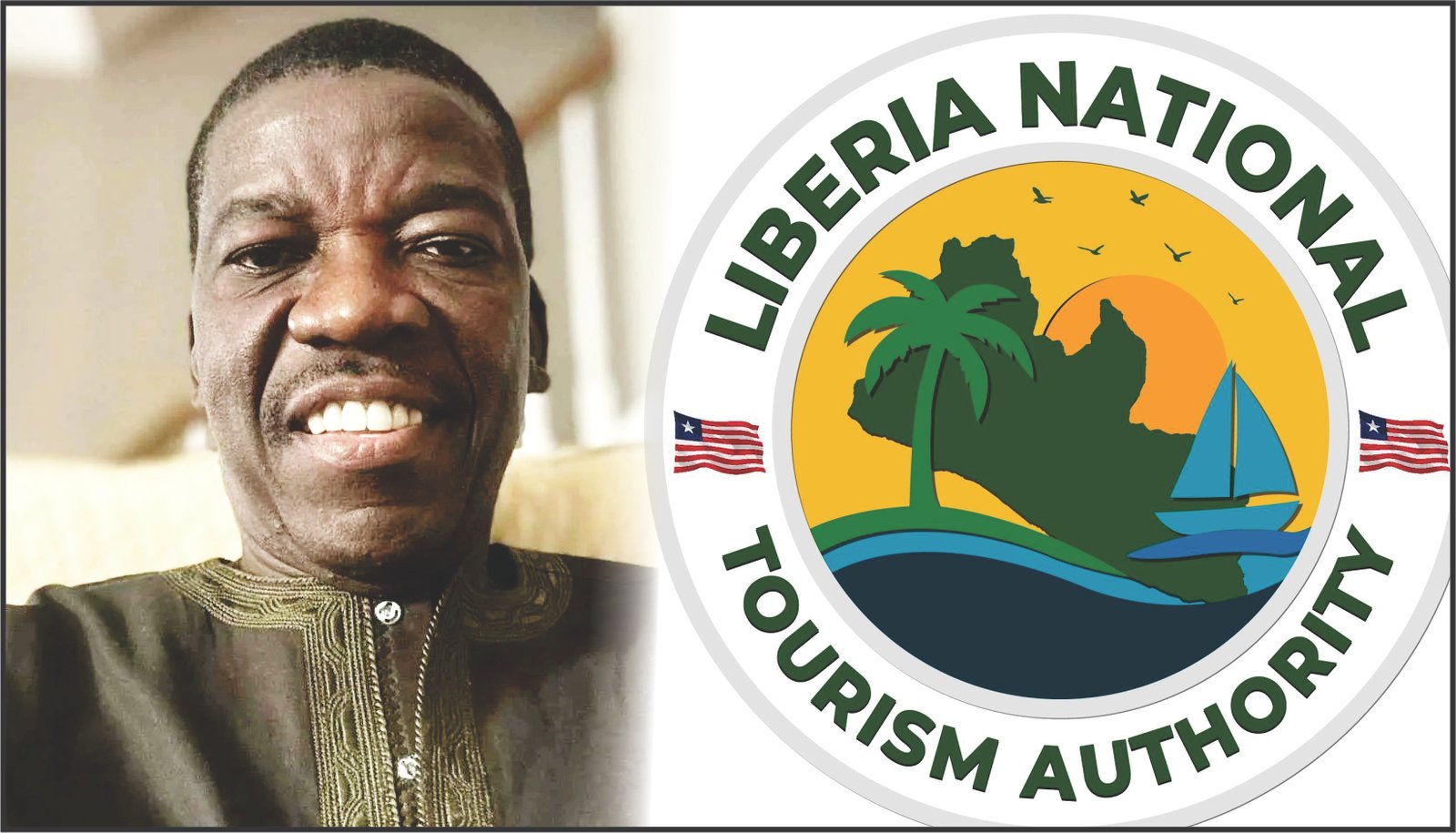
The recent licensing fees announced by the Liberia Tourism Authority have sparked debate, and rightly so. According to an April 7, 2026, press release, musicians, actors, and dancers are expected to pay US$25 annually, while content creators will pay US$50. The policy also sets fees of US$200 for restaurants without bars and fast-food shops, US$150 for barbershops and salons, depending on classification, and between US$100 and US$150 for tailor shops based on the number of machines.
On paper, these amounts may appear modest. But at a time when fuel prices are high, food costs are rising, and small businesses are struggling to keep up, even small fees can feel like a lot. The issue, therefore, is not just timing. It is the approach.
Liberia is not yet at the stage where it should focus on collecting money from its creative and tourism sectors. It should be focused on helping them grow. Across Africa, countries that are making progress in tourism and the creative economy are not starting with fees. They are starting with support, better systems, and smart policies. Liberia risks doing the opposite. The real problems in the sector are already clear. Roads to key sites are not always reliable, marketing is weak, training is limited, and many cultural assets are underdeveloped. These are the issues holding tourism back, and licensing fees do not fix any of them. If anything, they distract from them.
There is also a basic question about the structure of this policy. It treats very different types of businesses as if they all play the same role in tourism. Musicians and content creators clearly help shape Liberia’s image and attract attention. Restaurants contribute to the visitor experience. But it is less clear how barbershops or small tailoring businesses fit into a tourism licensing system. These are mostly local services that support everyday life, not visitor demand. Grouping them all under one policy stretches the definition of tourism too far and places extra pressure on businesses already operating on thin margins. Good policy should be focused and clear about its purpose.
At the same time, the economy is tight. When fuel is above $5 a gallon, everything becomes more expensive. Transportation costs increase, food prices follow, and running a small business becomes harder each day. In that kind of environment, every dollar matters. Some may say the fees are small, and yes, from a distance, $25 might not seem like much. But for a young musician trying to record a song or a cook shop owner trying to restock food, that same amount can feel like a lot. It is not extra money. It is part of what keeps business going. Policy must meet people where they are, not where we wish they were.
When businesses are under pressure, the goal should be to help them grow, not to add new costs. Otherwise, the results are predictable. Some people will delay starting a business, others will remain informal, and some will shut down altogether. That does not strengthen the economy. It shrinks it. Liberia has long spoken about moving citizens from spectators to participants in the economy, yet too often our policies still place people on the sidelines, asking them to pay before they can benefit. It is like being asked to pay school fees before the school is even built or buying a ticket to a show where the stage is still under construction.
If we want tourism to grow, the approach must change. A more practical starting point is to give new businesses room to breathe. A grace period of 2 or 3 years before licensing fees take effect would lower the barrier to entry and encourage more people to participate. When people see an opportunity, they invest their time and energy. When they see costs too early, many simply decide not to try. Where fees are eventually introduced, they should come with clear and meaningful benefits. Licensing should open doors. Musicians should be connected to festivals and events, content creators should be included in national marketing campaigns, and restaurants should receive certification and promotion that brings in customers. In this way, licensing becomes a partnership rather than just another bill.
The government should also think beyond collecting small fees and focus on building the industry itself. A Creative Economy Fund could support music, film, and digital storytelling, while partnerships with the diaspora could help promote Liberia to a global audience. Today, tourism is driven as much by visibility as by infrastructure. One strong video can reach millions of people and do more for the country than many formal reports. Instead of asking a content creator to pay $50, the better question is how to help them reach 1 million viewers. Right now, we are treating growth like an afterthought when it should be the main event. It is like trying to harvest crops before planting the seeds and then wondering why the basket is empty.
Growth is also about scale. If small businesses are given the chance to grow into strong enterprises, the government will collect far more in taxes over time than it ever will from early licensing fees. Growth, not early collection, is the real revenue strategy. There is also a longer-term opportunity that deserves attention. Tourism projects such as beachfront developments, cultural markets, and entertainment spaces can be structured so that ordinary Liberians can invest and own shares. With simple systems and strong oversight, citizens at home and in the diaspora could participate directly in the sector and benefit from its success. This idea is not new. In Ghana, companies such as Ashanti Goldfields opened ownership to the public, allowing ordinary citizens to invest, earn dividends, and build wealth alongside national industries. Liberia can adapt a similar model in its own way, and when people have ownership, they are more likely to support and grow the sector.
In the end, the question is not whether licensing should exist. It should. The real question is when and how it should happen. Liberia has everything it needs to build a strong tourism sector, including culture, creativity, and a young population full of ideas. What it needs now is the right sequence of action. Support should come first, growth should follow, and regulation should come after. If we reverse that order, we risk slowing the very progress we are trying to create. If we get it right, businesses will grow, jobs will increase, and government revenue will rise naturally. Instead of chasing small dollars today, we will build something much bigger for tomorrow.
About the Author
Dr. Chris Tokpah is the Associate Vice President for Institutional Effectiveness at Delaware County Community College in Pennsylvania, where he leads institutional research, evaluation, and accreditation activities. He also serves as a Coach for Achieving the Dream and a Peer Evaluator for the Middle States Commission on Higher Education, providing technical guidance to colleges and participating in accreditation reviews.
Dr. Tokpah holds a Ph.D. in Evaluation and Measurement from Kent State University, an MBA with an emphasis in Management Information Systems from Kent State University, and a B.Sc. in Mathematics from the University of Liberia.
He has extensive experience leading research and evaluation projects sponsored by the World Bank, IDA, Geneva Global, USAID, and the African Development Bank. He is a co-owner of the Center for Research, Evaluation, and Policy, a Liberian consulting firm specializing in strategic planning, monitoring and evaluation, social science research, and training.
Dr. Tokpah is also actively involved in development initiatives in Liberia and serves on the boards of nonprofit organizations supporting education and health services. He frequently writes on policy issues in Liberia. His writings can be found at https://cenrepliberia.org/volunteer-work, and he can be reached at ctokpah@cenrepliberia.org.