


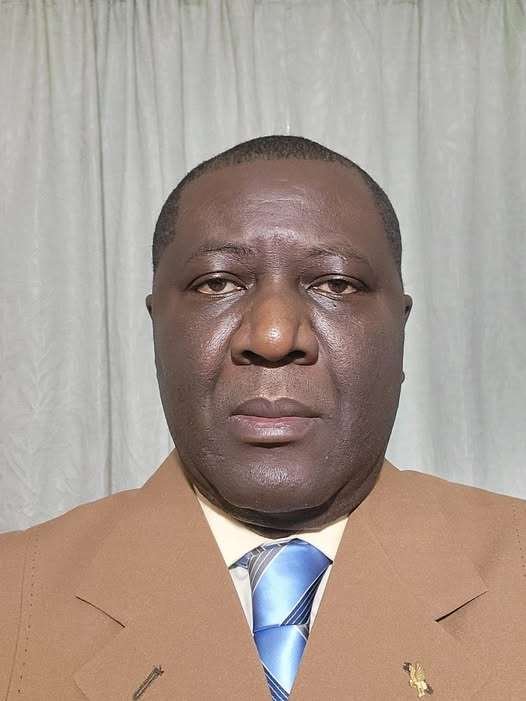
A U.S.-based Liberian activist, Norris Johnson, is calling for sweeping political reforms in Liberia, urging citizens to demand a national Recall Law that would allow voters to remove elected officials before the end of their terms. Johnson’s statement comes amid growing public debate after the House of Representatives voted this week to create 14 new electoral districts — adding 14 additional lawmakers to the Legislature.
Liberia currently has 73 representatives serving a population of approximately 5.4 million. If the Senate concurs with the House’s decision, the number would rise to 87 representatives. Johnson argues that the expansion will place an even heavier financial burden on taxpayers in a nation where most citizens struggle economically.
According to Johnson, the additional lawmakers would cost the country at least US$2.2 million annually in salaries and benefits. He describes the Legislature as one of the most expensive in the world relative to the country’s economic condition.
“How can one of the world’s poorest nations afford one of the world’s most expensive legislatures?” Johnson wrote. “It makes absolutely no sense.”
He criticized what he called long-standing structural problems—unchecked legislative power, wasteful spending, and a lack of accountability—saying they contribute to national stagnation while everyday Liberians continue to face hardship.
Johnson’s central argument is that Liberia must adopt a Recall Law that enables citizens to remove non-performing or unethical leaders before a six-year or nine-year term ends.
“My people, it makes no sense to wait six or nine long years to remove a bad leader,” he stated. “A Recall Law puts real power back into the hands of citizens.”
Johnson pointed to examples from other countries, including the United States, Taiwan, and Kenya, where recall mechanisms are used to hold elected officials accountable. He emphasized that such laws do not destabilize democracies but instead strengthen public trust by ensuring leaders remain answerable to the people.
He argued that a recall system in Liberia would:
1. Reduce corruption
2. Force elected officials to deliver measurable results
3. Protect communities from negligence or abuse of office
4. Strengthen democratic participation beyond election periods
Johnson described leadership as “a privilege, not a permanent position,” insisting that a recall process would revive citizen confidence and restore power to voters.
The call for a Recall Law comes at a time when many Liberians are questioning the priorities of their elected officials. Critics argue that the decision to expand the Legislature—without first addressing issues like healthcare, education, youth unemployment, and infrastructure—is misplaced.
Johnson’s remarks add to rising pressure on policymakers as civil society groups, activists, and community leaders intensify calls for governance reforms.
He concluded his message with a rallying appeal:
“It is time to return real power to the people. It is time for a Recall Law in Liberia. The time is now.”
The national conversation on legislative accountability and political reform is expected to continue in the coming weeks as citizens, lawmakers, and advocacy groups debate the future of Liberia’s democracy.