


By Danesius Marteh
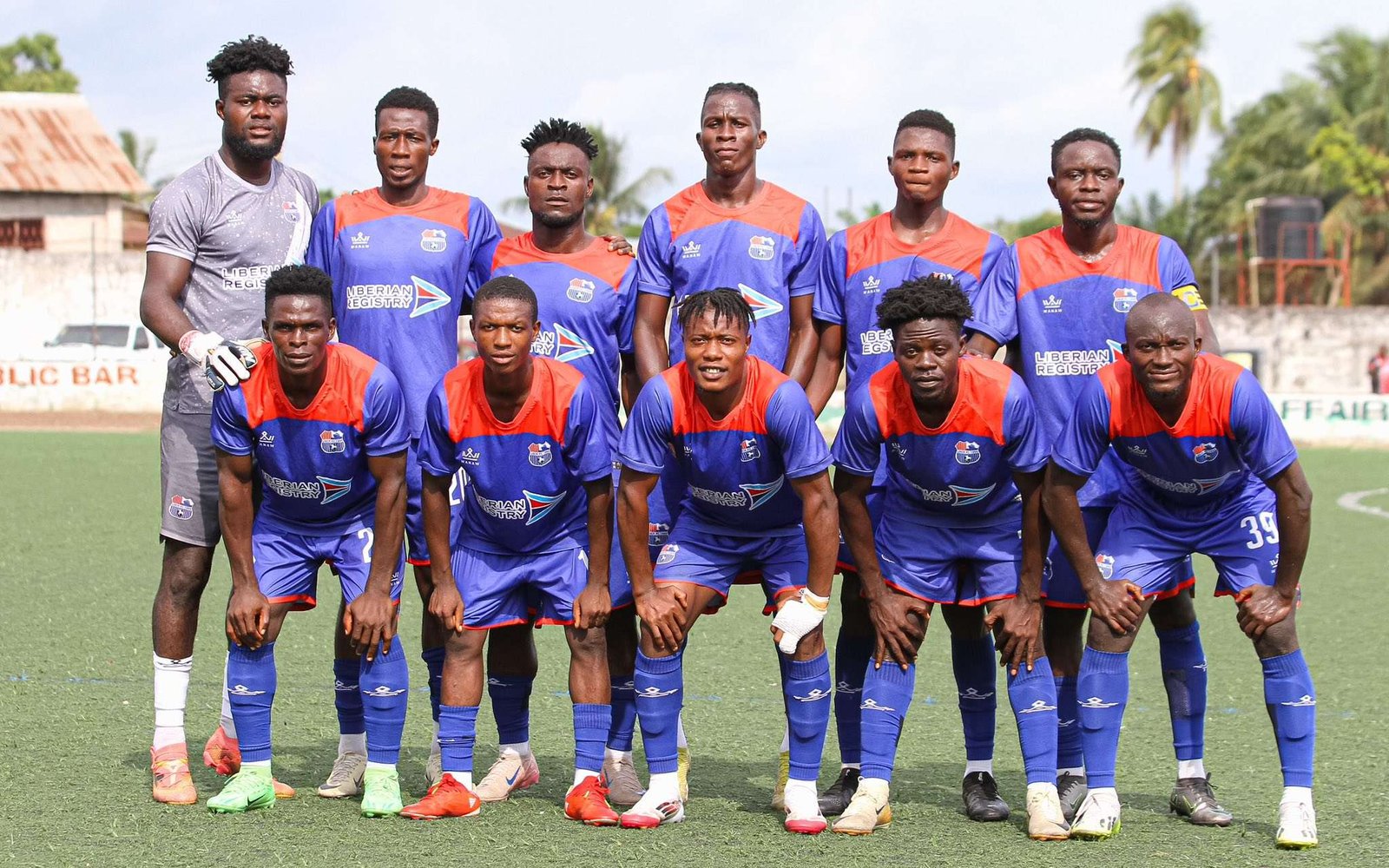
How did LISCR FC, owned by Liberia Football Association (LFA) President Mustapha Ishola Raji, train at the George Weah technical center in Careysburg, Montserrado County for more than two hours on 5 December?
Your guess is as good as mine because the facility has been closed for months by the LFA awaiting major renovations.
Shaita Angels, Shaita FC and Falconets FC, who are based in Careysburg, have been denied from training at the venue but footages emerged of LISCR training on Friday.
Residents of Careysburg soon began to protest outside the gates against the preferential treatments given to LISCR.
When was the facility opened, why did LISCR go there knowing that the stadium is closed, who allowed LISCR in knowing the stadium is closed, was this LISCR’s first time training at the stadium and how many times have LISCR trained without the public knowing were questions sent to Raji, LFA secretary-general Emmett Crayton and LISCR public relations officer Theophilus Kla Wesley.
Neither Raji nor Kla responded to the inquiries up to press time but Crayton forwarded a release from the LFA in which Joseph Somah and Sebastian Collins were suspended for month. The release didn’t say without pay.
Somah is facility manager while Collins is Raji’s special assistant, men’s senior national team administrative manager and LFA transfer matching system manager.
Sources within the LFA say the images, which circulated on social media, brought an embarrassment to Raji and the LFA and a meeting was convened to engage in damage control.
But LISCR, one of the culprits in the broad day violation, was left untouched.
Former Sinoe NPA President Emmett Blayee is wondering why LISCR wasn’t punish.
“In administration and politics, we called this damage control. If the LFA is serious about its stance and not a cover-up, let it establish an independent investigative committee and include LISCR FC into the investigation,” Blayee wrote in the Talk Liberian Football (TLF) chat room on WhatsApp.
Ernest Wollo, a student studying law in Kigali, Rwanda, believes LISCR share liability because they knowingly benefited from wrongdoing.
“Under legal principles like unjust enrichment, accessory liability and the duty of good faith, a party that gains from an unlawful act or participates in it directly or indirectly can be held responsible for the resulting harm,” wrote Wollo in the TLF platform.