
A recent decision by the Supreme Court of Liberia involving social media commentator Prophet Key has ignited nationwide debate over the constitutional limits of free speech.
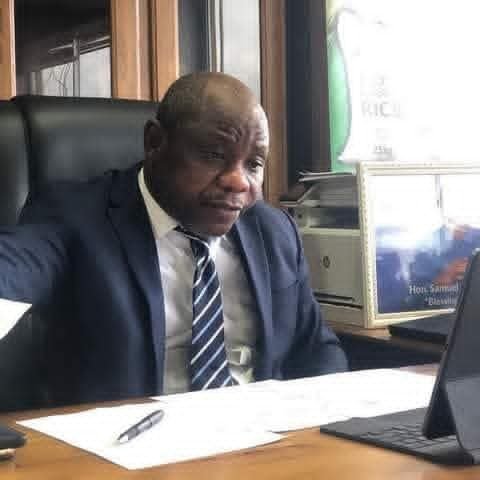
“This moment calls for calm legal reflection, not political emotion. The Court has not stripped anyone of free speech rights; it has clarified the boundaries within which those rights operate,” former Finance Minister Samuel D. Tweah Jr., stated.
The case stems from contempt proceedings against Justin Oldpa Yeazehn, popularly known as Prophet Key, over a series of social media posts in which he used insulting language directed at the Chief Justice and other members of the judiciary.
According to Tweah, “Criticism of public officials is a democratic necessity, but democracy does not license the use of degrading or abusive language that infringes on the dignity of others.”
In its ruling, the Court held that offensive language- including profanity and personal attacks on private individuals- does not enjoy constitutional protection when it violates the rights of others or undermines public order.
Tweah defended that interpretation, stating, “Free speech protects ideas, arguments, and even harsh criticism. It does not protect invectives designed solely to demean or inflame.”
Critics have described the decision as overly broad, warning it could chill robust public discourse. Supporters counter that the ruling merely clarifies the boundaries of protected expression under Liberia’s 1986 Constitution.
Responding to concerns about judicial overreach. Every constitutional democracy must define where one citizen’s rights end and another’s begin. That definitional task ultimately rests
with the Supreme Court,” Tweah said.
The controversy escalated after Prophet Key was cited for contempt for repeated invectives which the Court said exposed the judiciary to public ridicule and disrepute.
Before the Full Bench, he admitted some of his remarks were inappropriate and apologized, pledging to refrain from similar conduct in the future.
Tweah described the apology as “an acknowledgment that free speech carries responsibility,” adding, “The digital age has amplified voices, but amplification does not erase accountability.”
Many Liberians, including legal experts note that Liberia’s Constitution safeguards freedom of expression while empowering the Supreme Court to interpret its limits, particularly when it conflicts with other constitutional rights or the public interest.
“The ruling seeks balance. It preserves the right to allege corruption, demand transparency, and challenge authority- but it removes legal protection from speech that targets private individuals or promotes harm,” Tweah emphasized.
The decision is expected to set an important precedent in how Liberian courts address conflicts between digital speech and constitutional protections.
According to Tweah, this ruling may shape public discourse in an era where online commentary increasingly influences political debate.
“This is not the end of free speech as we know it. It is the maturation of free speech in a democracy that is consolidating peace, unity, and institutional respect,” Tweah concluded.
As the national conversation continues, the ruling underscores a central constitutional principle: free speech remains a cornerstone of Liberia’s democracy, but it is not unfettered- and the rights of all citizens, including those outside public office, must be respected.