

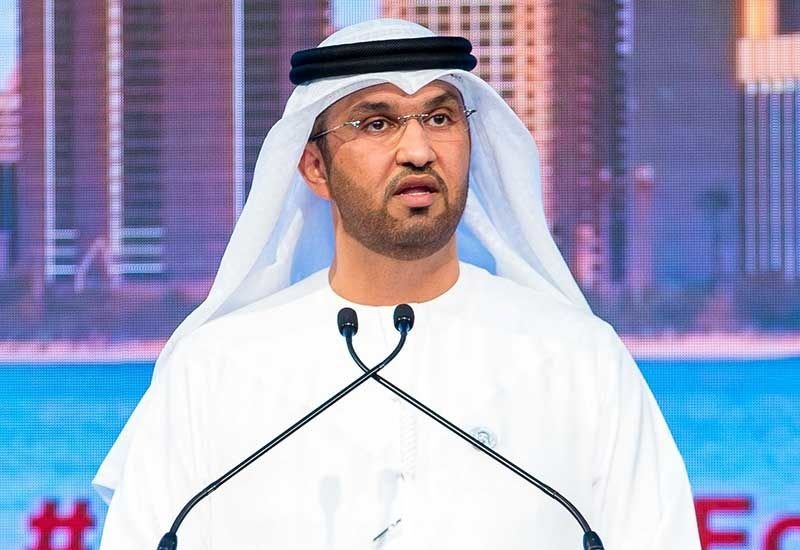
By Dr. Sultan Al Jaber, CEO of ADNOC
“Open the Strait unconditionally – no strings attached
This moment requires clarity. So let’s be clear: the Strait of Hormuz is not open. Access is being restricted, conditioned and controlled.
Iran has made clear – through both its statements and actions – that passage is subject to permission, conditions and political leverage. That is not freedom of navigation. That is coercion.
The Strait was not built, engineered, financed or constructed by any state. It is a natural passage governed by the United Nations Convention on the Law of the Sea, which guarantees transit as a matter of right; not a privilege to be granted, withheld or weaponized.
Conditional passage is not passage. It is control by another name.
The Strait must be open – fully, unconditionally and without restriction. Energy security and global economic stability depend on it. The weaponization of this vital waterway, in any form, cannot stand. This would set a dangerous precedent for the world – undermining the principle of freedom of navigation that underpins global trade and, ultimately, the stability of the global economy.
An estimated 230 vessels sit loaded with oil and ready to sail. They, and every vessel that follows, must be free to navigate this corridor without condition. No country has a legitimate right to determine who may pass and under what terms.
Energy producers must be able to swiftly and safely restore production at scale.
At ADNOC, we have loaded cargoes and we will expand production within the constraints of the damage we have suffered. We have a responsibility to our customers and our partners to move them, as long as the safety of our people is ensured.
Markets remain at a critical crossroads. The final cargoes that transited the Strait of Hormuz before the conflict are now arriving at their destinations.
This is where the paper traded markets are meeting physical reality, and the 40-day gap in global energy flows is truly exposed.
The immediate priority is clear: close that gap. Restore the more than 20% of globally traded energy that flows through this corridor. Rebalance markets. Ease the pressure on prices and the cost of living.
This is particularly urgent for Asia, where 80% of these cargoes are bound and half the world’s population lives.
Every day the Strait remains restricted, the consequences compound. Supply is delayed, markets tighten, prices rise. The impact is felt beyond energy markets, in economies, industries and households worldwide. Every day matters. Every delay deepens the disruption.
The UAE has reiterated its position that following the substantial and illegal attacks on UAE civil and energy infrastructure, Iran must be held accountable and fully liable for damages and reparations.
Stability now depends on restoring real flows. Not partial access, not temporary measures, not controlled passage, but full and reliable supply.
That is how we slow the economic shockwave already moving through the system.”