


Written by James Stuffield
A legal Practitioner
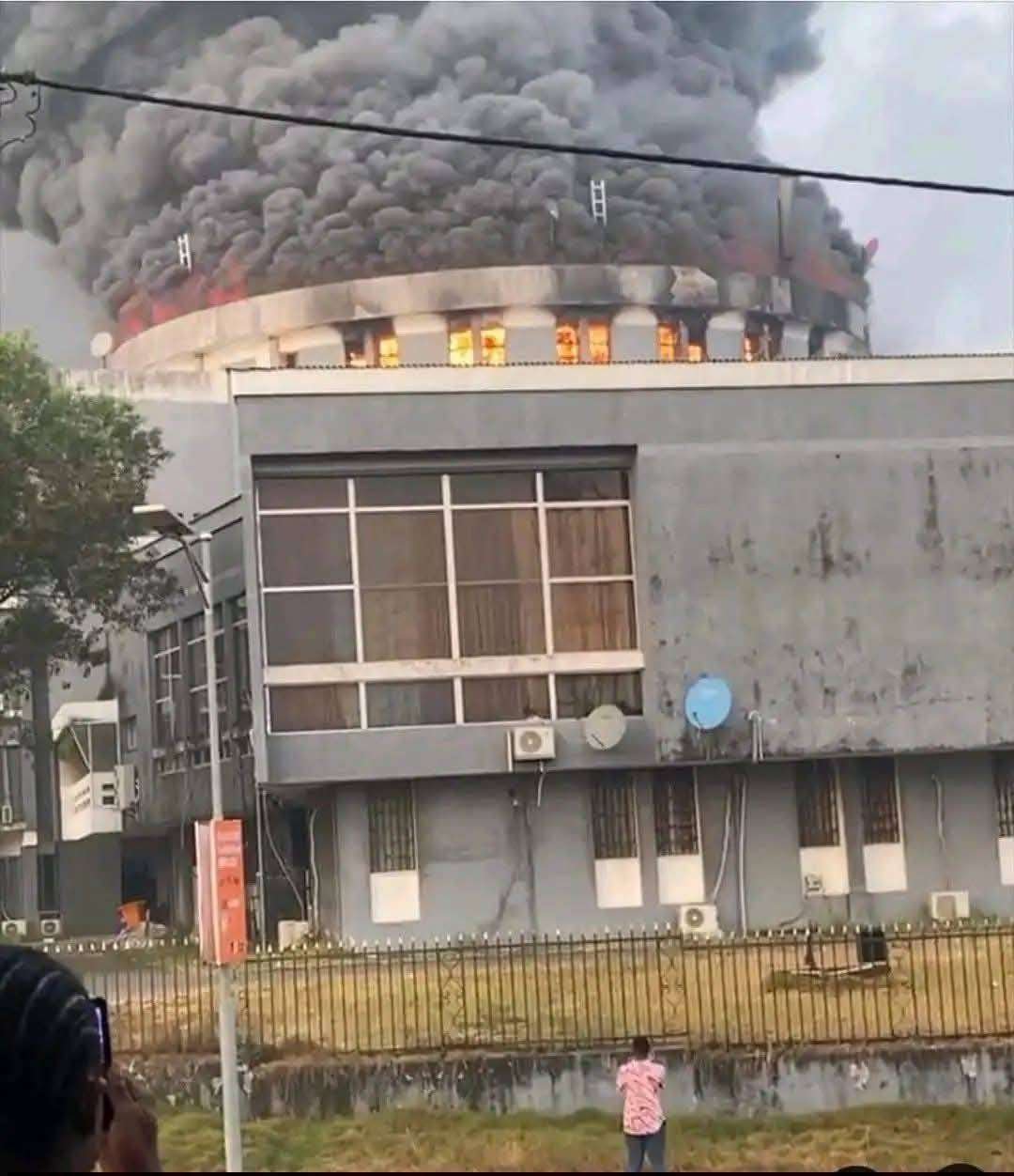
The court should honor the Government of Liberia’s motion for a change of venue in the Capitol arson case in order to protect the constitutional guarantee of a fair and impartial trial.
In matters of such national importance, the judiciary must ensure that the proceedings are insulated from external pressures that could influence jurors or distort the administration of justice. The Capitol fire of December 2024 shocked the nation and generated intense public debate. In circumstances where the public narrative surrounding a case becomes highly charged, a change of venue becomes an important legal safeguard to ensure that the verdict is based solely on evidence presented in court rather than on public sentiment.
In previous rulings, the court has already demonstrated its firm commitment to protecting the integrity of the judicial process, particularly where the jury system is concerned. In a separate matter before Criminal Court “A,” presided over by Resident Circuit Judge Roosevelt Z. Willie, the court found Mr. Sattiah A. Sattiah guilty of unlawfully communicating with and harassing the Judiciary’s Jury Manager, Cllr. Andrew Nimley, in violation of Section 12.43 of Liberia’s Penal Law.
The court held that Sattiah’s conduct amounted to an attempt to improperly influence the judicial process and imposed fines on him and his co-defendant. That ruling reinforced a fundamental principle of criminal justice in Liberia: that any attempt to interfere with jurors or the judicial process is unacceptable and punishable under the law. By the same reasoning, the court must now consider whether the current environment in Montserrado County poses similar risks to the integrity of the jury process.
The government’s motion for change of venue rests heavily on the argument that extensive media publicity surrounding the case has created an atmosphere that could compromise the selection of an impartial jury. Since the preliminary examination stage at the Monrovia City Court through the current proceedings at Criminal Court “A,” the defendants have reportedly engaged in multiple media interviews while the matter remains before the court. Prosecutors contend that these interviews have generated a wave of commentary and narratives that may shape public opinion about the case. When a case becomes the subject of continuous public discussion in the media, it becomes increasingly difficult to ensure that jurors will approach the trial without preconceived views.
Importantly, the court has long maintained that matters already before the judiciary should not be publicly debated in a manner that could prejudice the proceedings. The doctrine of sub judice exists precisely to prevent parties or interested individuals from using the media to influence public perception while a case is pending before the courts.
When litigants or their supporters continue to discuss the merits of a case publicly, it risks dissuading the public mind from the actual facts that will be tested through evidence and testimony in court. Such commentary has the potential to misinform the public, undermine confidence in the judicial process, and create an environment where jurors may feel pressured by prevailing public opinions.
These circumstances have created what it describes as “local excitement” in Montserrado County. In legal terms, a heightened level of public interest combined with widespread commentary about the case may impair the ability of potential jurors to deliberate objectively. Because the reported crime occurred in Monrovia and has been widely discussed across radio talk shows, social media platforms, and community gatherings, many potential jurors may already have been exposed to narratives that could affect their neutrality.
Another factor supporting the government’s request is the earlier turbulence reported during the proceedings, including the disbandment of jurors at a prior stage of the case. Such a development indicates that concerns about the integrity and independence of the jury pool are not merely speculative but have already manifested in the course of the trial process. When jurors are exposed to outside influences or public commentary related to a case, the court must take steps to prevent any compromise of the fairness of the proceedings.
Liberian law recognizes that in situations where an impartial jury cannot be reasonably secured within the county where the indictment was returned, the court may order a change of venue to another jurisdiction. This procedural safeguard exists to ensure that the administration of justice remains fair and credible. By transferring the case to a nearby county with less intense public scrutiny, the court would increase the likelihood of selecting jurors who have not been heavily exposed to the ongoing public discourse surrounding the matter.
Granting the motion would also help preserve the credibility and independence of the judiciary in the eyes of the public. The Capitol arson case involves serious allegations, including arson, attempted murder, and criminal conspiracy, against individuals who are politically prominent. In such circumstances, it is especially important that the judicial process be seen as transparent, impartial, and free from political or public pressure.
Furthermore, the gravity of the these offense cannot be ignored. The burning of sections of the Capitol Building, which houses the Legislature of the Republic of Liberia, was not merely a property crime but an attack that threatened the functioning of a core democratic institution. The public therefore expects that those who reportedly carried out or facilitated these actions will be held accountable through a fair and lawful judicial process. Ensuring that the trial takes place in an environment where justice can be administered without interference is essential to achieving that objective.
Finally, granting the change of venue would not prejudice the rights of the defendants. Instead, it would strengthen the legitimacy of the entire process by ensuring that the verdict, whatever it may be, is rendered by an impartial jury based solely on the evidence presented in court. This matter has already been pending for a considerable period, and the pursuit of justice should not be delayed further by circumstances that could compromise the fairness of the trial.
By honoring the government’s request, the court would reinforce the rule of law, protect the integrity of the judicial process, and ensure that those responsible for the alleged Capitol arson are made to account through a credible and impartial trial.