


By G. Watson Richards
The Ministry of Youth and Sports has announced the resumption of its 2025 Skills for Work Program for motorcyclists, an initiative aimed at expanding employment opportunities and reducing economic vulnerability among young people in Montserrado County.
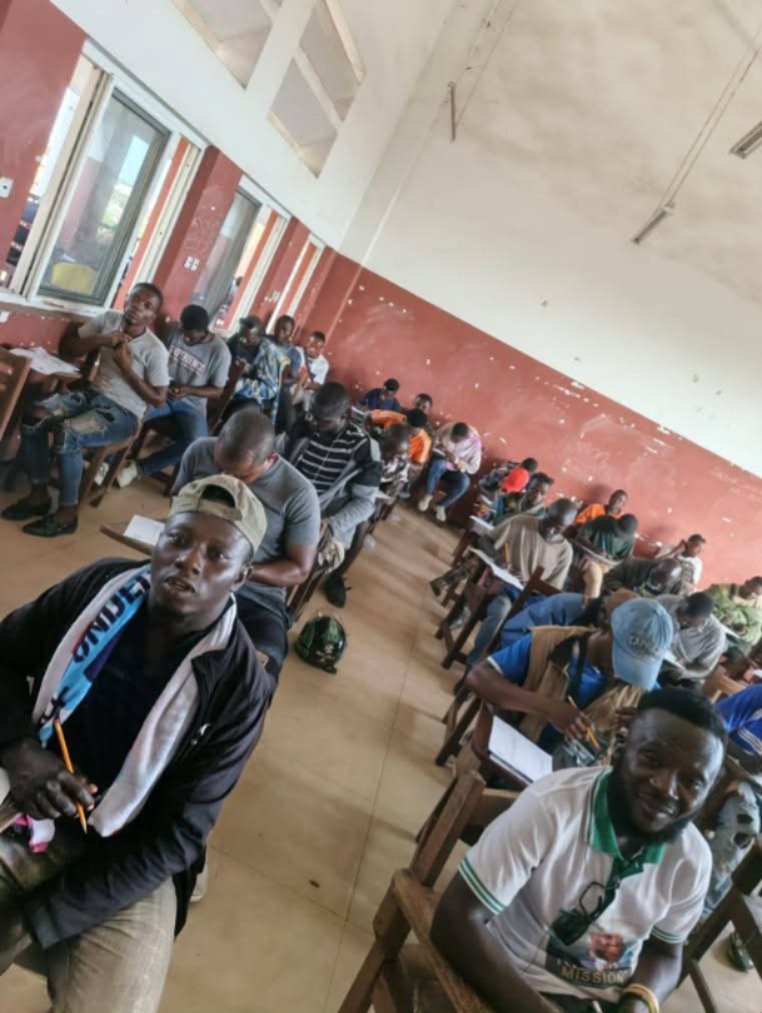
The program, implemented under the Skills for Work Accelerated Program (SWAP), will award scholarships to 100 top-performing candidates who successfully passed the MVTC entrance examination conducted in October 2025.
Designed to broaden economic opportunities, the initiative seeks to equip participants with practical, income-generating skills beyond commercial motorcycle riding, enabling them to transition into alternative livelihoods.
According to the Ministry, the program reflects a strategic push to promote sustainable employment and encourage skills diversification among Liberia’s youth.
“The Ministry of Youth and Sports announces the resumption of the 2025 Skills for Work Program for Motorcyclists, with scholarships awarded to 100 top-performing candidates from the MVTC entrance exam… This initiative is equipping motorcyclists with practical, income-generating skills beyond riding-driving a true paradigm shift in youth empowerment.”
The Ministry is urging all motorcyclists who sat the October 2025 examination to visit the MVTC campus to verify their names as part of the enrollment process.
Registration for successful applicants began on April 6 and will continue through April 15, 2026. Authorities have also confirmed that all training materials and uniforms will be provided free of charge to qualified candidates, removing financial barriers to participation.
The Ministry noted that the program forms part of broader national efforts to strengthen technical and vocational skills, reduce unemployment, and advance economic empowerment among young people.
The initiative comes at a time when many young Liberians, particularly commercial motorcyclists, are seeking alternative career pathways amid changing economic conditions.
The Ministry emphasized that expanding access to vocational training remains critical to building a more resilient and inclusive workforce.