

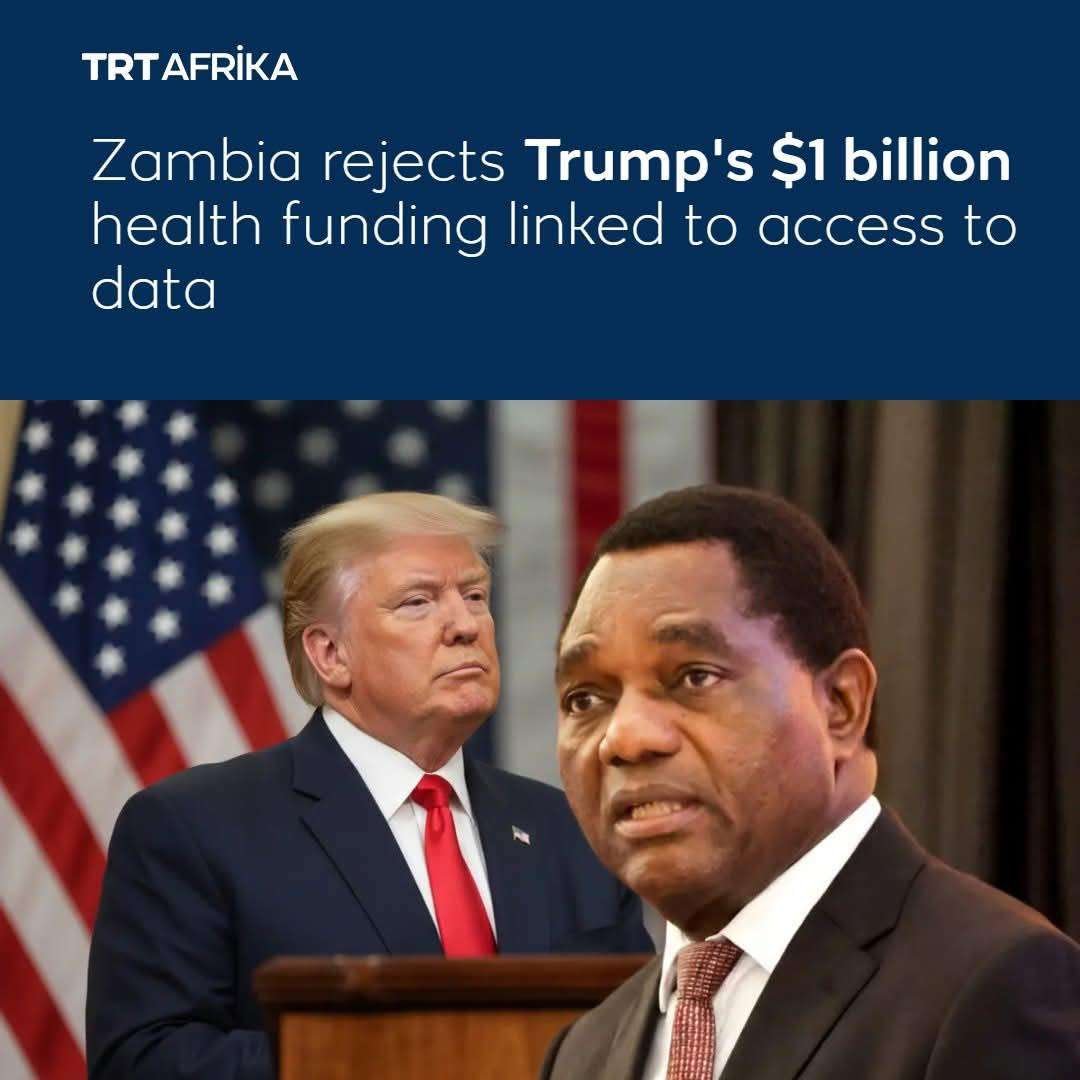
Lusaka — Zambia has become the latest African nation to decline a health funding package offered by the United States, citing concerns over provisions that would grant access to sensitive health and personal data of its citizens.
Government officials in Lusaka said the proposed funding arrangement, while financially significant, included conditions requiring extensive data-sharing agreements. Authorities argued that such terms raised serious questions about national sovereignty, privacy protections, and the security of confidential medical records.
In a statement issued by the Ministry of Health, officials emphasized that Zambia remains open to international partnerships but would not compromise the constitutional rights of its people. “Public health cooperation must be grounded in mutual respect and strict adherence to data protection laws,” the statement read.
The decision places Zambia among a growing number of African countries that have pushed back against elements of the U.S.-backed initiative.
Critics of the package say the data-access requirements are overly broad and lack sufficient safeguards, while supporters argue the measures are intended to improve transparency, accountability, and the effectiveness of funded health programs.
Analysts say the move reflects increasing assertiveness among African governments in negotiating foreign aid agreements, particularly where digital governance and data sovereignty are concerned. Over the past decade, countries across the continent have strengthened data protection frameworks amid rapid growth in digital health systems and biometric identification programs.
The U.S. administration has defended the funding model as a mechanism to ensure proper monitoring of health outcomes and prevent misuse of funds. However, negotiations with several governments remain ongoing.
For Zambia, officials said alternative financing mechanisms and partnerships are being explored to support public health priorities without compromising citizen data.