


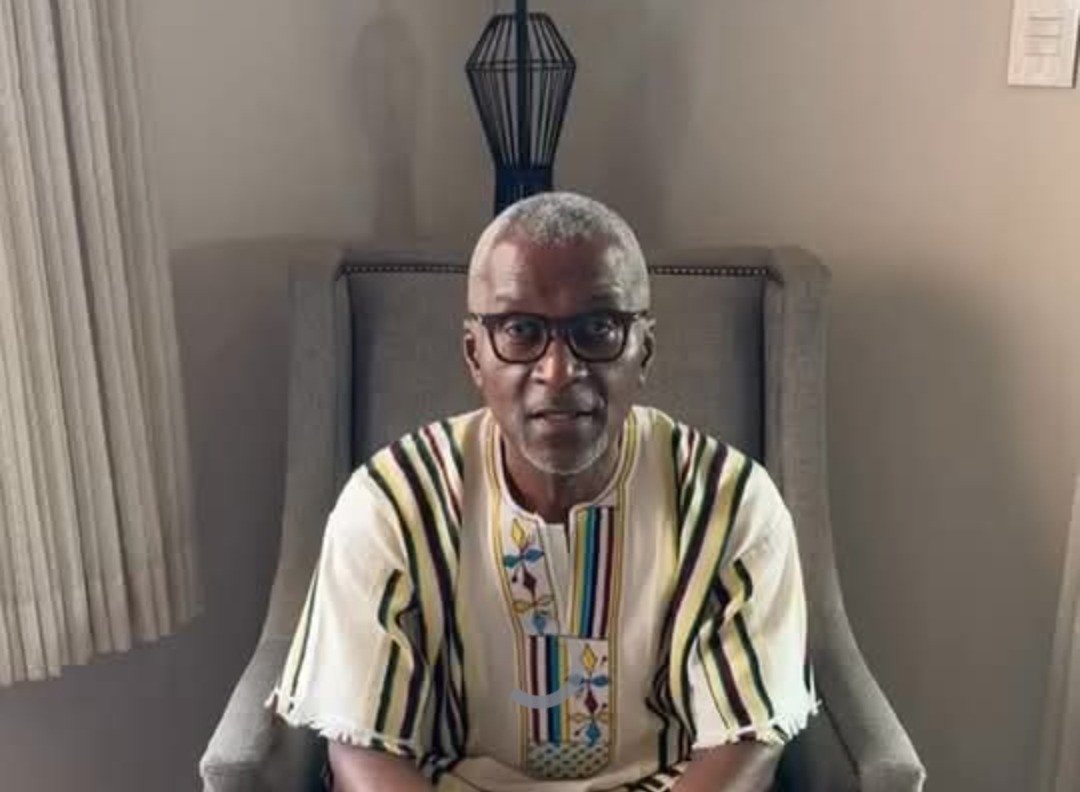
MONROVIA — Political leader of the Alternative National Congress, Alexander B. Cummings, has sharply criticized Liberia’s concession system, describing it as ineffective and failing to deliver meaningful benefits to ordinary citizens.
In a public address delivered as part of a new series aimed at engaging national issues, Mr. Cummings said Liberia must rethink how it manages and profits from its vast natural resources, warning that the country risks repeating past mistakes if urgent reforms are not implemented.
“Liberia cannot continue doing the same things over and over and expect different results,” Cummings emphasized, noting that the current model has consistently undervalued the country’s resources while leaving citizens in poverty.
Concerns Over Concession Agreements
Cummings pointed to ongoing discussions surrounding mining activities in regions such as Bong County, highlighting concerns about whether Liberia is receiving a fair share from its mineral wealth.
Referencing available data, he noted that large quantities of gold have been extracted with significant market value, yet questioned how much of that revenue directly benefits the Liberian people.
“This is not just about one company or one concession,” he said. “It is about the entire system how we negotiate, structure, and enforce agreements tied to our natural resources.”
A System Rooted in the Past
According to Mr. Cummings, Liberia’s concession framework dates back to the post-war era under former President Charles Taylor, when the country, emerging from conflict, offered highly favorable terms to attract foreign investors willing to take risks.
While acknowledging the necessity of such arrangements at the time, he argued that successive governments including the current administration have continued to operate under similar terms without significant reforms.
“The conditions that justified those agreements no longer exist, yet we are still using the same model,” he said.
Impact on Local Communities
Mr Alexander Cummings cited mining communities such as Weasua in Gbarpolu County as examples of the system’s failure, describing areas rich in minerals but lacking basic infrastructure, including schools, hospitals, electricity, and reliable telecommunications.
“These communities produce wealth for the country, yet remain underdeveloped. When the resources are exhausted, the people are left with nothing,” he added.
Proposed Alternatives
To address these challenges, Mr. Cummings proposed a shift toward more equitable and transparent models, including:
Production-sharing agreements, where Liberia would receive a defined percentage of extracted resources rather than relying solely on royalties and taxes.
State participation through a national resource company, allowing the government to hold equity stakes in major extraction projects.
Improved economic analysis and negotiation capacity, ensuring Liberia fully understands the value of its resources before entering agreements.
He stressed that adopting such approaches would enable the government to generate more revenue to support critical sectors, including education, healthcare, and security.
Call for National Rethinking
Cummings concluded by urging policymakers and citizens alike to reconsider how Liberia manages its natural wealth, emphasizing that sustainable development depends on strategic decision-making.
“If we fail to change our approach, we will continue to see the same results wealth leaving the country while our people struggle,” he warned.
The ANC leader indicated that his issue-based engagement series will continue, focusing on practical solutions to Liberia’s economic and governance challenges.