


By: Archie Boan
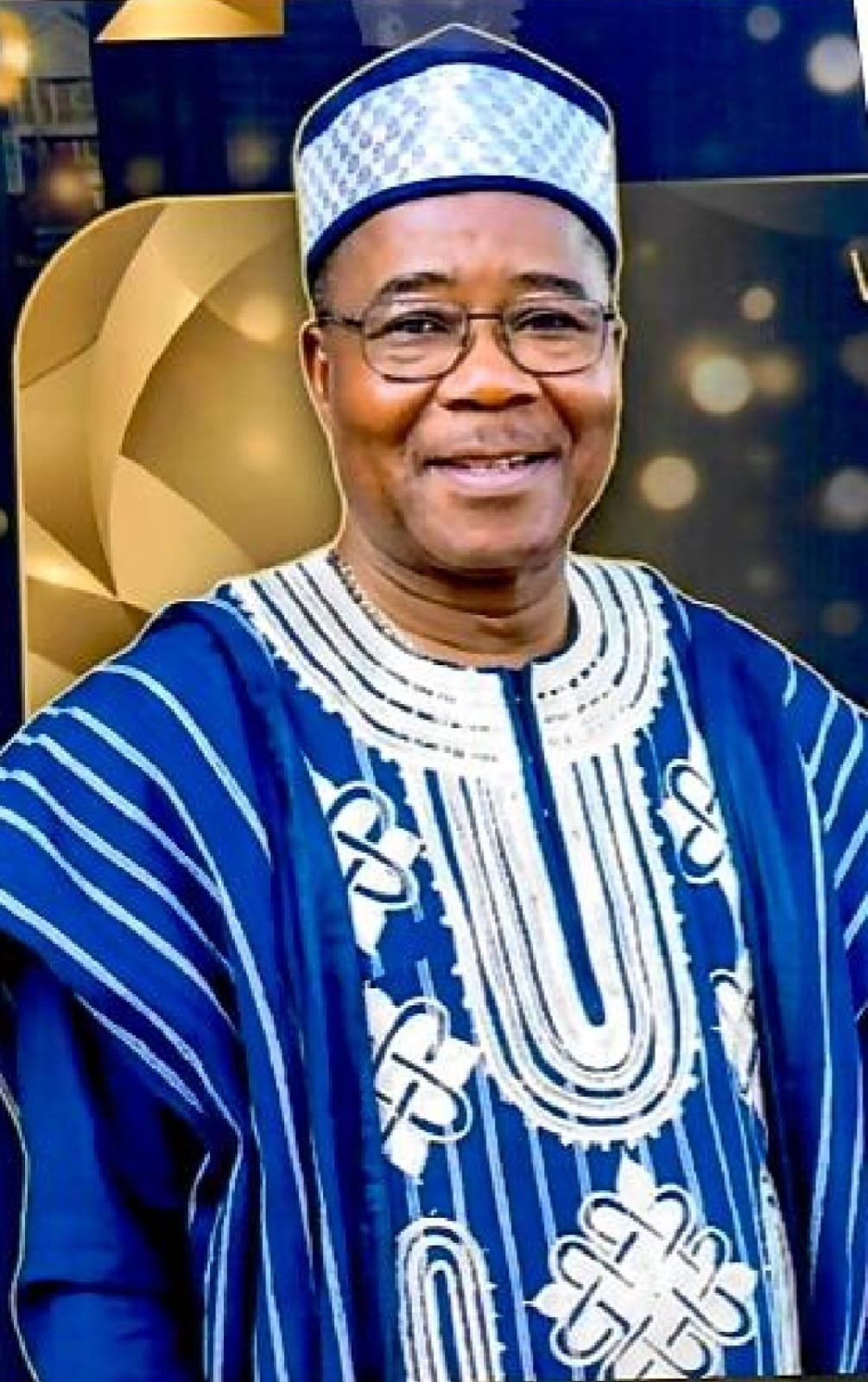
Former President of the Grand Gedeh Association in the Americas (GGAA), Henry K. Glay, has thrown strong support behind Liberian President Joseph Nyuma Boakai for halting the controversial Putu Mountain concession process, describing the move as a “bold and necessary step” toward accountability and inclusive governance.
President Boakai recently ordered the immediate suspension of the transfer of the Putu Mountain iron ore concession, citing the need to reinforce existing agreements and ensure proper scrutiny of the process. The decision has sparked reactions among stakeholders, particularly citizens of Grand Gedeh County at home and in the diaspora.
In a statement issued from Washington, D.C., Glay said the President’s action aligns with longstanding calls for a more comprehensive and participatory approach to decisions surrounding the Putu Mountain concession.
“This is not just about economic gains,” Glay stressed. “It is about environmental protection, social equity, and ensuring that the people most affected by this concession have a meaningful say.”
He emphasized that any future agreement must involve broad consultations with key stakeholders, including the Grand Gedeh Legislative Caucus, traditional leaders, youth and women groups, civil society actors, and diaspora organizations such as the GGAA and the Putu Apoleagbo group.
Glay further noted that Putu Mountain historically linked to the identity of Grand Gedeh County carries not only economic significance but also deep cultural and environmental value.
The area, once referred to as Gedeh Mountain before its renaming during the administration of former President Charles Taylor, remains central to the county’s heritage.
Calling for a “holistic review,” Glay proposed the establishment of an independent, multi-sectoral committee to conduct a full assessment of the concession. According to him, such a body should evaluate the economic potential of the resource, environmental risks, and social implications for communities likely to be impacted.
He also recommended county-wide and diaspora town hall meetings to ensure transparency and capture diverse perspectives.
“The suspension creates a critical opportunity to avoid the mistakes of the past,” Glay said, referencing previous concession agreements that led to distrust and social tension in Grand Gedeh.
The former GGAA leader urged the government to prioritize job creation and human capacity development for young people in the county, ensuring they are equipped to benefit from any future operations tied to the concession.
Glay concluded by encouraging Grand Gedeans to seize the moment to engage in constructive dialogue, adding that a transparent and inclusive process would ultimately serve both the county and Liberia at large.