
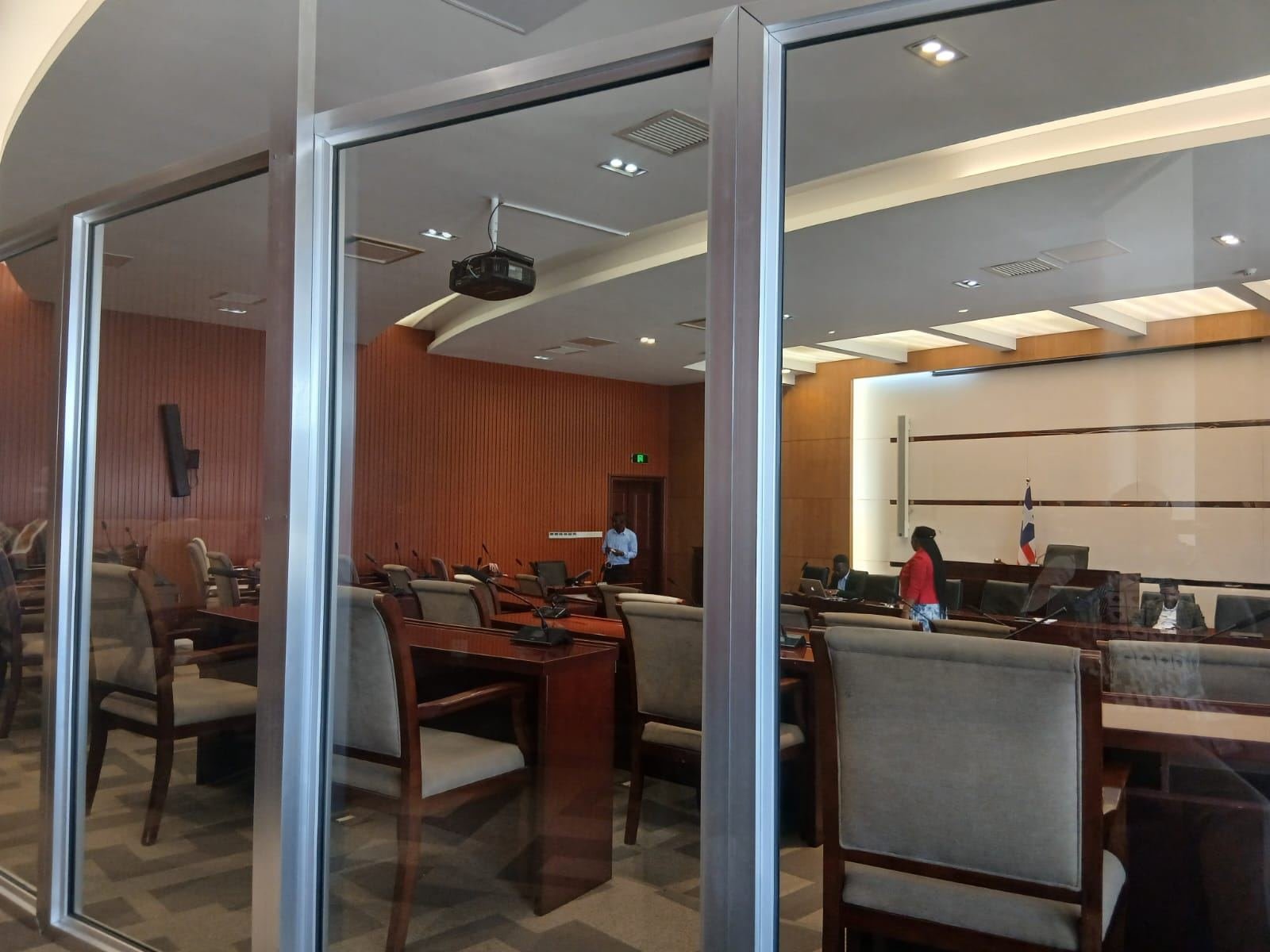
The Liberian Senate is facing growing criticism over what many observers and political pundits describe as a troubling and consistent pattern of prolonged closed-door meetings that routinely delay official public proceedings, in apparent violation of its own Standing Rules.
Despite clear provisions under Standing Rules Article V, Section 5.1 requiring plenary sessions to begin at 10:00 a.m., senators are increasingly convening behind closed doors for hours, only to emerge briefly into public session before quickly adjourning for the day.
In several instances, senators reportedly remain in executive or closed-door deliberations until 2:00 p.m. or even 3:00 p.m., while the official public session the portion meant for transparency, debate, and accountability lasts only a few minutes before adjournment.
The recurring practice has sparked public frustration and renewed concerns about transparency, legislative productivity, and respect for institutional rules.
Critics argue that the Senate is gradually normalizing secrecy while sidelining the public business of governance.
“It defeats the purpose of a public legislature when lawmakers spend nearly the entire day behind closed doors and only appear publicly to adjourn,” one political observer noted.
The Senate leadership has yet to provide concrete explanations for the habitual delays or justify why public sittings consistently fail to commence at the constitutionally and procedurally expected time.
Observers say the trend raises serious questions about accountability, especially as critical national issues requiring legislative attention continue to mount.
The Liberian Senate’s Standing Rules were established to ensure order, discipline, and predictability in legislative proceedings. However, the persistent late starts and lengthy private consultations appear to undermine those very principles.
Governance advocates warn that if left unchecked, the practice could erode public trust in the Legislature and reinforce perceptions that key national decisions are increasingly being discussed away from public scrutiny.