


By: Journalist Archie Ayouba Boan
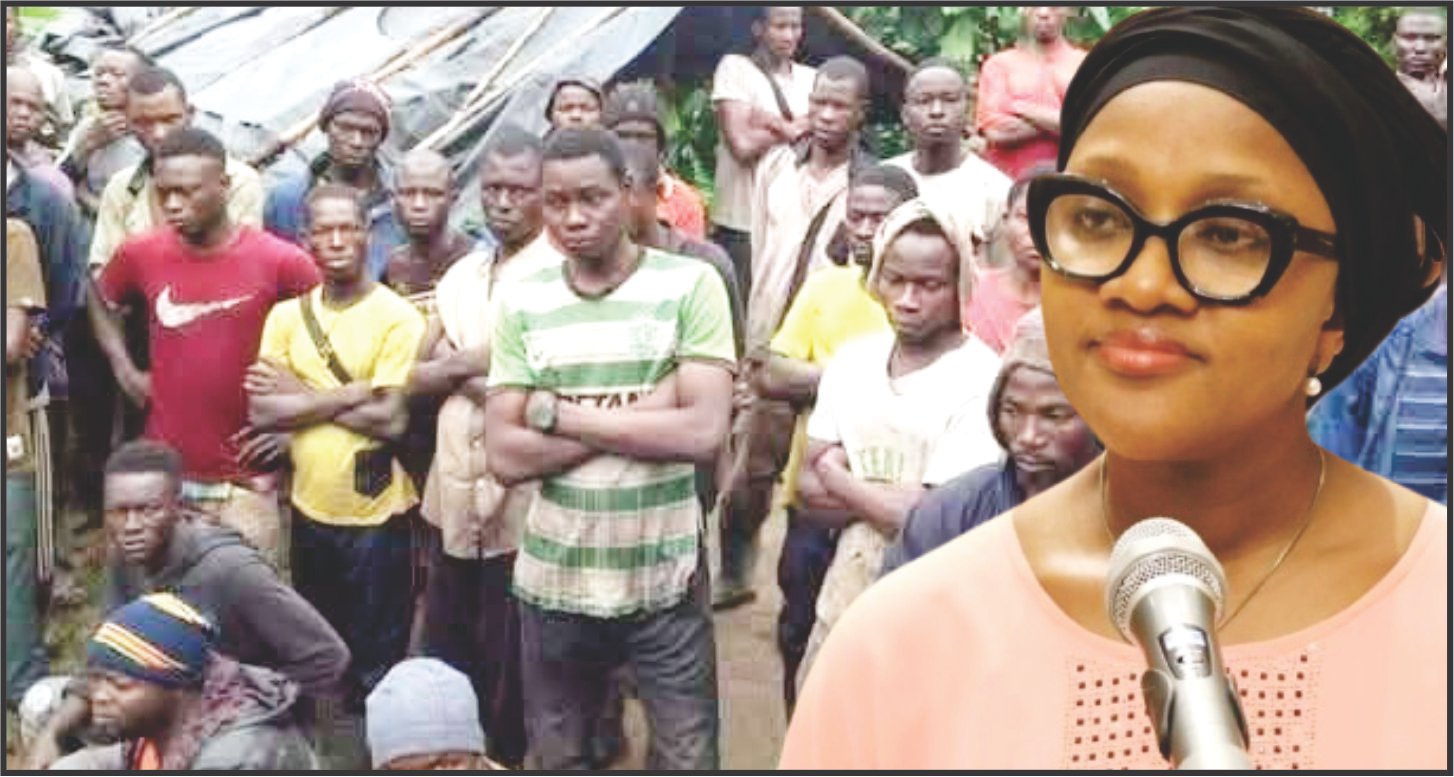
Presidential Press Secretary Kula Fofana has disclosed that approximately 140,000 Burkinabé nationals are currently residing in Liberia, describing the situation as a growing concern for the government and national security authorities.
Speaking on the issue, Fofana said the large number of Burkinabé nationals living across several counties, including Grand Gedeh and River Cess, has prompted the government to intensify efforts aimed at documenting and monitoring foreign residents in the country.
“There are around 140,000 of them. They are in Grand Gedeh, River Cess, and other parts of the country. It is alarming, and the President maintains that measures should be put in place to properly document them,” Fofana stated.
According to the Presidential Press Secretary, many of the Burkinabé nationals entered Liberia at the invitation of Liberian citizens seeking laborers for agricultural and other economic activities.
“It will interest you to know that some of those Burkinabés are coming on the invitation of Liberians. The cost of labor is cheaper, and the strength of those Burkinabés is higher. So, they are coming on the invitation of Liberians,” she explained.
Fofana noted that the Liberia Refugee Repatriation and Resettlement Commission (LRRRC) and the Liberia Immigration Service are collaborating to establish systems that will ensure the proper registration and documentation of the foreign nationals.
She further revealed that the majority of the Burkinabé nationals currently residing in Liberia are young people, a development she said requires urgent attention from policymakers and security institutions.
“The team at the LRRRC and the Immigration authorities are working to put in the necessary structures to document them. Majority of these Burkinabé are young people. It is a concern for the country. It is a concern for the President,” she emphasized.
The disclosure comes amid increasing public debate over the presence of foreign nationals in Liberia’s rural communities, particularly in areas with vast agricultural and forest resources. Government officials have not yet announced specific measures beyond the planned documentation exercise.
The situation remains a developing story as authorities continue assessments and consultations on how best to address the growing number of foreign nationals residing in the country.