


One of the defendants in the ongoing human trafficking trial in Criminal Court ‘A’ linked to a Q-Net-related business has denied allegations that complainants were confined, abused, or sexually assaulted, insisting they joined the business voluntarily and received the products they paid for.
Testifying before the resident Circuit Judge Willie Z. Willie on Tuesday, Jerome Genseh, an Independent Representative (IR) of the Infinity Millionaire Network Marketing Business, said he joined the company in 2024 after a friend introduced him to the business.
He told the court and jury that he paid US$900 in installments for a Bio Disc and olive product and later received training in leadership, personal development, and network marketing.
“I paid US$900, the products were given to me, and I was satisfied with them,” Genseh testified.
Rejecting the prosecution’s allegations, Genseh said the company’s office was not used to house people and denied that anyone was punished, assaulted, or raped there.
“No one was living in that office. No one was forced to drink water, left in the sun, threatened with knives or cutlasses, or raped,” he told the jury.
During cross-examination, prosecutors questioned Genseh about several complainants named in the indictment.
Asked about complainant Roselyn Zean, Genseh acknowledged meeting her during a business presentation and testified that she purchased a Bio Disc for US$890. Prosecutors immediately notified the court that they would present a rebuttal witness.
Genseh also denied allegations that he collected US$4,000 from complainant Emmanuel Sarpe or US$1,850 from Evelyn G. Sumo, prompting the prosecution to again announce plans to introduce rebuttal evidence.
The proceedings featured several objections from both the prosecution and defense.
In one ruling, the court sustained a defense objection after prosecutors asked Genseh whether he had deceived a complainant into paying money, ruling that the question would require the witness to incriminate himself. In other instances, the court overruled defense objections and allowed prosecutors to continue questioning the defendant about his dealings with individual complainants.
Genseh also testified that some complainants later removed personal belongings from defendants’ homes after the case began. He further claimed that, during preliminary proceedings before the Paynesville Magisterial Court, a government lawyer stated there was “no sufficient evidence” to support the case. That assertion remains part of the defendant’s testimony and has not been adopted as a finding by the court.
The Republic of Liberia has charged Genseh and several co-defendants with trafficking in persons, theft of property, and criminal conspiracy. All have pleaded not guilty.
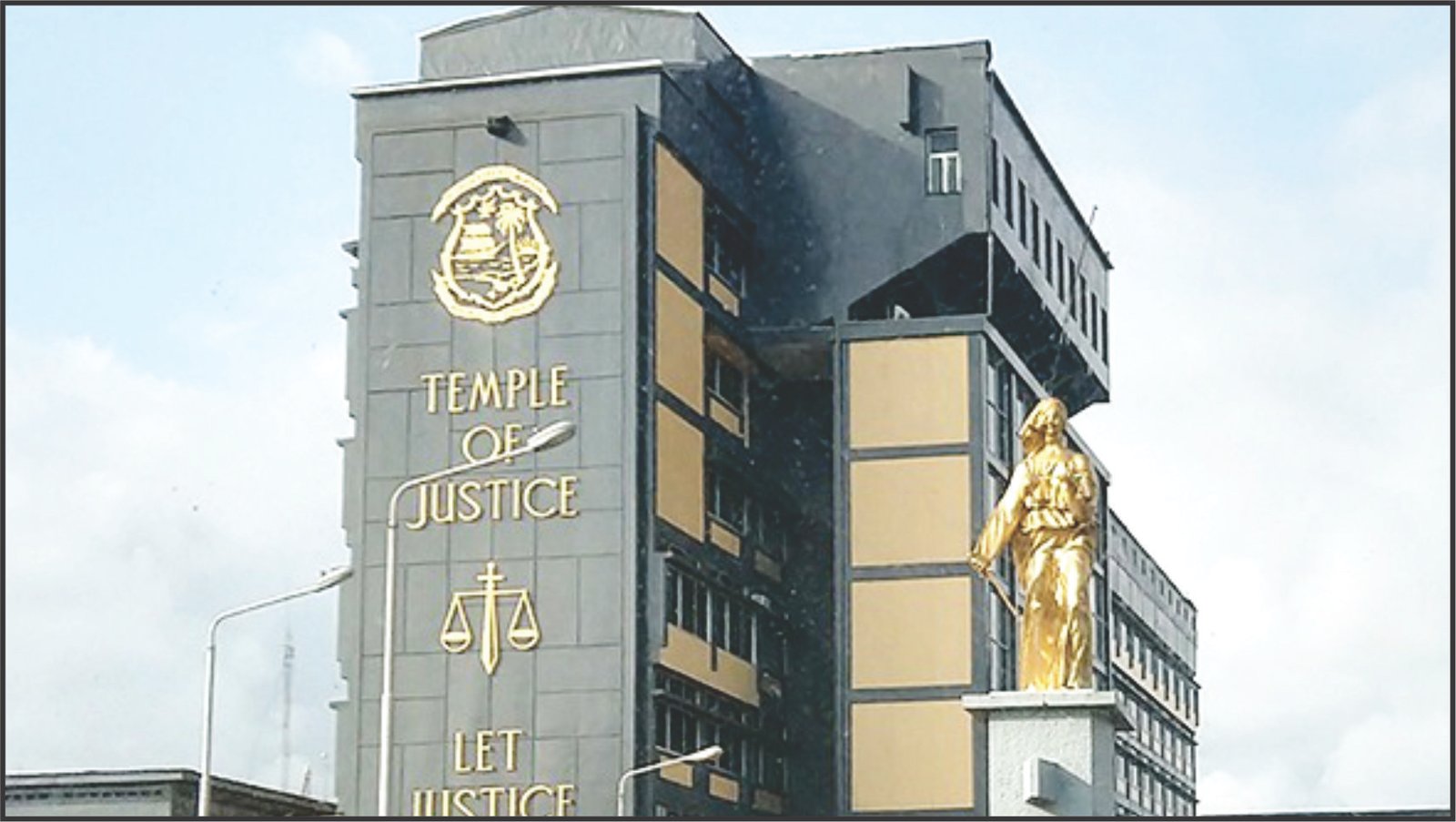
The trial continues before a jury at the Monrovia City Court.