


By Dr. Emmanuel King Urey Yarkpawolo
Executive Director/CEO, Environmental Protection Agency of Liberia
And Rafael Sarji Ngumbu
Director for Environmental Research and Radiation Safety at the Environmental Protection Agency of Liberia
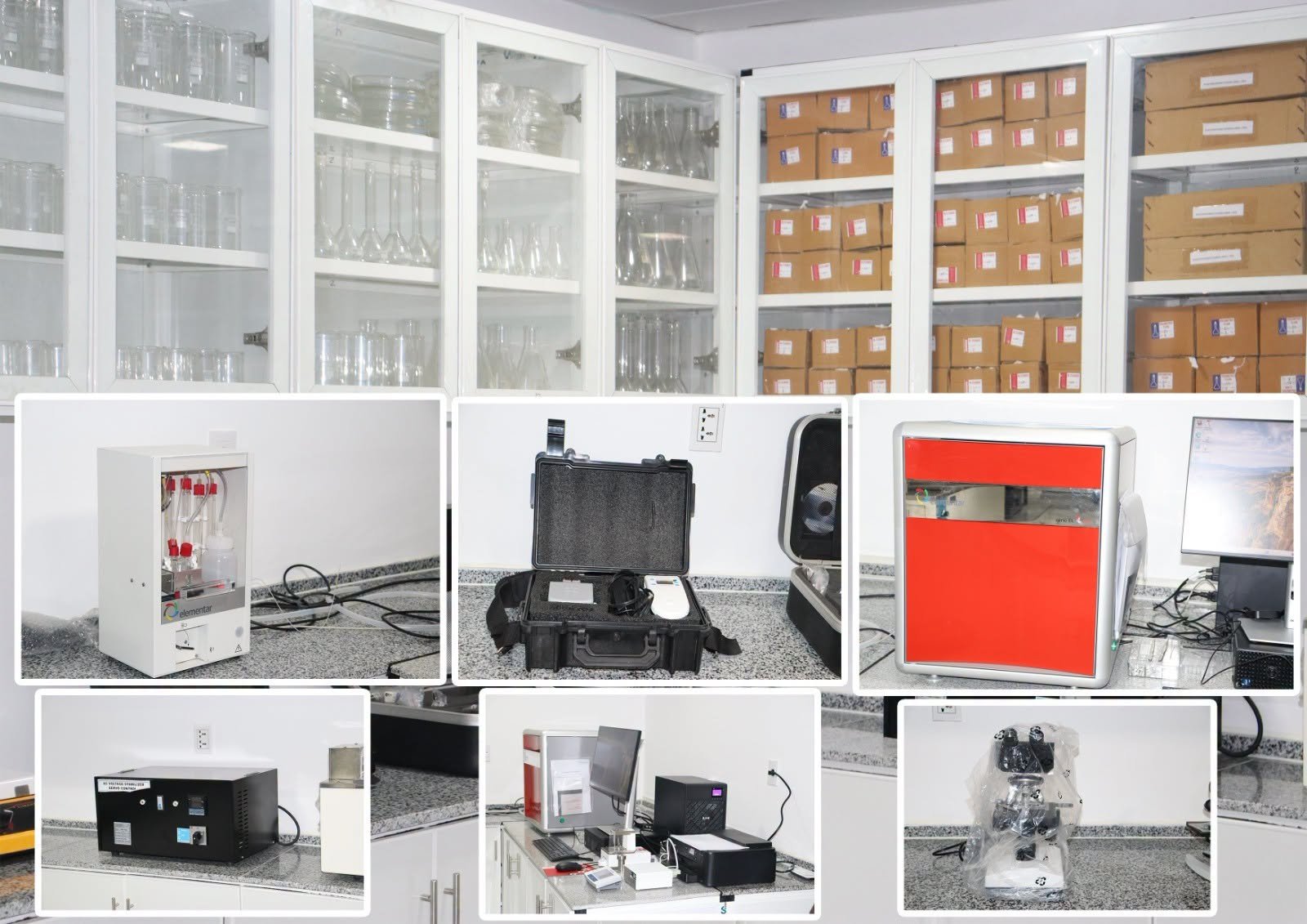
Liberia has received an important new piece of laboratory equipment known as an Elemental Analyzer, valued at approximately €100,000, with support from the International Atomic Energy Agency. This equipment has been installed at the Environmental Protection Agency’s laboratory and will help Liberia better understand and protect its soil, forests, mangroves, rivers, wetlands, farms, and other natural resources.
For many years, Liberia has had to send some environmental samples outside the country for testing. This process can be costly and may take a long time before results are received. With the Elemental Analyzer now available in Liberia, many important tests can be carried out locally. This will save time, reduce costs, strengthen the work of Liberian scientists, and help government make better decisions based on reliable information.
The equipment can tell us what is contained in soil, plants, sediments, waste, and other materials. It can measure important elements such as carbon and nitrogen, which are necessary for understanding soil health, plant growth, pollution, and the condition of the environment.
One of the greatest benefits of this equipment will be to Liberia’s farmers. To grow crops like rice, cassava, and vegetables, farmers need to know if their soil has the right nutrients. Nitrogen is one of the most important plant foods. With the new Elemental Analyzer, EPA experts can test local soil to see exactly what nutrients are missing. This information can help farmers use the right fertilizers, which leads to better harvests, cheaper food in the markets, and less hunger. Better knowledge of the soil can also lead to healthier crops, improved harvests, lower farming costs, and stronger food security.
This equipment is not just for soil; it can test water and sediments too. Nitrogen and carbon levels in our rivers and lakes can tell us if the water is polluted. By catching pollution early, we can protect our fishing communities, keep our drinking water safe, and stop harmful plants from growing in our waterways.
The equipment will also support Liberia’s work to protect forests. Liberia’s forests provide food, medicine, clean water, jobs, and income for thousands of families. They also absorb carbon from the air and help reduce the effects of climate change.
By testing soil and plant materials from forest areas, scientists can estimate how much carbon is stored in Liberia’s forests. This information is important because countries and international organizations are increasingly providing support to nations that protect forests and reduce deforestation. Reliable information can therefore help Liberia attract funding for forest conservation, community development, and sustainable livelihoods.
Liberia’s mangroves will also benefit from this new equipment. Mangroves protect coastal communities from strong waves, storms, flooding, and erosion. They are also breeding grounds for fish, crabs, oysters, and other marine life on which many families depend.
Mangrove soils store large amounts of carbon. The Elemental Analyzer will help Liberia measure this carbon and better understand the value of protecting mangrove areas. This can support coastal communities, strengthen fisheries, reduce climate risks, and help Liberia attract financing for mangrove restoration and protection.
The equipment will also improve the EPA’s ability to investigate pollution. When communities report concerns about mining, waste disposal, industrial activities, oil spills, or damage to rivers and farmland, the EPA needs scientific information to understand what has happened.
By examining soil, sediment, waste, and plant materials, the laboratory can provide evidence to support environmental investigations. This will help the EPA determine the condition of affected areas, identify changes in the environment, and require companies or individuals responsible for damage to take corrective action.
Mining communities can benefit from this improved capacity. Mining activities can disturb farmland, riverbanks, forests, and water bodies. The Elemental Analyzer can help scientists compare samples from mining areas with samples from unaffected areas. This will support better monitoring, land restoration, and protection of communities that depend on the land and water for their livelihoods.
The equipment will also be useful in managing waste. Liberia continues to face challenges with household waste, market waste, sewage sludge, agricultural waste, and other unwanted materials. Some of these materials can be turned into compost, fertilizer, or energy when properly handled.
The Elemental Analyzer can help determine the quality of compost and other reusable materials. This will support recycling, compost production, cleaner communities, and the creation of new businesses and jobs from waste.
Universities and students will also benefit. Liberia needs more trained scientists, laboratory technicians, agricultural specialists, environmental experts, marine scientists, and researchers. The availability of modern equipment within the country will give students and researchers opportunities to gain practical experience and conduct studies that respond directly to Liberia’s needs.
The EPA has already worked with Manchester Metropolitan University to study how much organic carbon is stored in Liberia’s mangroves. The results showed the great environmental value of these ecosystems. With the Elemental Analyzer now available, more of this research can be carried out in Liberia, with stronger participation by Liberian scientists and students.
This equipment will also support national planning. Government institutions need reliable information when making decisions about farming, forestry, mining, coastal protection, pollution control, land restoration, climate change, and development projects. Good information helps government avoid poor decisions and direct limited resources to areas where they are most needed.
The Elemental Analyzer is therefore not only for scientists working inside a laboratory. Its benefits can reach farmers trying to improve their harvests, fishing communities protecting mangroves, students seeking practical training, communities affected by pollution, and government institutions planning for Liberia’s future.
This investment is a major step toward making the EPA a stronger, science-based institution. It will help Liberia rely more on its own experts, produce its own environmental information, and make decisions based on facts gathered within the country.
As Liberia works to improve agriculture, protect forests, reduce pollution, address climate change, and create opportunities for young people, modern laboratory equipment will play an important role.
Owning this €100,000 Elemental Analyzer and having trained local technicians means Liberia is taking full control of its environmental future. It marks a move away from guessing and waiting, towards making fast, science-driven decisions that will protect public health, boost our agriculture, and secure a healthier, greener Liberia.