


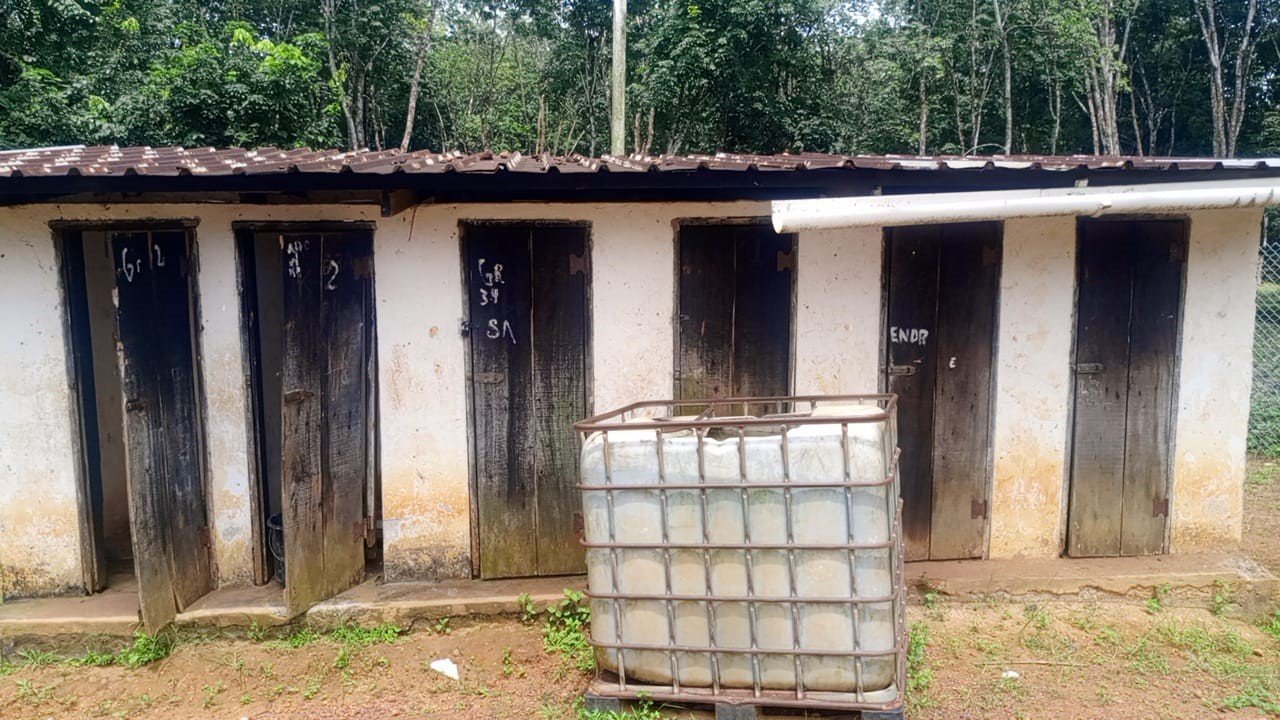
Concerns over living conditions at the Liberia Agricultural Company (LAC) have grown following the circulation of photographs and videos showing deteriorating workers’ housing, sparking fresh debate about the company’s responsibility to improve the welfare of its employees and surrounding communities.
The images, shared on social media by Liberian media specialist Garmondeh Wremongar Blojay Joe, showed aging camp houses in the Wallfall and Arrow communities. They quickly drew public attention, with many Liberians expressing concern over the conditions in which some plantation workers and their families are living.
The debate has also exposed differing opinions about LAC’s presence in Grand Bassa County. Many residents believe the company has benefited greatly from the county’s land and resources while giving too little back in terms of housing, roads, schools and other social services. Others argue that although challenges remain, the company has made noticeable investments in recent years and deserves credit for ongoing development projects.
Joe also raised concerns about the company’s school system, alleging that it is underfunded and lacks the attention needed to maintain quality learning facilities.
“I have been informed by individuals within the office that senior management has shown little concern for the wellbeing of these schools. I am also told that repeated requests from the school department to renovate the facilities have been rejected. I don’t hate anyone. I simply want the schools to be renovated. That is all,” Joe wrote.
To independently verify the claims, Verity News visited several communities within the LAC concession and interviewed workers, residents, community leaders and company officials.
The investigation found that concerns over workers’ housing are genuine. Many camp houses have deteriorated over the years and are in need of major repairs. Residents also complained about poor roads, inadequate drainage, seasonal flooding and limited public services in some communities.
The investigation also found challenges within the LAC school system. While some buildings require significant repairs, renovation work is currently underway ahead of the new academic year.
Reporters observed that the library and science laboratory have been refurbished, while painting, ceiling repairs and other maintenance work are ongoing. Company officials said the remaining renovation projects will be completed before schools reopen.
Despite the concerns, the investigation found evidence of recent improvements in several communities.
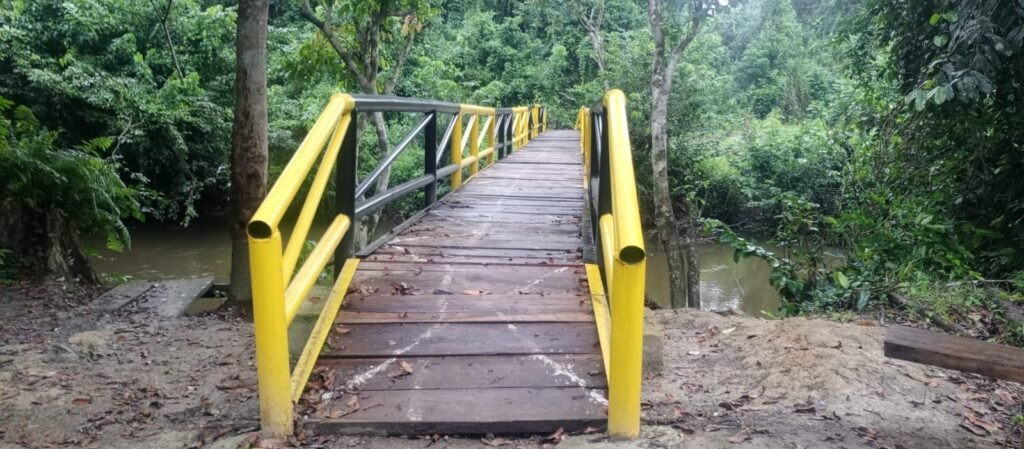
One of the most significant projects is a new footbridge in Joecy Gargar Town, which now connects communities that were often cut off during the rainy season.
Philip G. G. Gargar, a resident and son of the town’s founder, said people previously crossed the river by swimming or using makeshift wooden bridges.
“There was no safe crossing. During the rainy season, people were stranded and children could not get to school,” Gargar said.
He said the situation changed after LAC officials visited the area to inspect a damaged hand pump and witnessed the dangerous crossing.
“They promised to help us, and before long engineers arrived and built this bridge. It has changed our lives,” he said.
Residents said the bridge has made travel safer, improved access to nearby communities and reduced the number of school days children miss during the rainy season.
They also credited the company with repairing a damaged hand pump and installing solar-powered streetlights.
Residents Want More Action
While welcoming those developments, residents said much more needs to be done.
They are calling on the company to rehabilitate old workers’ camps, improve roads and drainage systems, expand electricity and continue investing in community infrastructure.
Many residents said development has reached some parts of the concession, but others continue to live in poor housing with limited access to basic services.
Management Responds
LAC management acknowledged that some workers’ housing has deteriorated and said rehabilitation remains one of the company’s priorities.
LAC management pointed to recent investments in bridges, water systems, solar lighting and other community projects, saying they form part of a broader effort to improve living conditions throughout the concession.
The company also said additional housing rehabilitation projects are planned.
On education, LAC said it continues to operate schools serving 7,592 students, including 348 children from neighboring communities who attend free of charge.
Head of Schools Abel Dennis said the company is committed to improving learning conditions for every child enrolled in its schools.
LAC General Manager Naveen Madan said the company remains committed to investing in education, housing and healthcare.
“The families who work on this plantation and the surrounding communities are part of our long-term commitment. We recognize that responsibility and will continue investing in these areas,” Madan said.
A Community Looking for Lasting Change
Residents say they appreciate the progress made in recent years but believe much more remains to be done.
For many workers and their families, the issue is not only about housing.
They say decent accommodation, quality schools, reliable roads, clean water and access to basic services are essential for improving life in one of Liberia’s largest agricultural concessions.
The Verity News investigation found that while serious challenges remain, particularly in workers’ housing and parts of the school system, rehabilitation efforts are underway.
Residents now hope those projects will be completed on schedule and followed by broader investments that improve the lives of workers and the communities that depend on the concession.