

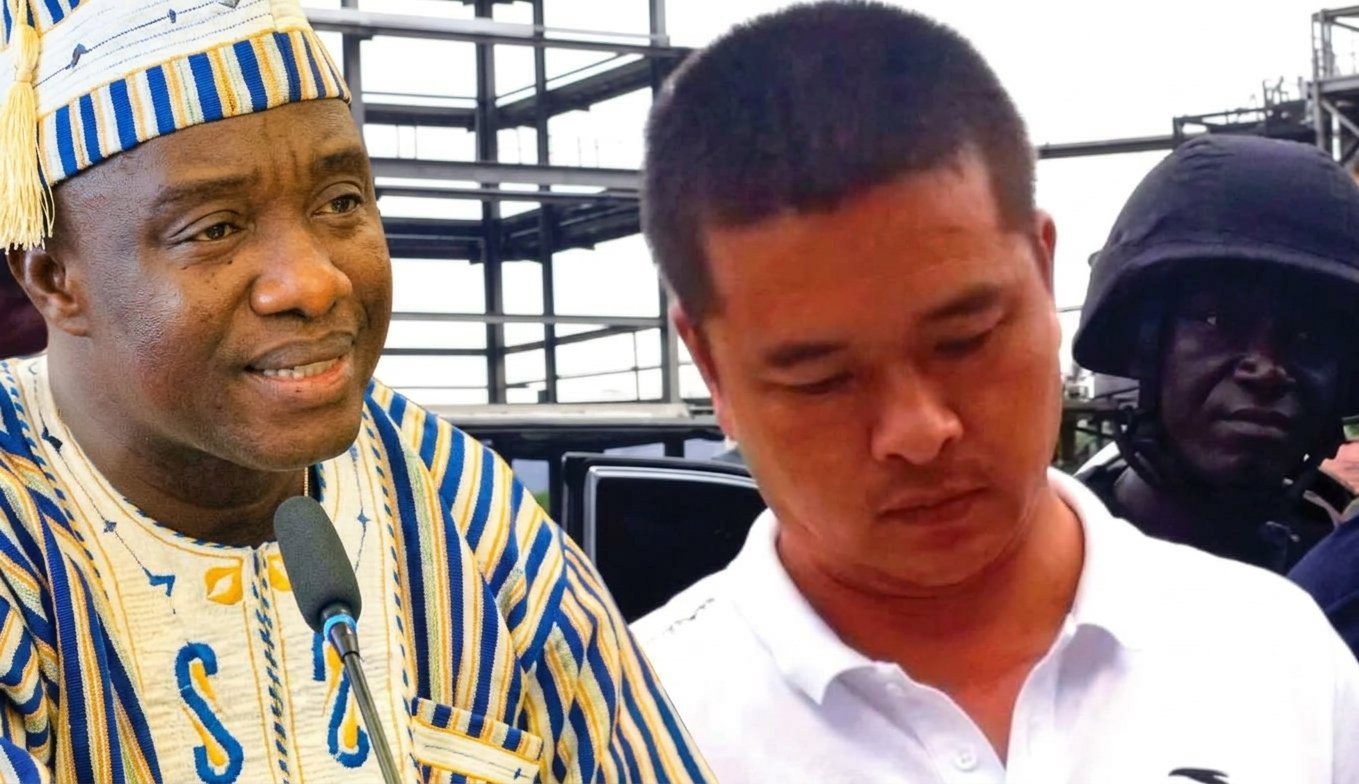
Bong County Senator Prince K. Moye says China Union must account for its performance before any renewal of its concession agreement is considered, vowing no one will shield them from their failed promises and obligations to citizens.
Moye warned that no individual or institution would be allowed to shield the company from scrutiny over its commitments to citizens, insisting that its record must be examined before discussions about extending the concession move forward.
“China Union is talking now about renewing their concession agreement. What have you done here before you want to extend?” Moye questioned, emphasizing the need to establish what the company has accomplished since entering Liberia.
The senator, who chairs the Bong County Legislative Caucus, disclosed that an emissary representing the company had contacted him regarding the concession renewal discussions.
“I told their messenger to get off my phone,” he said, adding that authorities were preparing to assess China Union’s contractual obligations and determine what it had accomplished.
“If anybody thinks that you will shield or hide China Union from doing what they are supposed to do for the citizens, you are daydreaming,” Moye warned.
China Union signed a 25-year concession agreement with the Liberian government in 2009 to develop and operate an iron ore project in Vengeleta, Bong County. The company entered Liberia in 2008 and reportedly announced an investment commitment of US$2.6 billion. Iron ore shipments began in 2014.
The mineral development agreement reportedly provided for a US$40 million cash bonus, royalties ranging from 3.25 to 4.5 percent, an income tax ceiling of 25 percent, and annual social contributions of US$3.5 million.
However, concerns have persisted over the company’s fulfillment of its commitments, including reported shortcomings in social investment, labor practices, and environmental protection.
Moye’s remarks place renewed attention on whether China Union has met the financial, employment, environmental, and community development obligations established under its concession agreement.
The proposed renewal could provide lawmakers and relevant government institutions an opportunity to examine the company’s compliance record, assess benefits delivered to affected communities, and determine whether outstanding obligations remain.
As discussions over the concession’s future emerge, questions remain about the company’s performance and what tangible benefits residents of Bong County have received from the iron ore project.