

Climate change is putting increasing pressure on Liberia’s coastal communities, agricultural production and public infrastructure, raising concerns about the safety and livelihoods of thousands of people who depend on farming, fishing and other climate-sensitive activities.
From coastal erosion and flooding to changing rainfall patterns and rising temperatures, the effects of a warming planet are creating challenges for communities already struggling with poor drainage, weak infrastructure and limited access to essential services.
For Liberia, a country that contributes relatively little to global greenhouse gas emissions, the challenge is particularly serious because many communities lack the resources needed to prepare for and recover from climate-related disasters.
Climate change refers to long-term shifts in temperatures and weather patterns. Although natural factors can influence the climate, the warming experienced in recent decades is largely driven by human activities, including the burning of fossil fuels and the destruction of forests.
These activities release greenhouse gases that trap heat in the atmosphere, causing global temperatures to rise.
Along Liberia’s coastline, rising sea levels increase the risk of flooding and erosion, threatening homes, roads, businesses and sources of income. Farming communities also face uncertainty as changing rainfall patterns, prolonged dry periods and heavy rains affect planting seasons and crop production.
Reduced harvests can leave farmers with less income while putting pressure on food supplies and prices. Flooding can also contaminate drinking water, damage roads and interrupt access to schools, health facilities and markets.
However, climate change is not the only factor behind every flood or case of coastal erosion. Poor drainage, unplanned construction, the destruction of wetlands and improper waste disposal can make the damage worse.
Environmental experts say addressing these local problems, alongside efforts to tackle global warming, is essential to protecting lives and property.
EPA Steps Up Climate Response
The Environmental Protection Agency (EPA) of Liberia, working with government institutions and development partners, is pursuing measures aimed at reducing environmental risks and helping communities prepare for climate-related threats.
Among the initiatives are coastal protection projects in Sinoe County and metropolitan Monrovia, intended to reduce the effects of coastal flooding and erosion and protect vulnerable communities and their livelihoods.
The Climate Information Systems project is also strengthening weather monitoring and early-warning services to help farmers, fishermen and other residents make better decisions when dangerous weather conditions are expected.
These services are particularly important in a country where many people depend on weather conditions for their daily activities and where timely warnings can help communities prepare before disasters strike.
The EPA is also working with the Monrovia City Corporation, the Liberia Water and Sewer Corporation and international partners on improved waste management.
One such initiative is a composting facility in Fiamah, designed to convert food scraps and other organic waste into compost for agricultural use. The approach offers an opportunity to reduce the amount of waste sent to disposal sites while producing material that can improve soil quality.
The agency has also conducted environmental inspections across Liberia’s 15 counties, covering mining operations, industrial facilities, coastal areas and waste-management sites.
Enforcement measures include ordering operators to correct violations, stopping illegal activities and imposing fines where warranted.
Protecting forests, wetlands, rivers and farmland remains important because these natural resources support livelihoods and help communities withstand environmental pressures.
Yakpawolo’s Message: Liberia Cannot Fight Climate Change Alone
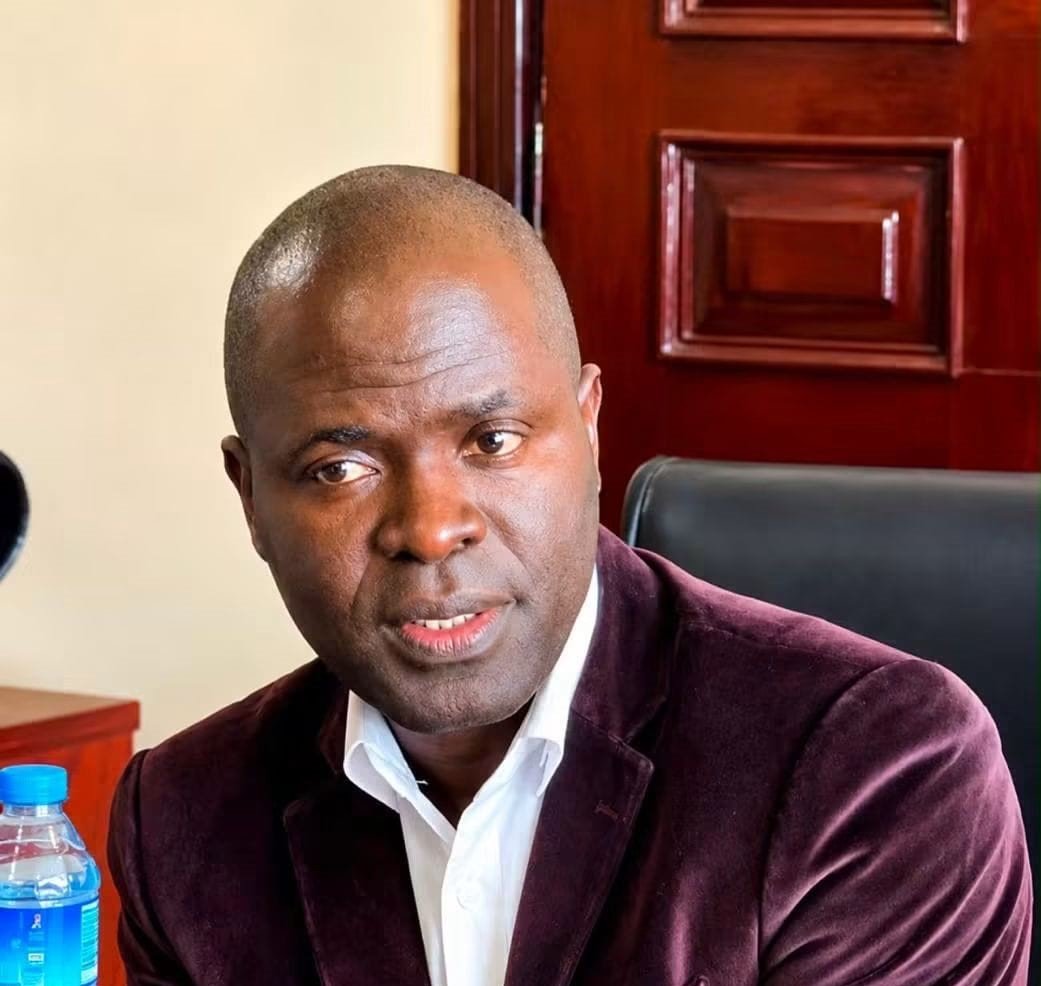
EPA Executive Director Dr. Urey Yakpawolo is expected to play a central role in communicating the country’s environmental priorities as Liberia works to strengthen its response to climate change.
Proposed quote for Dr. Yakpawolo’s approval:
“Climate change is not a distant problem for Liberia. It affects our communities, our farmers, our coastal towns and the livelihoods of ordinary people. We must protect our environment, enforce our environmental laws and prepare our communities for the changes we are already experiencing. But Liberia cannot do this alone. We need the support of our international partners, particularly the countries and industries that have contributed most to global emissions.”
Note: This is a proposed statement, not a verified direct quotation from Dr. Yakpawolo. It should be approved by him or the EPA before publication.
Liberia Calls for Fair Climate Financing
Despite its limited contribution to global emissions, Liberia faces substantial costs in preparing for climate impacts. Coastal protection, drainage improvements, reliable weather services and environmental monitoring require sustained funding, equipment, trained personnel and regular maintenance.
The country also needs affordable alternatives for households and businesses whose activities contribute to environmental degradation.
At the international level, Liberia and other climate-vulnerable countries have called for greater support from wealthier nations that have contributed most to the accumulation of greenhouse gases over time.
Under the Paris Agreement, developed countries have commitments relating to financial support for developing countries’ climate action. For Liberia, accessible funding, appropriate technology and technical training could help strengthen disaster preparedness, protect vulnerable communities and support cleaner development.
Support is also needed for communities suffering losses that cannot be prevented, including destroyed homes, damaged farmland and lost livelihoods.
For a country that contributes relatively little to the global climate problem but faces serious risks from its effects, the issue is not only environmental. It is also a question of fairness and economic survival.
Citizens and Businesses Have a Role to Play
While international support is important, environmental protection also depends on what happens within Liberia.
Residents can help reduce local flood risks by keeping rubbish out of drains and waterways, avoiding the burning of waste, protecting wetlands and reporting pollution. Communities should also take official weather warnings seriously and work with local authorities to prepare for emergencies.
Businesses must comply with environmental regulations, manage waste properly and take steps to prevent pollution and damage to surrounding communities.
Schools, churches, mosques, traditional leaders and the media can help people understand climate change by explaining its effects in simple language and local languages.
Communities should also have a voice in decisions about projects that affect their homes, land and livelihoods.
Climate change cannot be stopped overnight, but its effects can be reduced through better planning, stronger environmental enforcement, cleaner energy, forest protection and investment in infrastructure that can withstand extreme weather.
For Liberia, the task is to protect people and natural resources while building an economy that can withstand future environmental shocks.
The government, citizens, businesses and international partners all have responsibilities in that effort. Without sustained action and adequate resources, the cost of climate change could fall most heavily on the people least able to afford it.