


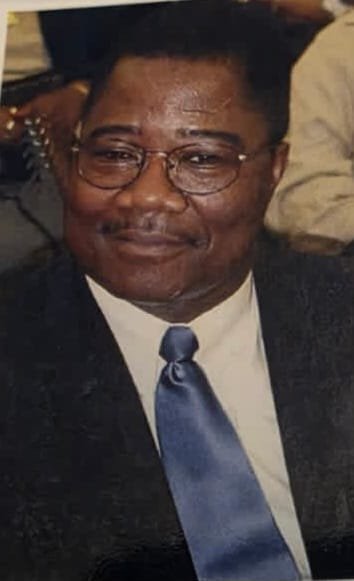
By: Archie Boan
A prominent voice from the Liberian diaspora is raising the alarm over the future of the Putu Mountain concession, warning that failure to adopt an inclusive and well-informed approach could sideline the very people the project is meant to benefit.
Former National President of the Grand Gedeh Association in the Americas (GGAA), Henry Kohn Glay, has called for what he describes as a “holistic approach” to the exploration and potential development of Putu Mountain one that fully integrates the voices, interests, and welfare of Grand Gedeans at home and abroad.
In a strongly worded statement, Glay stressed that all stakeholders from local leaders and women’s groups to diaspora organizations must be actively engaged from the earliest stages of identifying investment opportunities.
According to him, broad-based participation is critical to ensuring that the county’s natural resources translate into tangible benefits for its citizens.
“Grand Gedeans must not be passive observers,” Glay warned. “We must critically examine past mining concessions to guide a more prudent and beneficial outcome for our people.”
He proposed the establishment of a multi-sectoral committee tasked with conducting a comprehensive analysis of the concession. This body, he said, should assess the full scope of the mountain’s mineral potential, estimate its economic value, and evaluate the social and environmental implications for affected communities.
Glay further urged that the process be grounded in transparency and grassroots engagement, recommending a series of town hall meetings to gather input and build consensus among citizens.
The former GGAA leader also pointed to the importance of presenting a unified and informed position when engaging national authorities, including Vice President Jeremiah Kpan Koung, who chairs the Putu Mountain concession initiative.
He argued that only through coordinated consultation can Grand Gedeh effectively advocate for its interests at the national level.
Beyond policy and economics, Glay highlighted the broader stakes: trust, unity, and sustainable development. He cautioned that without inclusivity, the project risks fueling mistrust, division, and long-standing grievances tied to resource exploitation in Liberia.
“A holistic approach will reduce apprehensions and foster an environment where diverse perspectives are respected,” he noted. “This is about securing a future that benefits every Grand Gedean and strengthens the nation as a whole.”