

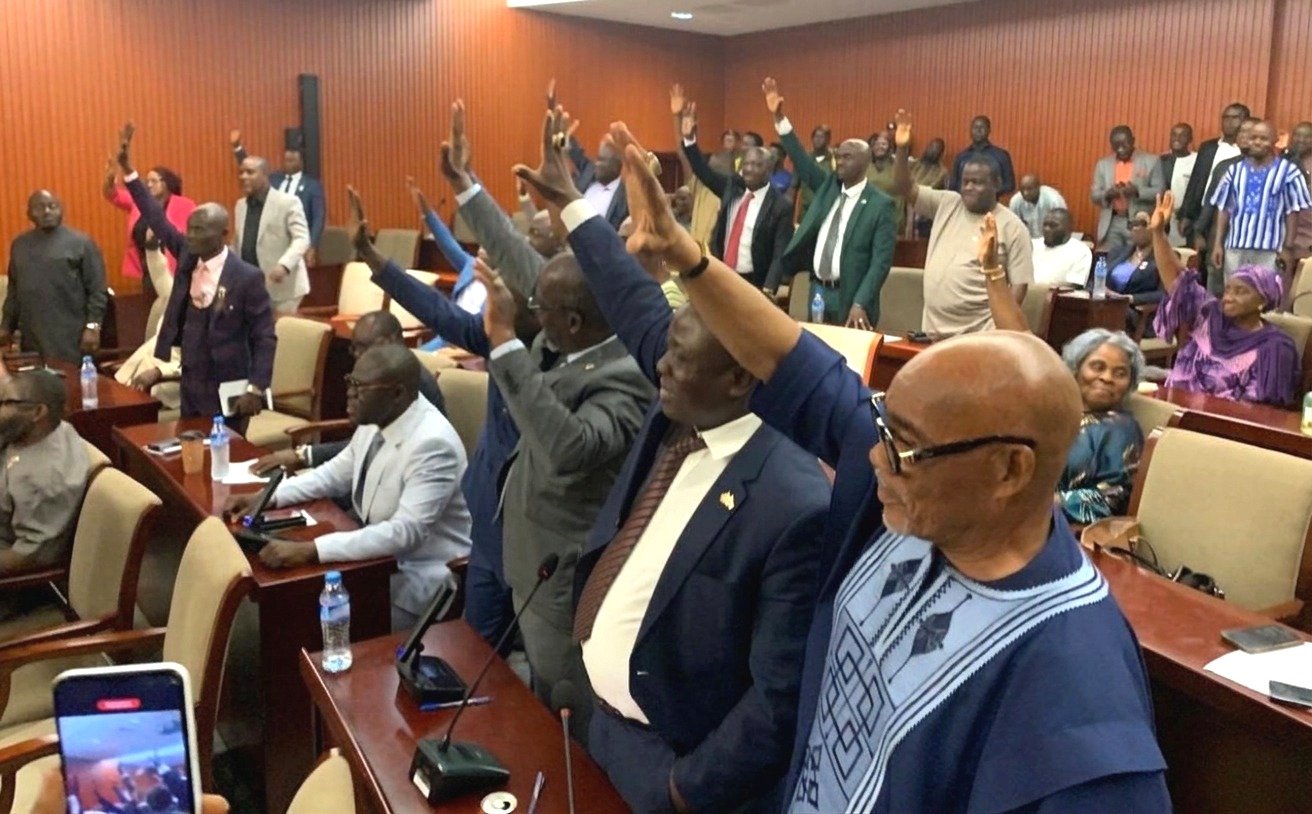
While poverty and unemployment remain major challenges across Liberia, the Legislature is poised to benefit from a whopping US$58.2 million allocation in the FY2027 draft budget.
An analysis of the Legislature’s expenditure report, titled Summary by Major Object of Expenditure, shows that the institution was allocated US$57.18 million in the FY2026 Approved Budget. However, its reported expenditure had already reached US$64.26 million as of September 30, 2026.
The figures indicate that the Legislature exceeded its approved annual allocation by approximately US$7.08 million, representing about 12.4 percent above the amount initially approved, with three months remaining in the fiscal year.
Despite this spending pattern, the FY2027 Draft Budget proposes another US$58.2 million for the Legislature, representing an increase of approximately US$1.02 million over its FY2026 approved allocation.
A closer examination of the expenditure categories raises additional questions about spending priorities and budget management.
Grants recorded one of the most significant increases, rising from an approved allocation of US$6.02 million in FY2026 to reported expenditure of US$15.43 million by September 30. This means expenditure under that category was already more than twice the approved amount.
Similarly, spending on goods and services reached US$19.42 million against an approved allocation of US$18.72 million, while compensation for employees stood at US$24.47 million against an approved US$25.79 million.
The proposed FY2027 budget also increases compensation for employees to US$27.09 million and goods and services to US$24.32 million.
These figures raise important questions about the Legislature’s financial management, particularly the reasons behind the substantial increase in grant expenditure and how the institution justified spending beyond its approved budget.
While the report does not establish whether the additional expenditure received supplementary legislative approval, it places the need for greater public scrutiny on the institution’s financial operations.
At a time when ordinary citizens continue to demand better roads, affordable healthcare, quality education, employment opportunities, and improved living conditions, the proposed allocation raises questions about whether public spending is adequately balanced with the country’s pressing development needs.
The Legislature is constitutionally mandated to provide oversight over public spending and hold government institutions accountable. However, its own expenditure record makes transparency and accountability equally important within the institution.
The public deserves answers: What accounted for the additional US$7.08 million spent above the FY2026 approved allocation? How much of the reported expenditure went toward direct legislative operations, administrative costs, and grants? And what measures will ensure that the proposed FY2027 allocation is properly managed?
For an institution expected to scrutinize the use of taxpayers’ money, its own financial records should withstand the highest level of public scrutiny.