

The Law Reform Commission (LRC) has intensified consultations on Liberia’s electoral laws, engaging a visiting United Nations electoral expert, the National Elections Commission (NEC), and the UNDP Liberia Electoral Support Project (LESP) as part of efforts to advance reforms ahead of the 2029 General Elections.
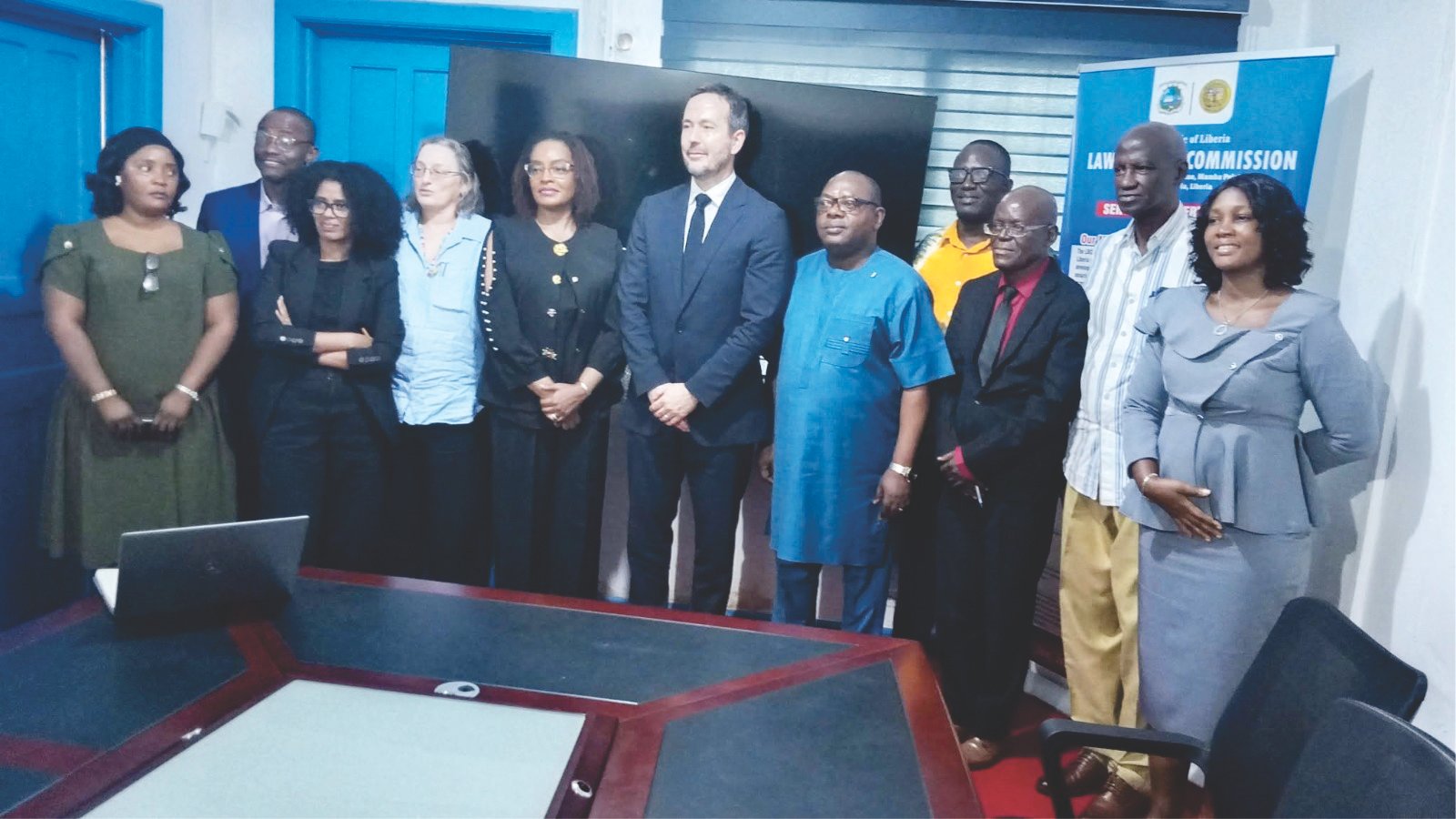
The high-level consultation was held Wednesday, September 30, 2026, at the LRC’s offices in Mamba Point, Monrovia.
The meeting brought together UN Senior Electoral Affairs Officer Maarten Halff; UNDP/LESP Chief Technical Advisor Katherine Green and her team; NEC Commissioners Boakai A. Dukuly and Cllr. Earnestine Morgan Awar; and technical staff from the participating institutions.
In his opening remarks, LRC Chairman Cllr. Varmah said electoral reform remains critical to strengthening Liberia’s democracy, noting that the process has benefited from discussions with UNDP-Liberia, the European Union, civil society organizations, and the Office of the President.
Cllr. Varmah disclosed that President Joseph Nyumah Boakai has expressed concern over the pace of the reform process and instructed the LRC to work toward concluding the exercise well ahead of the 2029 elections.
The reform discussions are focusing on several key areas, including voter registration, campaign financing, electoral dispute resolution, and women’s representation or quota in the National Legislature.
Halff, the visiting UN electoral expert, welcomed the opportunity to return to Liberia and reaffirmed his commitment to working with the LRC, NEC, Legislature, and civil society organizations to strengthen the country’s electoral framework.
He said he would share experiences and lessons from other countries to inform Liberia’s reform process.
Halff also expressed optimism about continued engagement on electoral issues, particularly efforts to increase women’s representation in the Legislature following the 2029 General Elections.
The UN electoral expert is in Liberia at the invitation of UNDP-Liberia and UN Women Liberia.
The LRC says the ongoing consultations are intended to promote dialogue among key stakeholders and contribute to the development of a stronger and more comprehensive electoral legal framework.
A validation exercise planned for October 2026 is expected to bring together and harmonize inputs from state institutions, political parties and stakeholders, civil society organizations, and international partners as the reform process moves toward a comprehensive electoral legal framework.
With the 2029 elections still ahead, the LRC is seeking to complete the reform process early enough to allow stakeholders and electoral authorities adequate time to prepare for implementation.