


By G. Watson Richards
The Women NGOs Secretariat of Liberia has called on the Liberian government to accelerate efforts to establish a long-delayed War and Economic Crimes Court alongside a National Anti-Corruption Court, warning that continued setbacks risk undermining justice and public trust.
In a statement issued Saturday, the organization expressed concern over reported internal obstacles affecting progress within the Office for the Establishment of the War and Economic Crimes Court for Liberia.
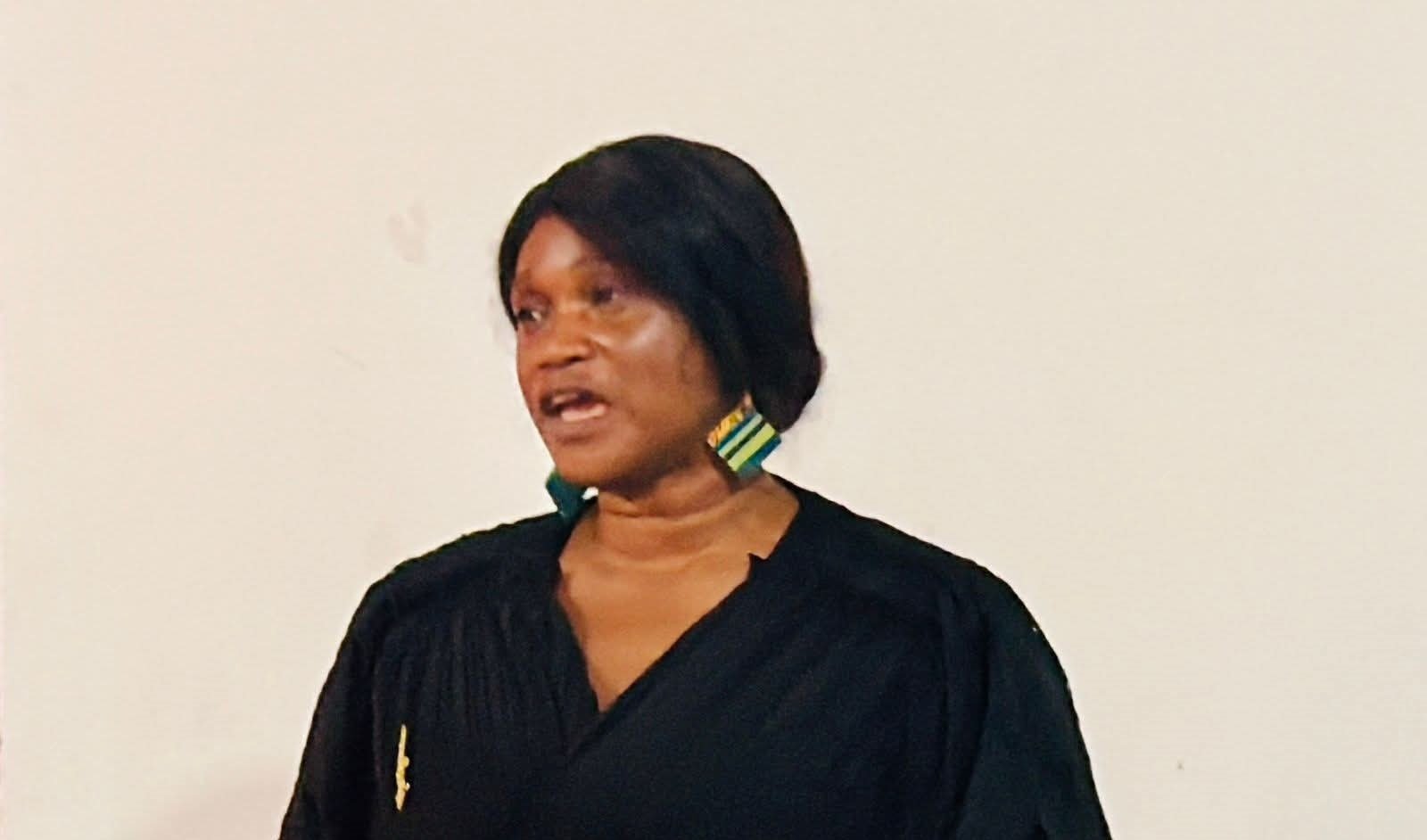
The group cited recent remarks by its executive director, Jallah A. Barbu, suggesting that elements within government are slowing the process.
“Any delay, whether through inaction, administrative bottlenecks, or political obstruction, raises serious concerns about Liberia’s commitment to justice, accountability, and the rule of law,” WONGOSOL said.
The push for accountability mechanisms follows executive orders issued by Joseph Nyuma Boakai Sr., which laid the groundwork for the courts. However, nearly two years after the initial directive, the institutions remain non-operational.
WONGOSOL acknowledged progress made so far, including draft legislation and stakeholder consultations, but stressed that decisive action from the executive branch is now critical. “What remains is decisive and time-bound action,” the statement noted, urging authorities to submit the draft bills to the legislature without delay.
The organization warned that continued inaction could signal weak political will and hinder Liberia’s obligations under both domestic and international frameworks, including recommendations from the Truth and Reconciliation Commission and commitments to global human rights conventions.
“Such obstruction, whether deliberate or resulting from insufficient political will, undermines justice and contradicts the responsibility of public officials to act in the best interest of the Liberian people,” WONGOSOL stated.
The group emphasized that the establishment of the courts is essential not only for addressing past war crimes but also for tackling ongoing corruption. It highlighted the disproportionate impact of conflict and corruption on women, calling for their continued inclusion in justice and reconciliation processes.
“Justice for victims, particularly women and girls, must not be compromised,” the statement added. “This is a constitutional duty, an international and regional obligation, and a moral imperative.”
Liberia’s planned courts are seen as a key step toward accountability for crimes committed during its civil wars, as well as strengthening anti-corruption enforcement in the present day. Observers say their establishment could mark a defining moment for the country’s democratic and legal institutions.
WONGOSOL reaffirmed its support for OWECC-L and urged the WONGOgovernment to act swiftly, concluding: “The time to act is now.”