


By Patrick Teah Jr.
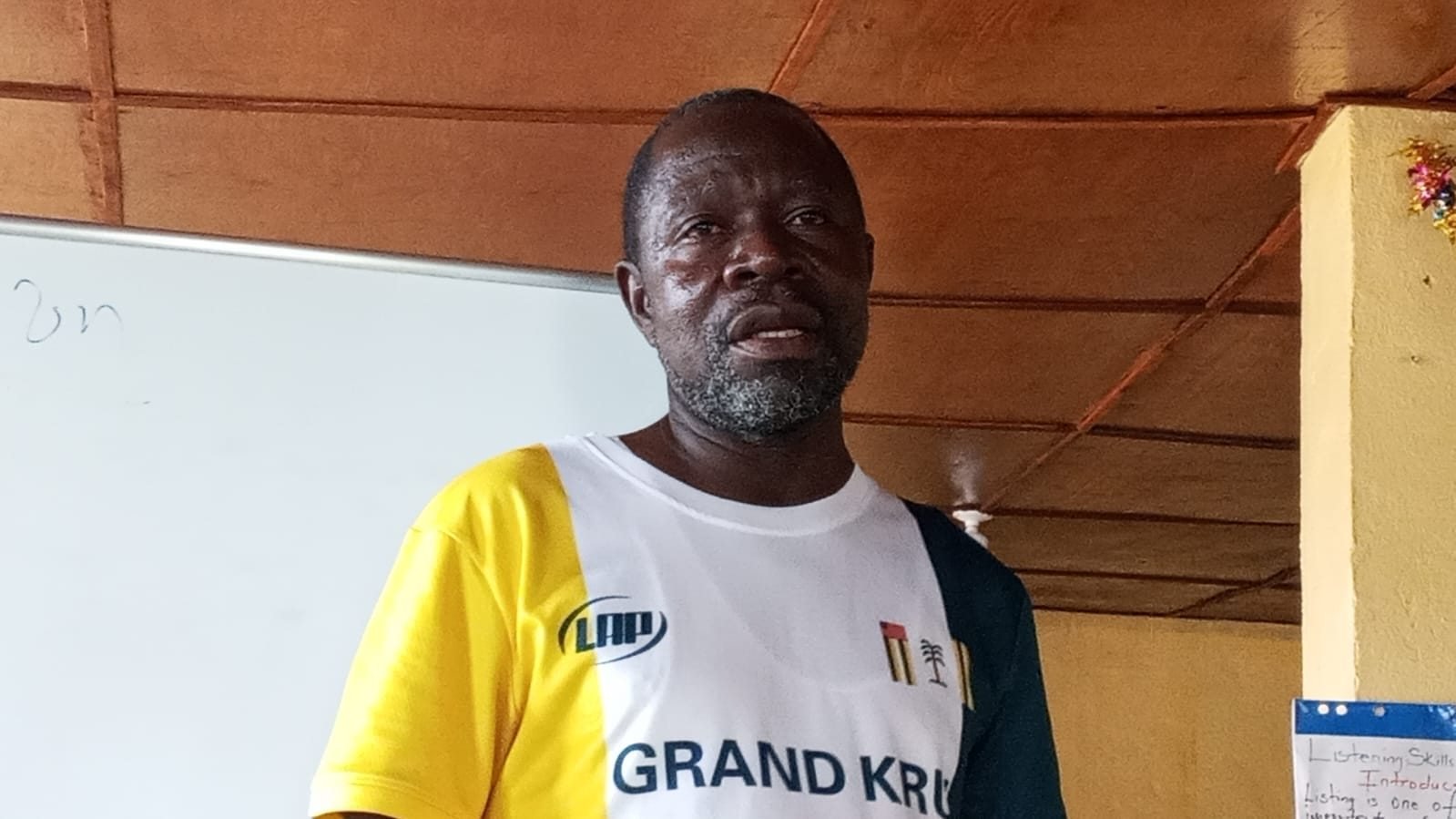
The County Development Officer of Grand Kru County, Hon. Joe M. Sekpeh, has graded the Unity Party-led government of President Joseph Nyuma Boakai and Vice President Jeremiah Kpan Koung as “excellent,” citing what he described as visible infrastructure development and ongoing government projects across the county.
Speaking to journalists on June 3, 2026, in the conference room of the County Administrative Building in Barclayville, Sekpeh said the Boakai administration is performing excellently and making significant progress in infrastructure development.
According to him, the government has demonstrated commitment to road connectivity, particularly highlighting the Barclayville-to-Pleebo road corridor, which he said is being paved to improve transportation and access within the southeastern region.
The Grand Kru County Development Officer further named several ongoing and planned infrastructure projects, including the construction of a prison compound, a sports stadium, and the deployment of fifteen pieces of yellow machines expected to support development activities in the county.
Sekpeh maintained that these projects are clear indications that the current administration is delivering on its development agenda.
However, when asked by journalists to compare the performance of the Boakai administration with that of former President George Manneh Weah’s government, Sekpeh declined to provide a direct rating of the previous administration.
“I am not a spokesperson for the Weah-led government,” he stated.
Sekpeh’s comments come against the backdrop of his long service in county development leadership. He served as Development Superintendent during the final six years of the administration of former President Ellen Johnson Sirleaf and continued in a similar capacity under the Weah administration before the position was restructured and renamed County Development Officer under the current government.
Having served under three successive administrations, Sekpeh is among a few county officials with extensive experience in local development management and implementation.
His assessment of the Boakai-Koung administration is likely to generate political discussion, particularly as citizens and stakeholders continue to evaluate the government’s performance based on infrastructure delivery and other development indicators.